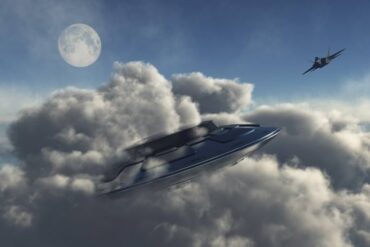
The British skies may be holding secrets far beyond our understanding—secrets that even seasoned Royal Air Force (RAF) pilots are afraid to speak of. A growing number of military aviators have allegedly encountered unidentified aerial phenomena (UAPs) during flight missions, yet a wall of silence has descended across the RAF, driven by fear of career-ending consequences.
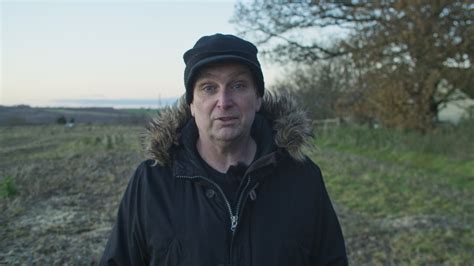
Documentary filmmaker Mark Christopher Lee, known for his deep dives into the world of UFO phenomena, has emerged as a crucial intermediary. According to Lee, multiple British military pilots have come forward off the record, revealing startling experiences with mysterious crafts defying conventional explanations. Despite the extraordinary nature of these claims, the pilots refuse to go public, terrified of the professional and personal fallout.
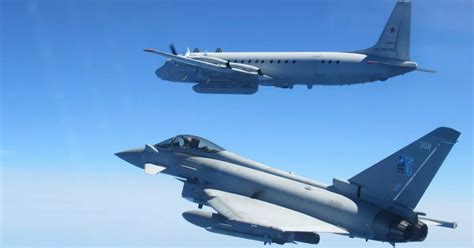
Chilling Silence in the Skies: Why RAF Pilots Are Staying Quiet
Lee’s revelations paint a disturbing picture of institutional suppression. He asserts that military whistleblowers fear not only demotion or termination but even legal consequences for breaking ranks. “They fear the consequences if they were to go on the record. Will they be fired, ridiculed, demoted—even prosecuted—for speaking out? These are their fears,” Lee explained in an interview with the Daily Star.
It’s not just pilots. Lee claims that this culture of silence pervades the broader defense and law enforcement communities. Police officers and ground-based military personnel who have witnessed strange aerial events also refuse to speak publicly, burdened by concerns over reputational damage and repercussions for their families. In Lee’s words: “What will happen to their families?” This chilling question underscores the personal stakes involved.
The lack of open testimony makes it exceedingly difficult to validate or investigate these occurrences. Without names, ranks, or flight logs, any formal inquiry is stalled. “Unless someone goes on the record, puts their name—and potentially rank—to an event, it is impossible to judge and difficult to properly investigate,” Lee laments.
Classified Encounters and Institutional Secrecy
The RAF has, as of yet, issued no formal response to the allegations. This silence is telling and has fueled suspicions that information about these encounters is being deliberately suppressed. The British public, Lee insists, is being “kept in the dark.” If true, this institutional gatekeeping might not merely be about protecting national security—it may also be about preserving a status quo that cannot accommodate the reality of non-human intelligence or unexplained technologies.
The filmmaker’s claims add to a growing body of international testimony suggesting that military aviators worldwide are encountering something extraordinary in our skies. The UK, long considered one of the world’s most secretive nations on matters of defense intelligence, may be sitting on a trove of unexplored and unexplained data.
RAF UFO Encounters: What Might Pilots Be Seeing?
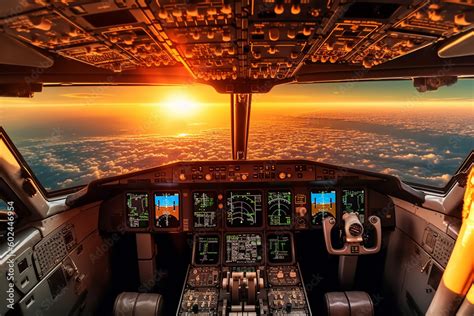
While specific details remain under wraps, Lee’s conversations with pilots hint at encounters involving high-speed maneuvers, abrupt directional changes, and technology that outpaces modern aircraft capabilities. These descriptions echo reports from U.S. Navy pilots and other international forces who have recorded and reported similar phenomena.
According to various unconfirmed accounts, UAPs often:
- Appear suddenly and vanish without a trace
- Exhibit no visible propulsion systems or wings
- Fly at hypersonic speeds, with abrupt changes in direction
- Interfere with onboard navigation and radar systems
Such capabilities, if real, defy known aeronautical science and could represent either advanced terrestrial technology—likely classified—or technology of non-human origin. Either possibility is profound in its implications.
The Mental Toll: Fear, Stress, and Silence
For many pilots, these encounters are not just awe-inspiring—they’re psychologically harrowing. Being in control of a high-speed jet and facing an object you cannot comprehend can provoke deep existential and operational fears. Worse yet, the inability to discuss the event, even with superiors, adds a layer of emotional suppression that can linger.
Former service members who have broken ranks in other countries have spoken of being forced to undergo psychological evaluations, implying that acknowledgment of such encounters is considered a sign of mental instability. It’s no wonder that British pilots are wary.
The UK’s Long History of UFO Cover-Ups
The RAF’s reported secrecy fits into a broader historical pattern. The UK Ministry of Defence (MoD) maintained a UFO desk for decades, quietly collecting thousands of reports from civilians, air traffic controllers, and military personnel. Yet the MoD concluded that none of the reported phenomena posed a national security threat, and therefore no further investigation was warranted.
That conclusion, however, is increasingly under scrutiny. Critics argue that the real reason for closing the desk was plausible deniability and damage control, not a genuine lack of interest or evidence. The fact that RAF pilots are now encountering these phenomena suggests that whatever was out there never left—only the investigation did.
A Call for Transparency and Reform
Lee’s documentary efforts aim to pierce the veil of secrecy, but his work alone cannot force change. There needs to be a structured channel through which military personnel can report UAP sightings without fear of retaliation. This includes establishing:
- Confidential reporting systems
- Legal protections for whistleblowers
- Independent scientific investigation teams
- Parliamentary oversight and transparency mandates
Only with such mechanisms in place can the UK begin to address the UAP phenomenon with the seriousness it demands. Without them, valuable data will continue to be buried under fear and bureaucracy.
What Comes Next for the RAF and Public Awareness?
The pressure is mounting. The United States has already taken unprecedented steps toward disclosure, with Congressional hearings, declassified footage, and whistleblower protections for defense personnel. The UK risks falling behind—not just technologically, but in terms of public trust and transparency.
British citizens deserve to know whether their skies are being shared with unknown intelligences or foreign powers wielding cutting-edge aerospace technology. The stakes are too high for continued silence. As Lee puts it, “Information about extraordinary events is being withheld from them.” This is no longer acceptable.
RAF pilots are among the most highly trained individuals in the world. Their testimonies, if ever made public, would carry immense weight. But without systemic change, their voices will remain silenced. The UK government must decide: continue hiding behind a wall of secrecy, or step forward into an uncertain but truthful dialogue with its people.
The skies are watching. And perhaps, something else is watching back.