The allure of affordable drones with professional-sounding specs like “4K camera”, “intelligent flight modes”, and “military-grade technology” is almost irresistible—especially when you’re scrolling through Amazon or a TikTok ad that makes it look like you’re buying the aerial eye of a Hollywood film crew for the price of dinner. That’s the hook that reeled in many buyers of the Stealth Bird 4K, a drone that promises cinematic flights at a budget price. But does it deliver? The short answer is no. The long answer is a cautionary tale for drone enthusiasts and newcomers alike.
The Temptation of the Stealth Bird 4K
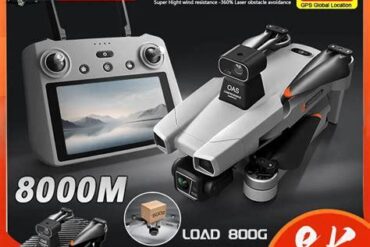
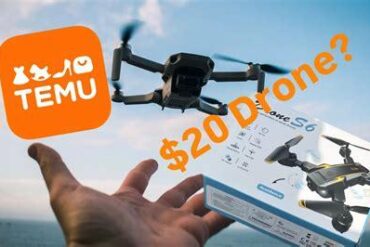
Let’s not sugarcoat it—the marketing for the Stealth Bird 4K is slick. Phrases like “next-generation drone technology” and “precision engineering” pepper the product description, alongside heavily filtered photos and vague claims of performance. The $100-$150 price tag sounds like a steal when paired with the promise of 4K video, GPS tracking, and stable flight in windy conditions. But under the hood, what you get is closer to a Temu-tier toy than a serious aerial camera.
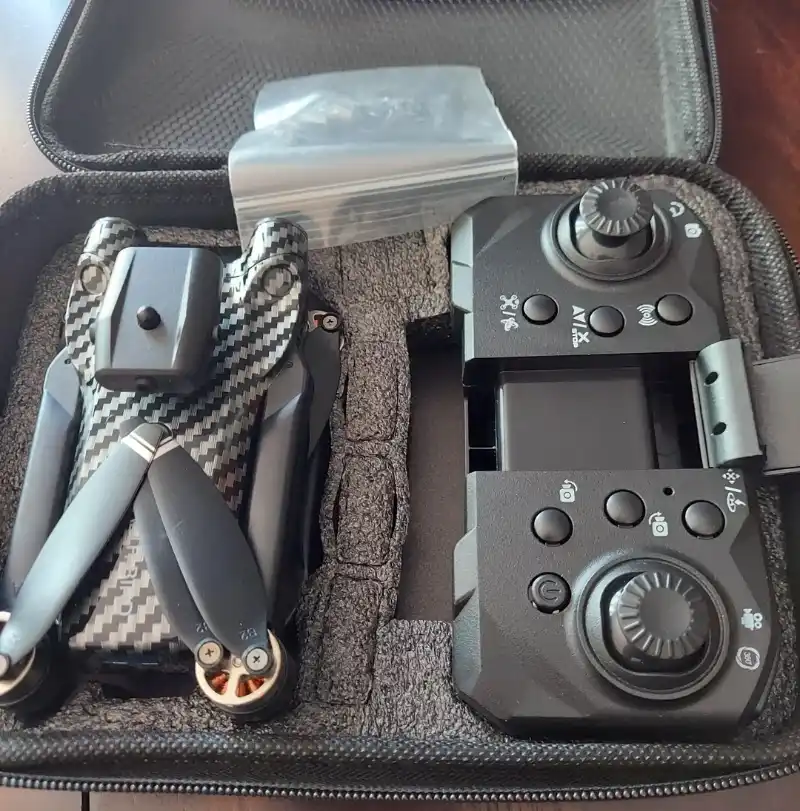
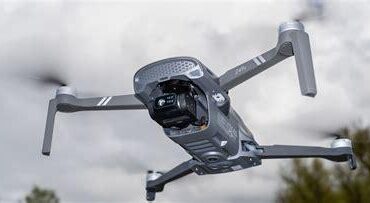
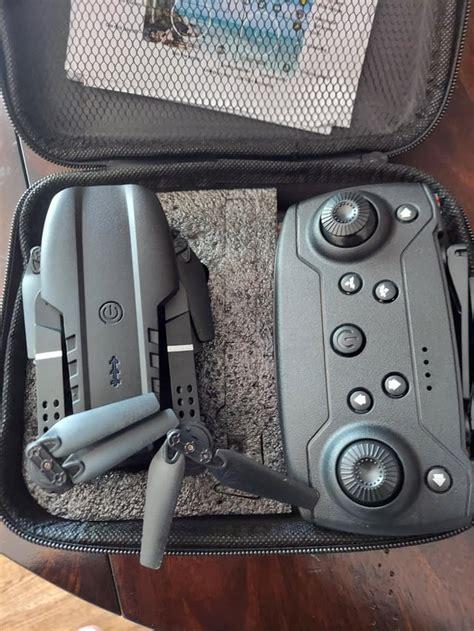
The drone itself looks the part—foldable arms, brushless motor design mimicry, and a body that imitates more expensive DJI models. But once it takes to the air, the illusion quickly crumbles.
Flight Performance: Hovering on Hype, Not Hardware
Flying the Stealth Bird 4K is an exercise in frustration. While it technically gets off the ground, any semblance of control quickly vanishes with a gust of wind. Buyers report that even slight breezes destabilize the drone, causing erratic movements and emergency landings. For a device marketed as outdoor-friendly, it barely holds its own in open air.
The Temu clone it’s based on is even worse, with multiple users stating that it “couldn’t fly with slight wind at all.” The Stealth Bird 4K does slightly better—it can hover, more or less—but struggles with directional control, making it a poor choice for even casual filming. The low-quality gyroscope calibration and inadequate stabilization system mean any attempt at smooth footage ends in a shaky, nausea-inducing mess.
Camera Quality: 4K in Name Only
This is where things get particularly misleading. The term “4K camera” is proudly advertised, but the resulting video quality is anything but cinematic. Compression artifacts, poor dynamic range, and low frame rates plague the footage. What you’re actually getting is interpolated 4K from a cheap 720p sensor, and it shows.
Even compared to older or budget DJI models like the Ryze Tello, which only shoots 720p, the Stealth Bird 4K’s footage is objectively worse. The video lacks clarity, exposure control is abysmal, and color accuracy is nonexistent. The app connection further degrades the quality with significant lag and dropped frames.
App Experience: A Security and Usability Nightmare
Every drone needs a reliable app to unlock its full functionality. Unfortunately, the Stealth Bird 4K fails spectacularly in this department. Users repeatedly cite poorly translated menus, frequent crashes, and a confusing interface that makes even basic flight controls unintuitive. Worse yet, the app requests extensive permissions without clarity—raising red flags for those concerned about privacy and data security.
The alternative? Some users suggest buying a cheap burner phone to control the drone, just to isolate its questionable app from personal data. That’s not exactly a vote of confidence.
The Community Verdict: Not Worth the Plastic It’s Made From
A visit to drone-focused communities like Reddit’s r/drones reveals a near-unanimous consensus: “You get what you pay for.” Comments range from frustration to outright mockery:
- “Don’t buy junk drones and contribute to the e-waste problem.”
- “Stop wasting money on toy drones. Get something quality.”
- “Return that POS.”
Many users recommend saving up for a DJI Mini 2 SE, a sub-$300 drone that offers genuine 4K video, rock-solid flight stability, and a trusted app ecosystem. Others advocate buying secondhand or building FPV drones from kits, especially for tech-savvy users with a DIY inclination. But nearly everyone agrees—the Stealth Bird 4K isn’t a viable product for serious use.
Who Is This Drone For? Maybe No One.
In a best-case scenario, the Stealth Bird 4K might serve as a beginner training tool for young children—something to crash repeatedly without financial consequence. But even then, its confusing controls, poor app experience, and delicate frame make it a questionable choice. It’s not rugged enough to withstand multiple impacts, and not intuitive enough for children to master independently.
Some parents, like one Reddit user, bought similar drones for their kids at ultra-low prices, just to teach them basic flight mechanics. And in that light, the Stealth Bird 4K isn’t totally useless. But that’s a niche use case, far removed from the marketing pitch.
A Better Path Forward: Spend Smarter, Not Cheaper
If you’re even slightly serious about aerial photography, recreational flying, or learning the drone hobby long-term, budget-focused buyers have vastly better options. Here’s why the DJI Mini 2 SE is constantly recommended:
- True 4K video with quality glass lenses
- Stability in wind and intelligent flight modes
- Reliable app ecosystem with regular updates
- Excellent resale value
And for slightly more, drones like the DJI Mini 3 Pro or Autel EVO Nano+ offer features like obstacle avoidance, HDR video, and extended battery life.
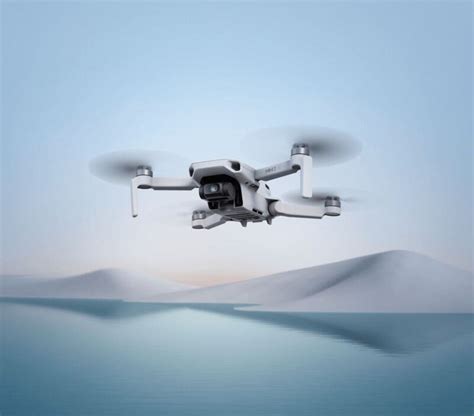
The investment isn’t just about better performance—it’s about confidence. When you trust your drone to respond accurately, deliver great footage, and connect to a safe, working app, the experience becomes joyful instead of nerve-wracking.
Final Thoughts: Let the Buyer Be Wiser
The Stealth Bird 4K is a masterclass in overpromising and underdelivering. From misleading specs to a janky app and borderline unusable camera, it exemplifies why too-good-to-be-true tech often is. Despite its sleek looks, it is ultimately a cheap knockoff built to satisfy impulse purchases, not to deliver long-term satisfaction.
If your goal is to explore the world of drones, this isn’t the on-ramp—it’s a dead end. You’re better off saving for a reputable model or diving into FPV kits if you’re more adventurous. Either way, skip the Stealth Bird. It’s not built to fly—it’s built to disappoint.