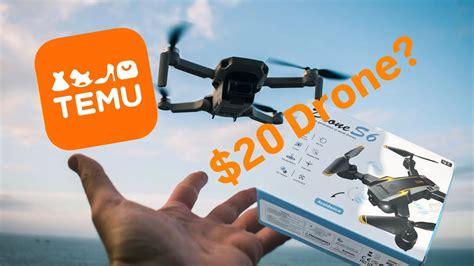
Flying a drone is a thrill few hobbies can replicate, but stepping into the skies shouldn’t mean crashing your finances. Enter the $20 Temu drone, a budget option that has sparked debates across drone communities. Is it a decent gateway into aerial flight or just plastic frustration? We explore every angle of this ultracheap flyer, comparing it with higher-tier budget drones, and examining whether it’s worth your time or a one-day wonder.
What Is the $20 Temu Drone and Why Is It So Cheap?
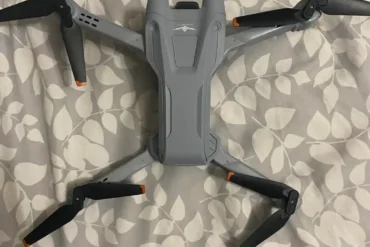
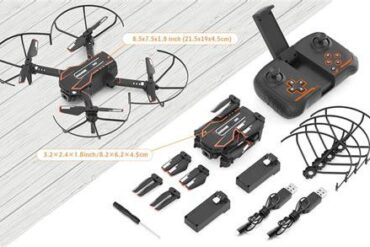
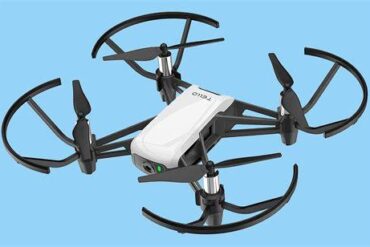
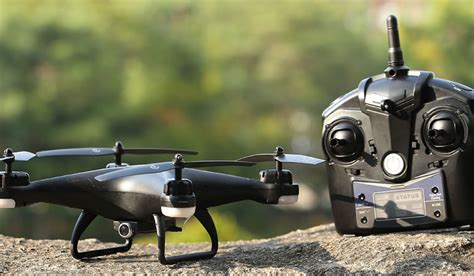
The $20 Temu drone is typically a lightweight, plastic-bodied quadcopter sold under various unbranded or lesser-known brand names on platforms like Temu, Wish, and AliExpress. These ultra-budget drones often come with:
- A basic remote controller (sometimes lacking throttle precision)
- A small battery offering 5–7 minutes of flight
- No onboard GPS or camera stabilization
- A lack of gyroscopic balance
Its cost-saving design omits critical features like altitude hold, image stabilization, and return-to-home (RTH). Instead, you get barebones functionality where success is measured in seconds of stable hovering rather than minutes of cinematic footage.
User Experience: A Rollercoaster of Expectations
Most users who unbox a $20 Temu drone are shocked it even powers on. Reddit forums are filled with mixed impressions — from hilarity at the chaos of uncalibrated launches to unexpected appreciation for how fun they can be in limited spaces. One user mentioned, “It behaves like a 2-year-old in a dress shop,” referring to its erratic flight patterns.
These drones lack trim memory, meaning any slight imbalance during takeoff spirals into lopsided, uncorrectable flights. Without GPS, they rely entirely on mechanical trim settings and trial-and-error. For the average beginner, this can feel more like taming a hornet than piloting a machine.
Still, there’s a charm to the chaos. Users embrace the limitations because the risk is so low. Crash it? Who cares. That’s the appeal.
Temu Drone vs. $100 Drones: Are They Really That Different?
Some argue that a $100 drone is merely an overpriced $20 drone with a brand logo. That isn’t always true. Here’s what your extra $80 often buys:
- Altitude Hold: Maintains vertical position automatically.
- Camera (HD or 720p): Basic aerial photography possible.
- Gyroscope + Accelerometer: Adds much-needed balance.
- Slightly Larger Battery: Flies up to 12 minutes.
- Foldable Arms: More portable design.
But even here, compromises exist. Most sub-$100 drones still lack GPS, brushless motors, and gimbals, which means jerky video and continued susceptibility to wind. However, they are far more manageable for new pilots wanting to learn basic controls without having their quadcopter disappear over the neighbor’s fence.
The Real Jump in Quality: $250 and Up
The consensus among hobbyists is clear: real drone quality starts around the $250 price point. This tier introduces:
- GPS functionality
- Brushless motors (quieter, more efficient, longer life)
- Gimbal-stabilized 4K cameras
- Return-to-home safety features
- Companion apps with flight telemetry
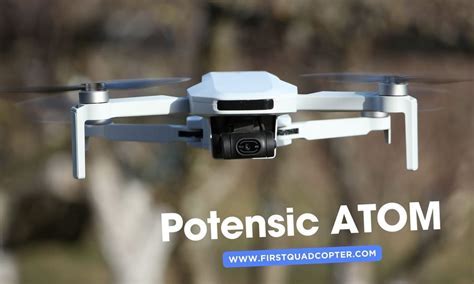
Models like the DJI Mini SE, Potensic Atom, or even older Mavic Mini drones offer enormous upgrades in flight experience, control, and video quality. One user on Reddit shared that after returning a wobbly $150 drone, they spent $260 on a Potensic Atom — and the difference was night and day. GPS lock gave them the confidence to fly, and the improved controller ergonomics made every maneuver smoother.
Trim Controls and Flight Training for Budget Flyers
Trim is the only control feature many cheap drones provide to battle drift. Yet even these are imprecise. Still, learning trim adjustments becomes a useful exercise in developing manual control skills. Beginners can perform drills such as:
- Hovering in place for 30 seconds
- Taking off and landing on the same spot repeatedly
- Performing 360° turns without drifting too far
Such exercises build muscle memory, which is invaluable if transitioning later to FPV (First Person View) drones. Though these budget drones won’t win any design awards, they’re disposable trainers that teach patience.
Durability and Modding Potential
Cheap drones break — that’s a given. But that’s also their advantage. No one cries over a snapped propeller when the drone cost less than a pizza.
Some users even buy multiple units for modding projects:
- 3D print custom bodies
- Test open-source flight controllers
- Replace parts for tinkering practice
These drones become the Arduino kits of the air — fragile, limited, but open to imagination.
Who Should Buy a $20 Temu Drone?
We recommend the Temu $20 drone for very specific users:
- Children or curious teens under supervision
- Total beginners unsure if they’ll enjoy the hobby
- DIY tinkerers wanting disposable hardware
- Casual flyers who just want indoor fun or backyard flights
It’s not suitable for those interested in:
- Cinematography
- Long-range FPV flying
- Windy environments
- Training for professional drone licenses
The Danger of False Expectations
One of the biggest risks with buying a $20 drone is assuming it represents the drone industry. After a few chaotic flights, new users may conclude drones are hard to control, unreliable, or not worth the effort.
That’s false. The right drone — even just one step up — offers a smoother experience, and by the time you reach DJI or Autel-level devices, drone flying becomes intuitive, cinematic, and addictive.
For many, the Temu drone becomes a stepping stone, not an end point. One Reddit user shared that crashing a $20 drone actually launched their journey into FPV racing, where they now invest hundreds — not out of frustration, but because the cheap thrill ignited a passion.
Is It Worth the Money?
At $20, this drone delivers on exactly one promise: fun with no strings attached. It’s a toy, not a tool. For what it is — a disposable experiment in four-prop chaos — it’s remarkably entertaining.
However, for those seeking even modest stability, reliable hovering, or camera footage that doesn’t look like it was filmed during an earthquake, investing $80–$150 more will transform your experience.
In other words: you get what you pay for, and at $20, you pay for flying an unpredictable plastic bug with your thumbs. That’s not always bad — but it’s best enjoyed with eyes wide open.
Final Thoughts: Buy It for the Laughs, Not the Legacy
The $20 Temu drone isn’t a breakthrough in flight tech. It’s a chaotic, often uncalibrated buzz of plastic fun. And in the right hands — or the right mindset — it can be exactly what sparks a future passion.
If you expect nothing and prepare for turbulence, the Temu drone might just earn its spot in your tech drawer. Just don’t expect it to stay there long — it’ll either break, disappear over the fence, or lead you down a path of much more serious flying.