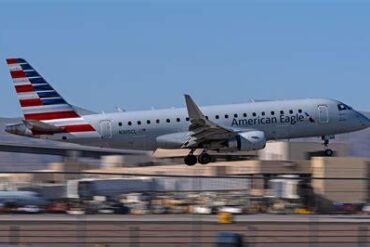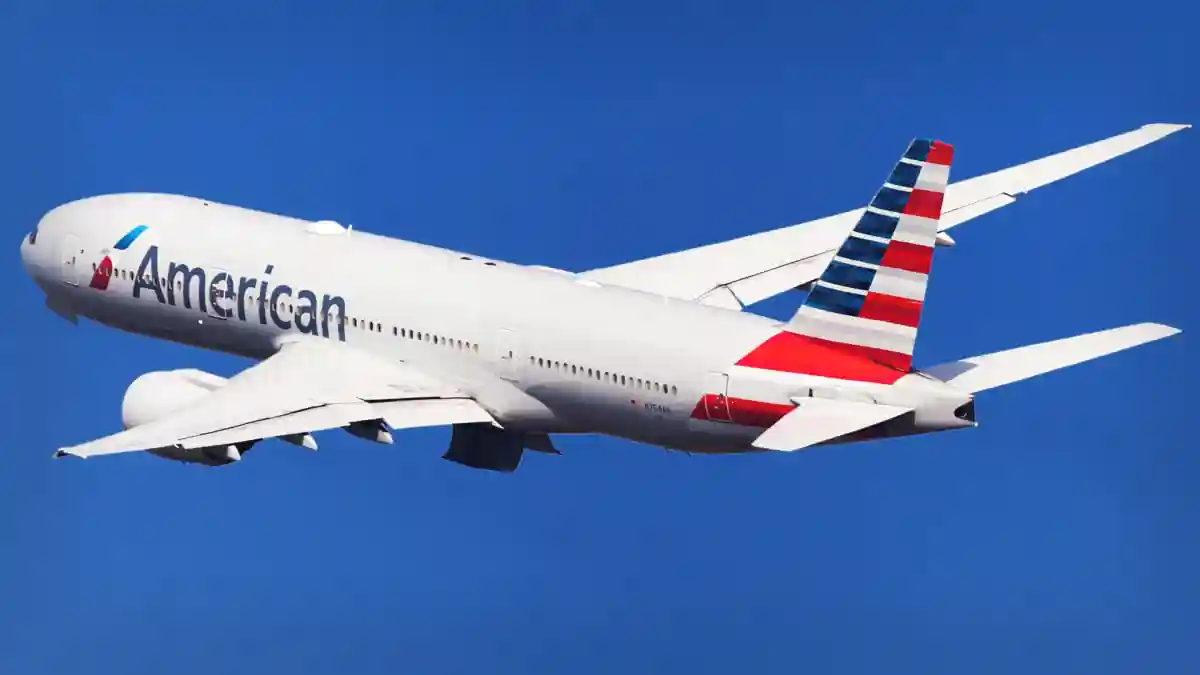
American Airlines, once burdened by two major bankruptcies, has not only bounced back but soared to the top of the U.S. aviation industry. As of 2025, it holds the title of America’s largest airline, outpacing giants like Delta and United in nearly every measurable category — from passengers carried and fleet size to available seat miles (ASMs) and global destinations served.
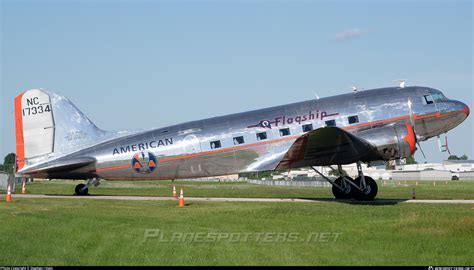
Founded in 1926 as American Airways, the company emerged in 1930 from a consolidation of over 80 regional carriers. While it pioneered aviation milestones early on — including introducing the Douglas DC-3 and opening the world’s first airport lounge — the true reinvention of American Airlines came after decades of turbulence and hard resets.
From Collapse to Conquest: American’s Bankruptcy Years
The first major shock hit in 2001, but it was the 2011 bankruptcy filing by AMR Corporation, American’s parent company, that signaled existential risk. With skyrocketing fuel costs, high labor expenses, and a rapidly aging MD-80 fleet, the company could no longer stay solvent. Chapter 11 protection became a necessary move.
But instead of spiraling, American leveraged this period to renegotiate labor contracts, slash structural overhead, and overhaul its fleet. By 2013, it emerged leaner and strategically aligned for a massive transformation.
The US Airways Merger: A Game-Changing Alliance
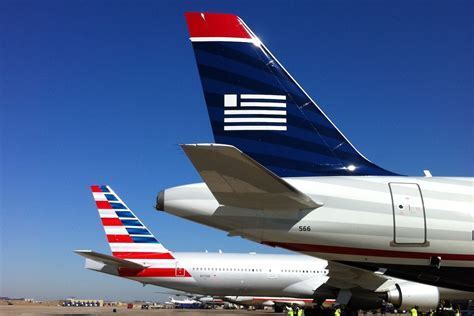
The turning point came when American merged with US Airways in 2013, a deal finalized in 2015 that created American Airlines Group, now the largest airline holding company in the world. The merger wasn’t just a merger — it was a full-scale fusion of networks, resources, and operations.
US Airways brought a dominant East Coast footprint while American boasted strongholds in the West and South, including Dallas/Fort Worth (DFW) and Los Angeles (LAX). This synergy allowed American to stretch its reach to 357 destinations across 61 countries and operate 6,800 flights daily.
A Giant in Numbers: The Aircraft Fleet Powering the Empire
By mid-2025, American Airlines operates 992 mainline aircraft, with a wide mix of Boeing and Airbus models that reflect both legacy operations and modern upgrades:
- Airbus A319-100: 132 units, average age 20.1 years – inherited from US Airways.
- Boeing 737-800: 303 aircraft – the single largest aircraft type in American’s fleet.
- Airbus A321neo: 84 aircraft – with only 2.1 years average age, this is one of the newest and most efficient.
- Boeing 787-8 and 787-9 Dreamliners: 62 combined – modern widebodies used for transcontinental and international long-haul routes.
Older aircraft like the Boeing 757s and 767s have been retired, reinforcing the airline’s focus on efficiency and fleet harmonization. Compared to rivals, American beats Delta’s narrowbody count and even surpasses United in overall seat availability.
225 Million Flyers Can’t Be Wrong: America’s Passenger Champion
In 2024, American Airlines carried a staggering 226.4 million passengers, decisively surpassing Delta (200M) and United (173M). These figures, verified by Cirium and Airways Magazine, showcase American’s dominance in terms of volume and reach.
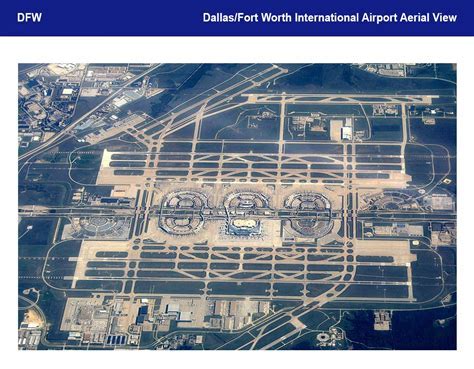
The carrier’s secret? A powerful hub strategy. Its largest hub, Dallas/Fort Worth, facilitates over 1,000 daily departures, serving as a major connector for domestic and international flights. Add hubs like Charlotte, Miami, and Chicago O’Hare to the mix, and American’s funneling capability becomes unrivaled.
Seat Miles, Completion Rates, and Tech-Driven Efficiency
American isn’t just about size — it’s about scale with precision. In 2024, the airline led the U.S. market with 293 billion ASMs (available seat miles). Operationally, the airline runs nearly 200,000 flights per month, with a completion rate of 99.97%.
According to Cirium’s April–May 2025 on-time performance report, American scored 75.41% in May, slightly below Delta but ahead of Southwest. Importantly, American continues to invest in tech-forward solutions like AI-assisted crew routing and real-time baggage tracking, aimed at reducing delays and enhancing customer satisfaction.
Maintenance operations are equally robust. American operates the world’s largest airline-run MRO (maintenance, repair, overhaul) facility in Tulsa, OK, alongside additional bases in Charlotte, Pittsburgh, and Dallas.
A Global Network Backed by oneworld
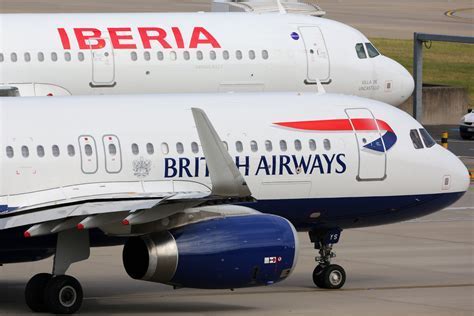
American’s strategic participation in the oneworld alliance supercharges its international relevance. Through joint ventures with British Airways, Japan Airlines, Iberia, and Qatar Airways, American offers globally synchronized schedules, cross-carrier elite benefits, and codesharing that extends its reach deep into Europe, Asia, and Latin America.
This network integration outpaces even Delta’s SkyTeam in terms of breadth. For example, premium routes like New York–London, DFW–Tokyo, and Miami–Sao Paulo benefit from seamless coordination, giving American customers a smoother international experience.
AAdvantage and the Business of Loyalty
Central to American’s passenger retention is AAdvantage, one of the most mature frequent flyer programs in the world. The program boasts tiered elite levels, expansive redemption options, and integrated reward earning through partnerships with hotel chains, rental car companies, and credit cards.
AAdvantage is especially attractive for long-haul and business travelers. Elite members gain access to Flagship Lounges, priority upgrades, and exclusive mileage redemption perks, making American’s loyalty ecosystem a major competitive edge.
The Growing Pains: Operational Hurdles and Customer Perception
While American reigns in size, it has faced criticism in customer satisfaction rankings, especially when stacked against Delta. Travelers often cite frequent delays, crowded hub airports, and inconsistent onboard service as weak points. Airports like DFW, CLT, and MIA are routinely flagged in traveler reviews for congestion and longer turnaround times.
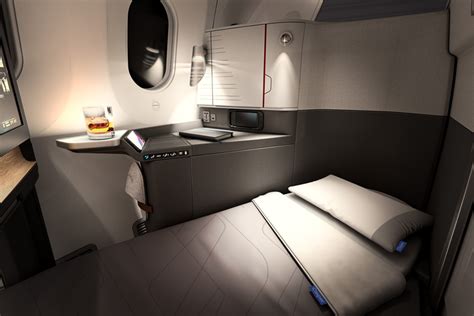
However, the airline is responding. In 2025, American began rolling out refreshed cabins, including new Boeing 787-9 Dreamliners equipped with updated lie-flat business class suites. Cabin redesigns also focus on better inflight connectivity, USB-C power at every seat, and enhanced seat ergonomics.
Looking to the Skies: American’s Future Strategy
American Airlines isn’t just content being the biggest — it aims to be the most forward-looking. The airline is part of the next-generation travel initiative, including Boom Supersonic’s Overture program, eyeing commercial supersonic travel by the 2030s.
Meanwhile, American’s order book remains strong, with hundreds of next-gen narrowbodies and widebodies queued for delivery over the next five years. Combined with investments in sustainability and AI-driven operational intelligence, the carrier is positioning itself as a future-proof aviation titan.
Conclusion: A Phoenix Reborn and Redefined
American Airlines’ ascent is a testament to strategic resilience. From a broken carrier drowning in debt to the industry’s most formidable giant, the airline’s journey has reshaped the competitive landscape of global aviation. While challenges remain — especially in customer perception and on-time reliability — American’s scale, network strength, and international integration place it at a vantage point few others can claim.
Passengers benefit from this magnitude with greater connectivity, frequent flight options, and a robust loyalty program that spans the globe. Meanwhile, the airline continues to refine, modernize, and expand — proving that failure not only isn’t final but can serve as the catalyst for aviation greatness.