In a strategic move to revolutionize tourist mobility while safeguarding ecological and cultural treasures, India has launched a visionary ropeway transport initiative across Tamil Nadu’s major tourist hubs—including Mahabalipuram, Ooty, and Kodaikanal. This forward-thinking project aims to reduce traffic congestion, improve last-mile connectivity, and provide an immersive travel experience through eco-friendly aerial transit systems. By leveraging sustainable ropeway technology, the initiative seeks to ease pressure on overburdened road networks, protect fragile hill and heritage environments, and elevate the overall quality of tourism infrastructure in line with the state’s green development goals.
The Chennai Metro Rail Limited (CMRL) has initiated early-stage feasibility studies to explore the implementation of these ropeway transport systems across several key locations in Tamil Nadu’s top travel destinations. This bold step follows an earlier announcement in the Tamil Nadu state budget aimed at transforming tourism infrastructure across the state. The vision is to modernize visitor experiences while reducing dependency on overburdened roadways, particularly in ecologically fragile zones and historically significant sites.
Scenic Ropeway Planned for Mahabalipuram
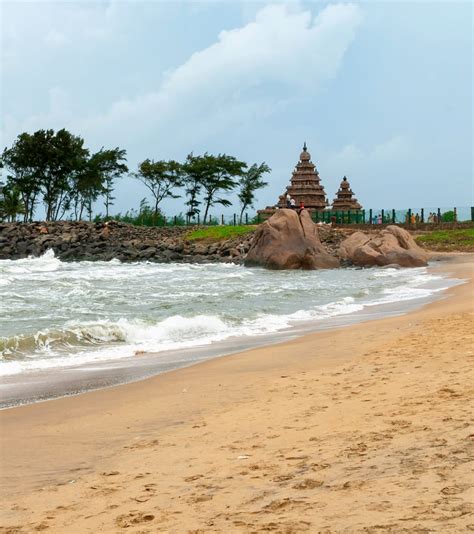
Leading the ropeway initiative is Mahabalipuram, a UNESCO World Heritage Site and a coastal town renowned for its ancient temples and monuments. CMRL is actively assessing the potential for a two-kilometre ropeway that would connect the proposed new bus terminal with the Shore Temple, a prominent archaeological marvel and major tourist attraction. If implemented, the aerial transit line could dramatically alleviate traffic pressure on local roads while offering tourists a panoramic view of the town’s heritage landscape and seafront. The ropeway is envisioned not only as a mobility solution but also as an experiential journey, blending convenience with coastal charm.
Addressing Hill Station Gridlocks in Ooty and Kodaikanal
Expanding its vision beyond Mahabalipuram, the proposed ropeway network also targets Tamil Nadu’s renowned hill retreats—Ooty and Kodaikanal—as part of the broader strategy to enhance connectivity in high-altitude tourist hotspots. Both destinations attract thousands of visitors each year, especially during the summer season. However, their steep terrain, narrow roads, and limited public transportation infrastructure often lead to traffic snarls and long delays. CMRL’s plan aims to introduce aerial ropeways that can bypass the congested roads and provide a faster, more efficient mode of transport for tourists navigating between key attractions and town centres. These systems are expected to significantly cut travel time, reduce vehicle emissions, and preserve the natural beauty of the Nilgiris and Palani Hills.
Expert Consultation and Feasibility Studies Underway
As an initial step in advancing the project, CMRL has issued an Expression of Interest (EOI), inviting experienced consultancy firms specializing in ropeway technology to conduct in-depth feasibility assessments. These assessments will focus on several critical factors, including:
- Technical design and engineering viability
- Ideal route alignments and elevation profiles
- Cost and funding projections
- Potential environmental and heritage impact
- Public safety, capacity, and maintenance requirements
The studies will help authorities determine whether ropeways are the most practical and sustainable option for each location and will inform project structuring and execution models.
Urban Ropeway Proposals for Chennai
In addition to tourist centres, ropeway systems are also being considered for urban transportation within Chennai city. Early proposals include a 1.7-kilometre ropeway connecting the Taramani MRTS station with the Kandanchavadi Metro Station—an effort to create better intermodal connectivity in IT corridor zones. Another potential line could run for 1 kilometre along East Coast Road, linking it to Palavakkam, a high-traffic area known for its beaches and residential hubs. Officials clarified, however, that the Chennai city segments are still in the early conceptual stages. No definitive timeline or budget has been announced yet, and these projects are subject to further evaluations and policy clearances.
Sustainable Vision for the Future
This ropeway strategy aligns with Tamil Nadu’s broader vision of green and inclusive urban development. Ropeways have been gaining traction worldwide as low-emission alternatives to conventional road and rail systems, especially in areas with challenging terrain or historic preservation requirements. They are particularly effective in mitigating urban sprawl, improving last-mile connectivity, and offering tourists a unique way to experience local geography. By prioritizing cable-driven transport in key tourism and urban zones, the state hopes to balance development with conservation, easing travel without compromising the character or ecology of its most treasured locales.
While still in its early stages, this initiative signals a forward-thinking shift in Tamil Nadu’s transport and tourism planning—one that combines heritage preservation, environmental stewardship, and passenger convenience in equal measure.