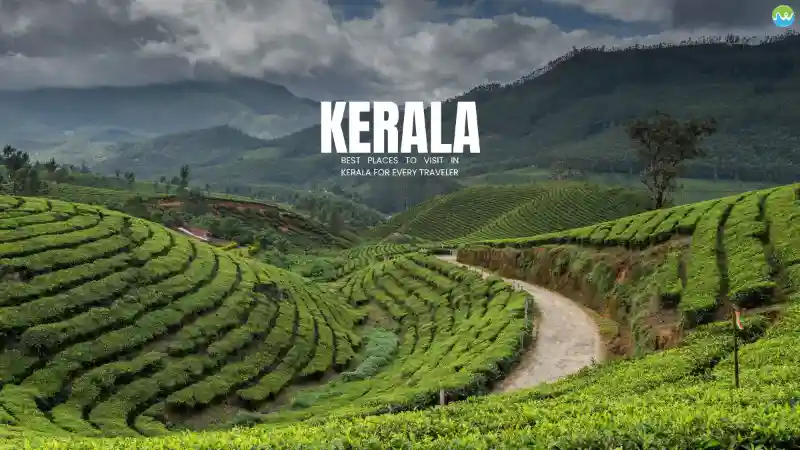
Kerala, often referred to as “God’s Own Country,” is a destination that beautifully intertwines nature, culture, and green travel. This remarkable state has transformed itself from one of the poorest in India to a thriving hub of sustainable tourism. Unlike many regions that prioritize economic development through industrialization, Kerala has taken a different path, focusing on human development, which has yielded impressive results. Today, it stands as a model of excellence in sustainable tourism, showcasing how social development can lead to economic success.
In the 1970s, Kerala faced significant challenges, with per capita incomes below the national average, marking it as one of the poorest states in the country. However, rather than investing solely in industries, Kerala made a bold choice to invest in education and healthcare. By the early 1970s, the state boasted a literacy rate of approximately 70%, significantly higher than the Indian average of 34%. This commitment to public health resulted in a higher life expectancy and lower infant mortality rates compared to the national averages. These early investments laid the groundwork for Kerala to become an international paradigm for how social spending can drive sustained economic growth.
Why Kerala Offers the Ideal Setting for Regenerative Travel
Kerala’s experience with tourism goes beyond mere economic growth; it embodies the principles of sustainable travel. The state’s approach to regenerative travel is unique, emphasizing not only the preservation of the environment but also the rejuvenation of local communities and ecosystems. Unlike traditional tourism that often strains local resources, Kerala’s regenerative travel initiatives aim to create a positive impact on both the environment and the societies that inhabit it. This balance between nature conservation and inclusive development provides tourists with a fulfilling and enriching experience.
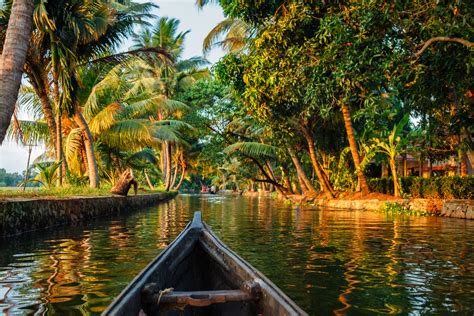
The state has pioneered eco-friendly travel options that enable visitors to explore its breathtaking backwaters, picturesque hill stations, stunning beaches, and diverse wildlife sanctuaries without compromising the integrity of its natural habitats. Each destination offers limitless possibilities:
- Backwaters of Kerala: Enjoy a houseboat cruise in Alleppey and Kumarakom, where serene waters are flanked by lush greenery, providing a tranquil retreat.
- Wildlife Sanctuaries: Visit Periyar Wildlife Sanctuary or Wayanad to witness Kerala’s rich biodiversity, including elephants, tigers, and a multitude of bird species.
- Hill Stations and Tea Gardens: Explore Munnar and the Western Ghats, where tourists can traverse tea gardens, temperate hill stations, and scenic mountain trails.
These experiences, infused with the values of regenerative tourism, ensure that visitors leave Kerala with a profound appreciation for the region’s ecosystems and its people.
Migration and Remittances: Fueling Sustainable Prosperity
The migration of Keralites to the Persian Gulf during the 1970s played a pivotal role in the state’s economic triumph. The remittances sent home by these overseas workers became a crucial economic stimulus, accounting for 35% of Kerala’s GDP by the early 2000s. This influx of external income catalyzed domestic spending, driving growth in sectors like real estate, healthcare, and education. By the 2010s, Kerala was responsible for receiving 19% of India’s total remittance inflows, despite representing only 3% of the national population. These remittances significantly bolstered Kerala’s social infrastructure, allowing for continued investment in health, education, and tourism service infrastructure.
The financial support from abroad has also enhanced Kerala’s capacity to promote regenerative tourism practices and maintain its tourism infrastructure. The focus on sustainability has become a hallmark of Kerala’s tourism strategy, attracting eco-conscious travelers who seek experiences that align with their values.
Kerala Tourism Today: A Path Towards a Sustainable Future
Today, Kerala’s commitment to sustainable travel is reflected in its careful resource management and its focus on creating a positive impact on the environment and communities. Alongside its eco-tourism initiatives, the state has emerged as a prominent destination for health and wellness travel, offering yoga retreats, Ayurvedic spas, and holistic wellness centers. Furthermore, the “Responsible Tourism Kerala” program encourages tourists to engage with local communities, immersing themselves in traditional cultures and supporting local artisans. This initiative reflects Kerala’s dedication to responsible travel and continues to draw eco-conscious tourists seeking authentic experiences.
Arrival in Kerala and Navigating the State
Accessing Kerala is convenient, with the Cochin International Airport being one of the busiest in the country, offering direct connections from various destinations worldwide. Upon arrival, visitors will find a well-developed transport infrastructure that includes trains, buses, and taxis, facilitating easy travel to the state’s diverse attractions.
Conclusion: Kerala as a Model for Sustainability-Based Tourism
Kerala remains at the forefront of regenerative travel, providing travelers with not just a beautiful destination but also a chance to contribute to a sustainable future. Its stunning natural beauty, rich cultural heritage, and commitment to restoring ecological balance offer an unforgettable experience that transcends ordinary travel. As more travelers seek destinations that prioritize human development and environmental conservation, Kerala serves as a benchmark for others to aspire to emulate. Whether connecting with nature, exploring vibrant cultures, or simply relaxing and rejuvenating, Kerala’s sustainable practices position it among the premier choices for today’s discerning travelers.