Greenland, the world’s largest island, is inviting the global community to discover its stunning natural landscapes, rich Inuit culture, and unique Arctic experiences. In 2025, the island is embracing a new era of tourism, with a particular focus on sustainability, local engagement, and authentic cultural storytelling. From whale-watching to guided tours through remote settlements, Greenland promises unforgettable experiences for those eager to explore this extraordinary destination.
Nuuk’s New International Gateway
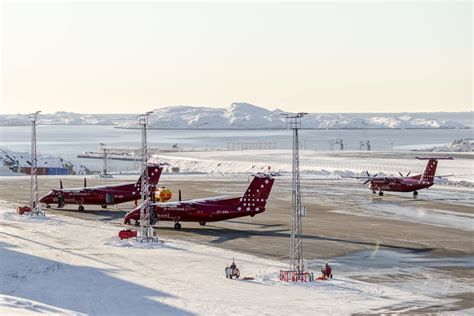
One of the most significant developments in Greenland’s tourism sector has been the opening of Nuuk’s international airport in November 2024. This major infrastructure upgrade has significantly enhanced accessibility for travelers. With direct flights now available between Newark, New Jersey, and Greenland’s capital, Nuuk, tourists no longer have to endure layovers in Iceland or Denmark to reach the island. The direct flight route marks a historic milestone for Greenland’s tourism industry, as it offers unprecedented ease of access for U.S. visitors. Visit Greenland, the country’s tourism board, reports that the new international airport is expected to almost double the number of airline seats available during peak travel seasons, from 55,000 in 2023 to 105,000 in 2025. This increase in flight capacity is expected to attract even more international visitors eager to experience the island’s natural beauty and rich cultural heritage. With such improvements, Greenland is positioning itself as a prime destination for ecotourism and sustainable travel.
Exploring Greenland’s Natural Wonders
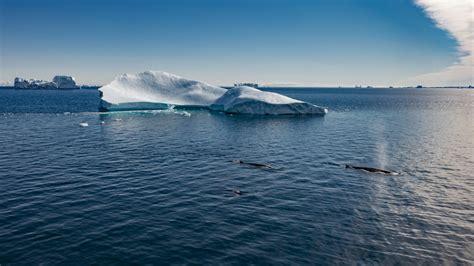
Greenland is renowned for its rugged landscapes, dramatic fjords, and pristine wildlife. For travelers looking to immerse themselves in the island’s natural beauty, there are plenty of opportunities to do so. Whale-watching tours, one of the island’s most popular activities, allow visitors to witness these majestic marine mammals in their natural habitat. Species such as humpback and minke whales can be spotted in the waters surrounding Greenland, offering a truly spectacular experience for nature lovers. In addition to whale watching, Greenland is also home to vast colonies of puffins, particularly on the small island of Niaqornaarsuk. These charming seabirds are a highlight for birdwatching enthusiasts, and tours to see them offer a rare chance to explore the island’s unique avian life.
For those interested in the culture and traditions of the indigenous Inuit people, guided tours to remote settlements provide an opportunity to learn about life in Greenland’s smaller, less-visited communities. These tours emphasize cultural immersion and provide visitors with a deeper understanding of Greenland’s history and way of life.
Tourism’s Economic Impact: A Boon for Local Businesses
Tourism has become a critical driver of Greenland’s economy. In 2024, the tourism sector contributed DKK 1.245 billion to the island’s GDP and provided over 1,800 direct jobs. The industry accounted for 4.9% of the national GDP and more than 6% of total employment. This growth is expected to continue as more visitors flock to Greenland, especially with the new flight routes increasing accessibility. The local economy benefits not only from the influx of visitors but also from the spending that comes with it. From guided tours to local artisans selling their crafts, tourism provides a much-needed boost to small businesses across Greenland. Communities that are located in more remote parts of the island, far from the bustling capital of Nuuk, are also expected to benefit from increased tourist visits. As the industry grows, so too does the opportunity to create new jobs and improve livelihoods for Greenland’s population of 56,000. However, as the tourism sector grows, the government and local businesses are taking steps to ensure that the benefits of tourism are distributed equitably and that sustainability is prioritized.
Balancing Growth with Sustainability
As the island’s tourism industry continues to expand, there are concerns about the potential environmental impact of increased visitor numbers. Greenland is committed to ensuring that tourism growth occurs in a way that preserves its natural and cultural heritage. To that end, local and national governments have put measures in place to regulate tourism activities. Zoning laws are now in place to protect sensitive areas, ensuring that tourists do not cause irreparable damage to the environment. Additionally, all tour operators, especially those offering excursions in remote or ecologically sensitive areas, are required to adhere to strict sustainability policies. This ensures that local resources are used responsibly and that the benefits of tourism are shared within the community. By promoting sustainable travel practices, Greenland aims to protect its delicate Arctic ecosystem for future generations while also supporting the economic wellbeing of its population.
The Vision for Tourism in 2035
Visit Greenland has set ambitious goals for the future of tourism, with a roadmap to increase both the volume and quality of tourism in the coming years. By 2035, the organization plans to double the number of tourists visiting the island, increase revenue per visitor, and ensure that the benefits of tourism are felt in all regions of Greenland. Key targets include achieving 75% year-round utilization of tourism infrastructure and ensuring that all tourism operators adopt formal sustainability practices. In addition, the government is committed to promoting responsible tourism that respects the cultural heritage of the indigenous Inuit population. This will include initiatives that involve local communities in the tourism sector, giving them a voice in how tourism is developed and ensuring that their traditions and way of life are respected.
The ‘Trump Effect’ and Greenland’s Rising Popularity
In recent years, Greenland has garnered global attention due to a diplomatic incident involving former U.S. President Donald Trump. In 2019, Trump controversially proposed buying Greenland from Denmark, sparking a heated debate about the island’s future. While this proposal was rejected by Denmark and Greenland, the international attention it attracted has, ironically, worked in the island’s favor. The increased media coverage of the island has piqued the interest of travelers from all over the world, many of whom may not have considered Greenland as a vacation destination before. According to Casper Frank Møller, CEO of the tour company Raw Arctic, the “Trump effect” has put Greenland on the world map, making it a more recognizable and desirable destination for tourists.
Conclusion: A Bright Future for Greenland’s Tourism
Greenland is on the cusp of a tourism boom, with improved accessibility, a strong commitment to sustainability, and a deep focus on cultural authenticity. As the island continues to develop its tourism infrastructure and expand its offerings, it remains committed to preserving the natural environment and respecting the traditions of its indigenous population. Whether it’s whale watching, exploring remote settlements, or simply enjoying the breathtaking landscapes, Greenland offers an unforgettable travel experience that promises to make a lasting impact on all who visit. With its new flight connections, diverse natural wonders, and commitment to responsible tourism, Greenland is undoubtedly a destination to watch in 2025 and beyond. For travelers seeking something unique, meaningful, and sustainable, Greenland’s doors are wide open, ready to welcome those looking to experience the beauty of the Arctic.