Travelers often face uncertainty when flight delays strike, especially when the status updates at the gate remain vague or unhelpful. Tracking where your plane is coming from before boarding can provide crucial insight — sometimes even before the airline provides official notice. By using modern tools and understanding airline logistics, we can gain visibility into the aircraft’s current location, the reasons behind delays, and make more informed decisions about how to proceed with our travel plans.
Why Knowing Your Aircraft’s Origin Matters
Every commercial aircraft follows a tight operating schedule, hopping between cities multiple times in a single day. A delay earlier in the aircraft’s schedule — caused by mechanical issues, weather, or congestion — can ripple through its subsequent flights. By identifying the aircraft assigned to your flight and determining where it is at the moment, we can estimate when it will realistically arrive and whether the delay is minor or likely to worsen.
For instance, if the inbound aircraft hasn’t even departed from its prior location, we can anticipate a longer delay. Conversely, if it’s already en route, the flight may recover time during turnaround. This knowledge is especially important when flying with low-cost carriers or airlines with minimal aircraft stationed at your departure airport, where substitutions aren’t readily available.
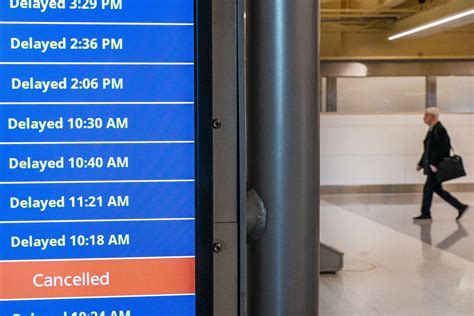
It also enables us to make better use of our time at the airport. Knowing the real-time aircraft status might prompt us to:
- Visit a lounge for food or relaxation
- Adjust our rideshare or parking schedule
- Request a rebooking in advance if it appears the delay will be extensive
However, even with delays showing on tracking tools, airlines may swap aircraft without warning. That’s why passengers should continue to monitor updates regularly and avoid arriving too late at the airport.
Using FlightAware to Track Inbound Aircraft
One of the most accessible tools for the average traveler is FlightAware, a robust and real-time flight tracking platform. It lets us see the status of inbound aircraft even before official airline updates.
To track an inbound plane on FlightAware:
- Open FlightAware on your desktop or mobile device.
- Navigate to Flight Tracking.
- Enter your flight number or departure/arrival cities.
- Select your specific flight from the results.
You’ll be taken to a screen displaying your aircraft’s route and current position. Look for the “Where is my plane now?” link. Clicking this reveals:
- The aircraft’s real-time location
- Estimated arrival at your departure airport
- Scheduled departure time
- Delay estimations and weather impacts
For example, if you’re flying from New York (JFK) to San Francisco (SFO) and the plane hasn’t yet left Chicago, there’s a clear chance the delay will stretch longer than posted.
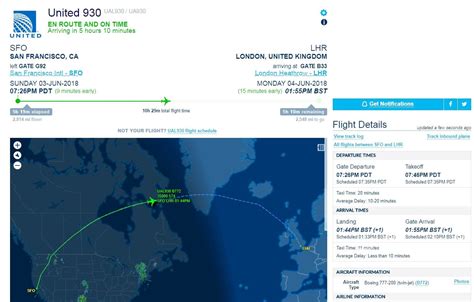
This feature is invaluable for travelers trying to make tight connections, arrange pickups at their destination, or rebook with minimal disruption.
Airline Apps: A Direct Source of Aircraft Status
Most major airlines have enhanced their mobile apps and websites to include built-in tracking tools. These often offer real-time inbound aircraft data, especially if you’re logged into your account and have an active booking.
Here’s how it generally works:
- Open the airline’s app (e.g., Delta, United, American Airlines)
- Navigate to “My Trips” or “Flight Status”
- Select your upcoming flight
- Look for a section labeled “Inbound Aircraft”, “Where is this plane coming from?”, or similar
Some airline tools are more informative than others. For instance, American Airlines’ app provides highly detailed inflight updates, including boarding and taxiing status of the inbound plane.
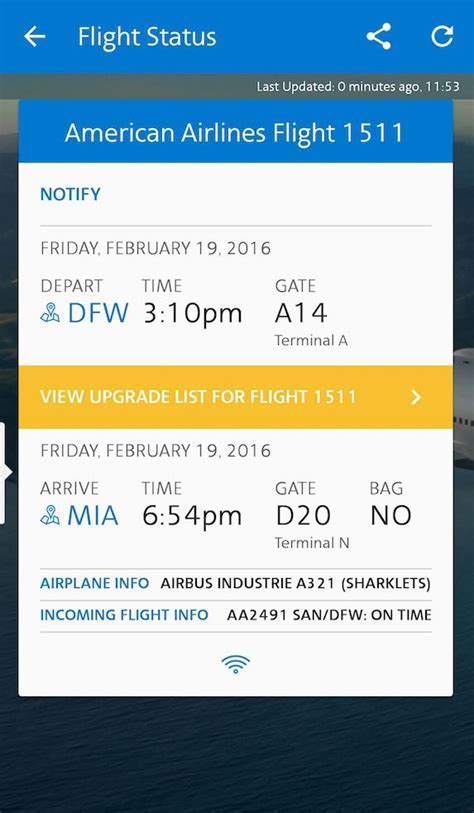
These interfaces typically ask for your flight number, departure and arrival cities, and travel date. The system will then surface real-time updates, which often include turnaround times and current aircraft location.
Advanced Insights With Airline Fleet Patterns
Beyond tracking a single aircraft, experienced travelers often benefit from understanding airline fleet operations. Large airlines with significant hub presence (e.g., Delta at ATL, United at ORD) have more flexibility to substitute aircraft. This means even if an inbound plane is delayed, the airline may swap it out to minimize delays.
However, for routes operated only a few times per day or by smaller airlines (e.g., budget carriers), the assigned aircraft is likely your only option. This is why tracking is even more crucial for regional flights or low-frequency routes.
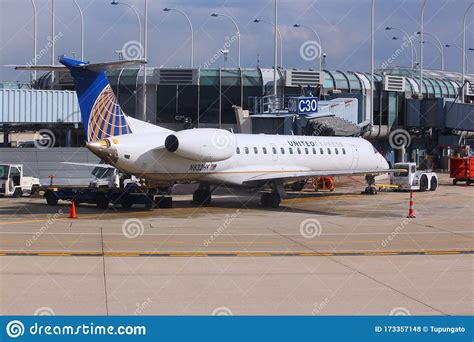
Additionally, quick-turn schedules on short-haul routes may show seemingly late arrivals still resulting in on-time departures. Aircraft turnaround times are often compressed to under 30 minutes for budget airlines, so real-time updates can change rapidly.
Situational Awareness During Flight Disruptions
During major events — storms, air traffic control strikes, or technical meltdowns — passengers may face mass delays and cancellations. In these scenarios, airline systems become overloaded, and official updates are sporadic or outdated.
Here, inbound plane tracking offers a decisive advantage:
- Know if your assigned aircraft was affected by earlier airport closures
- Identify reroutes or diversions that may impact your flight
- Decide faster whether to rebook or wait out the disruption
For example, if a Nor’easter delays flights in Boston, and your aircraft is stuck there, you might opt to proactively rebook before the rest of the flight fills up.

This level of insight is not typically visible to front-line airline staff at the gate. By arriving with clear data, you can advocate more effectively for rebooking or compensation.
Privacy and Data Considerations
Flight tracking platforms pull data from public ADS-B transponders, required on nearly all commercial aircraft. This data is openly broadcast and accessible, which is why FlightAware, Flightradar24, and similar tools can provide accurate, live tracking.
However, travelers should avoid relying on social media rumors or third-party speculation. Stick to tools that are fed by verified aviation data and understand that some airlines may restrict detailed tracking for security or privacy reasons (e.g., military charters, executive shuttles).
The Bottom Line: A Must-Know Skill for Modern Travelers
In an age where information empowers better decision-making, the ability to track your inbound aircraft is a crucial addition to any frequent flyer’s toolkit. While it won’t prevent delays, it offers a window into operational realities behind the scenes. Armed with this insight, you can reduce stress, navigate disruptions smoothly, and even gain leverage in negotiating alternate options.
At the very least, understanding where your plane is coming from allows you to anticipate delays with greater confidence and plan accordingly. That clarity can make the difference between a ruined travel day and a controlled, strategic recovery.