Space has forever fascinated humanity, sparking centuries of exploration and wonder. As we delve deeper into the cosmos, the astonishing facts about space only multiply, revealing a universe more breathtaking and mysterious than we could ever imagine. In this article, we uncover some of the most profound and intriguing aspects of space, supported by scientific discovery and observation.
The Sun: A Giant Among Stars
When we consider the scale of the Sun, it is easy to underestimate its sheer magnitude. Although classified as an average-sized star compared to the colossal giants scattered throughout the universe, our Sun is capable of housing approximately one million Earths within its voluminous sphere. This perspective underscores the massive energy output that sustains life on our planet. The Sun’s core temperature exceeds 15 million degrees Celsius, producing nuclear fusion reactions that release light and heat essential for Earth’s biosphere.
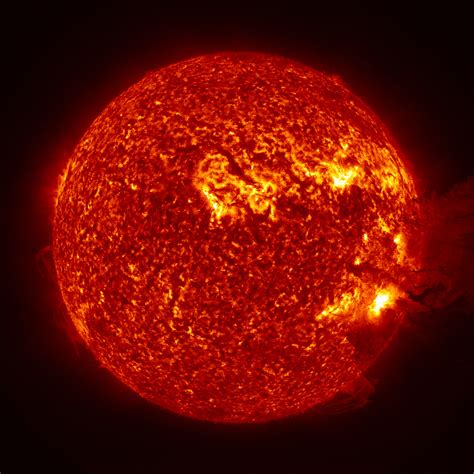
The gravitational dominance of the Sun ensures the stability of our solar system, keeping planets, asteroids, and comets tethered in predictable orbits. Without its relentless pull, the Earth would drift aimlessly into the dark coldness of space.
Liquid Water Beyond Earth: Mars’ Surprising Evidence
For centuries, scientists speculated whether liquid water existed elsewhere in the solar system. Today, thanks to NASA’s advanced rover missions and orbital reconnaissance, there is strong evidence of intermittent running water on Mars. Dark, narrow streaks called Recurring Slope Lineae have been observed to form during the warmer seasons, suggesting briny liquid water flows just beneath the Martian surface.
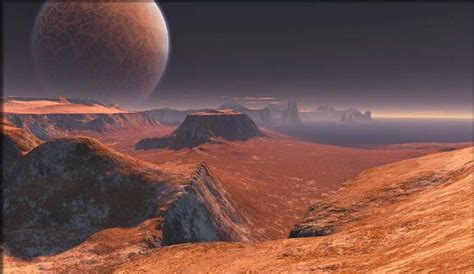
The presence of water is a tantalizing hint that microbial life could once have existed—or might still exist—on Mars. It also fuels hopes that future human colonies might be able to harness these resources, paving the way for sustainable habitation.
Ancient Messengers: Comets From the Dawn of Time
Comets are often romanticized as “dirty snowballs” traversing the night sky, but their scientific significance is immense. These celestial bodies are 4.5 billion-year-old remnants from the early solar system, composed predominantly of sand, ice, and carbon dioxide. Their cores hold pristine samples of primordial material, offering scientists invaluable insights into the conditions that prevailed during the solar system’s birth.
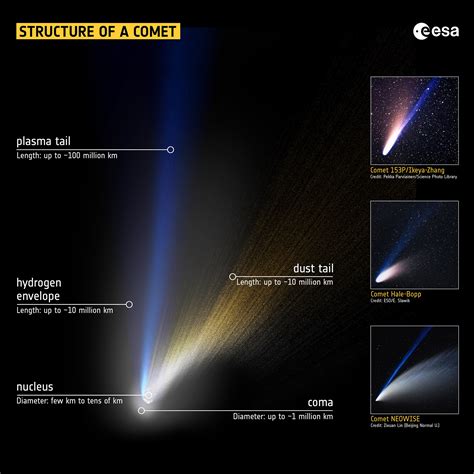
Missions like ESA’s Rosetta, which successfully landed a probe on Comet 67P, have revealed complex organic molecules within these icy wanderers—potential building blocks of life itself.
Walking on Gas Giants: An Impossible Dream
The majestic gas giants—Jupiter, Saturn, Uranus, and Neptune—are captivating with their swirling storms and vibrant hues. However, they share a defining trait: they lack a solid surface. Unlike Earth or Mars, these planets consist mostly of hydrogen, helium, and other gases, transitioning into slushy liquids and dense metallic cores deeper down.
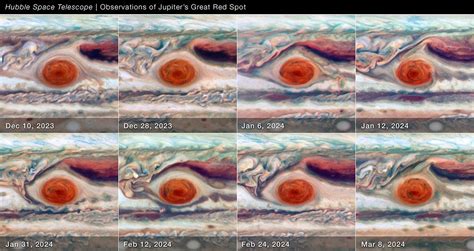
Attempting to land on these giants would be an exercise in futility. Any spacecraft would be crushed by the intense atmospheric pressure long before reaching any discernible surface.
A Journey to Pluto: Vastness Redefined
The staggering distances in our solar system are exemplified by the remote dwarf planet, Pluto. If we were to embark on a journey to Pluto aboard a standard commercial airplane traveling at 900 km/h, it would take over 800 years to reach our destination.
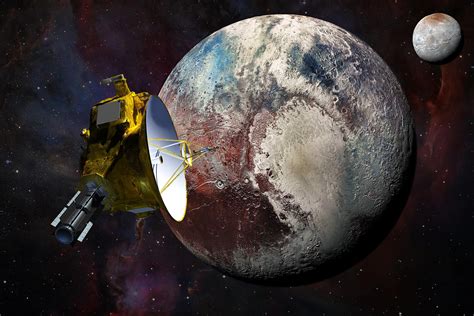
This simple comparison highlights not only the remoteness of Pluto but also the monumental achievement of NASA’s New Horizons mission, which traversed this immense distance in just under a decade, delivering unprecedented images and data.
The Growing Threat of Space Junk
Orbiting Earth at velocities exceeding 28,000 kilometers per hour are roughly 500,000 pieces of human-made debris. This space junk includes decommissioned satellites, spent rocket stages, and even small items like tools accidentally dropped during International Space Station operations.
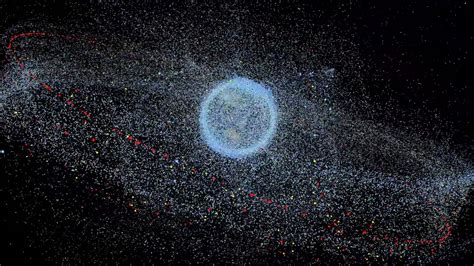
The accumulation of this debris presents a mounting risk to operational spacecraft and satellites, prompting serious discussions on space sustainability and debris mitigation strategies.
Invisible Visitors: Asteroid Encounters
Every year, Earth’s atmosphere welcomes the fiery demise of an asteroid roughly the size of a car. These space rocks typically disintegrate due to the intense heat generated by atmospheric entry, resulting in dramatic, but harmless, fireballs known as bolides.
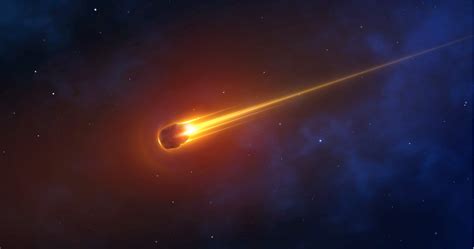
While most of these asteroids pose no threat to the surface, tracking Near-Earth Objects (NEOs) remains a critical component of planetary defense programs.
Vesta: Home to a Towering Giant
Asteroid Vesta boasts the highest known mountain in the solar system, with its peak rising an incredible 22 kilometers above the surrounding terrain. This towering feature, named Rheasilvia, dwarfs Earth’s Mount Everest by nearly threefold.
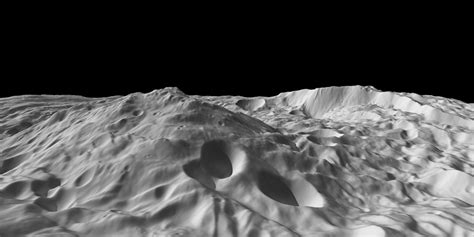
Such colossal formations on small bodies like Vesta challenge our understanding of geological processes and reveal the violent histories of celestial collisions.
A Universe Overflowing With Stars
When contemplating the sheer number of stars in the cosmos, the figures become almost inconceivable. Astronomers estimate there are at least one billion trillion stars scattered across the observable universe—outnumbering all the grains of sand on every beach on Earth.
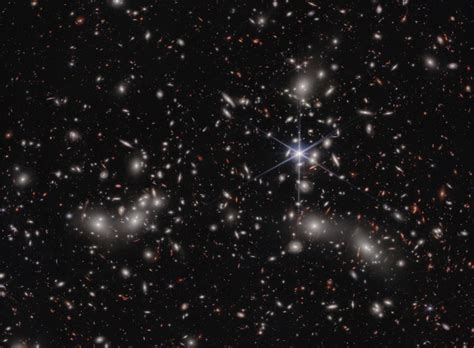
Each of these stars could host planetary systems, raising the tantalizing possibility of countless worlds teeming with life or possessing the conditions necessary for life to emerge.
A Blue Sunset on the Red Planet
One of Mars’ many surreal features is its blue sunset. Unlike Earth’s fiery reds and oranges, the dusty Martian atmosphere scatters sunlight differently. Dust particles absorb longer wavelengths of light (reds and yellows) and let the shorter blue wavelengths pass through more easily, creating an ethereal azure twilight.
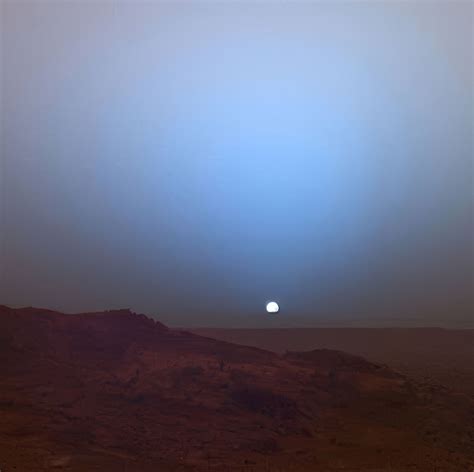
This phenomenon not only offers stunning imagery but also provides critical data about the composition and behavior of the Martian atmosphere, informing future human exploration missions.
Conclusion: The Endless Wonders of the Cosmos
As we expand our scientific reach and technological capabilities, the wonders of space continue to challenge and inspire us. Each discovery reshapes our understanding of the universe and reaffirms the boundless potential for new knowledge. From the monumental scale of the Sun to the delicate mystery of blue Martian sunsets, space remains a final frontier, rich with secrets waiting to be unveiled.