The aviation industry has always treated weight as destiny. Every pound onboard an aircraft affects fuel burn, climb performance, safety margins, and long-term operating costs. For decades, airlines have chased marginal gains by shaving ounces from seats, galleys, catering carts, and even in-flight magazines. What no one anticipated is that the next major weight revolution may come not from engineering labs, but from pharmacies.
The rapid rise of Ozempic and other GLP-1 weight-loss drugs is quietly reshaping the physical profile of American travelers. As these medications move from niche prescriptions to mass-market adoption, they introduce an external force powerful enough to disrupt one of aviation’s most fundamental assumptions: the average passenger weight used by the Federal Aviation Administration. That assumption underpins safety calculations, fuel planning, and aircraft performance models across the entire U.S. airline system.
Aviation history shows that even trivial reductions in mass produce disproportionate financial returns. When United Airlines switched its Hemispheres magazine to lighter paper, the airline saved hundreds of thousands of dollars annually in fuel by cutting mere ounces per seat. Multiply that effect across tens of millions of passengers, and the stakes become impossible to ignore. The Ozempic era may force the FAA into a long-overdue recalibration of how human weight is modeled in the sky.
Slimmer Passengers, Structural Consequences
The defining feature of GLP-1 receptor agonists is not just weight loss, but consistency. Users often experience reductions of 15% to 20% of body weight within a year, sustained over time with continued use. That level of uniformity matters because aviation planning depends on averages, not outliers. When millions of passengers simultaneously shift downward in weight, the statistical center moves with them.
Ozempic’s cultural inflection point arrived when weight-loss treatment became normalized, discreet, and pharmaceutical rather than surgical. The transition from injectable drugs to oral pills removed psychological and logistical barriers that once limited adoption. As accessibility increases, the demographic spread widens beyond high-risk patients into mainstream travelers who fly frequently for business and leisure.
By any historical standard, this is unprecedented. Obesity rates once pushed the FAA to revise passenger weight assumptions upward. Now, the same agency faces pressure in the opposite direction. If even a fraction of forecasts materialize, current weight tables will begin overstating real passenger mass, quietly distorting aircraft performance calculations on every flight.

Why the FAA’s Weight Model Suddenly Looks Fragile
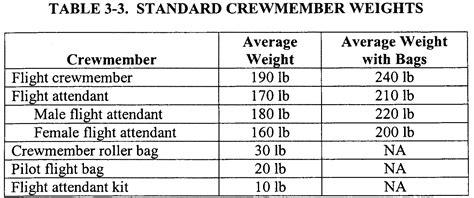
The FAA does not weigh individual passengers. Instead, it relies on standard average passenger weights, derived from federal health data, surveys, and statistical modeling. These figures are embedded into Advisory Circular 120-27F and serve as the backbone for weight-and-balance calculations across commercial aviation.
These averages influence how much fuel is loaded, how takeoff speeds are calculated, and where the aircraft’s center of gravity is assumed to sit. When averages drift away from reality, inefficiencies creep in. Overestimating passenger weight forces airlines to carry excess fuel as a safety buffer. That fuel itself adds weight, creating a compounding penalty.
The FAA last adjusted these numbers upward in response to rising obesity. Reversing that trend is not merely a technical correction; it is an institutional challenge. Regulators move slowly for good reason, but biological change driven by pharmaceuticals does not wait for bureaucratic cycles. As GLP-1 adoption accelerates, the mismatch between assumed and actual passenger weight will become measurable, then costly.

Fuel Economics and the Billion-Dollar Feedback Loop
Fuel is the airline industry’s most volatile expense, and weight is one of the few variables airlines can indirectly influence. Every pound removed from an aircraft reduces drag and thrust requirements across the entire flight profile. Even fractional improvements scale rapidly when applied across fleets flying thousands of daily segments.
Analysts estimate that a 10% reduction in average passenger weight could lower total aircraft weight by roughly 2%, translating into fuel savings of up to 1.5%. For major U.S. carriers spending tens of billions annually on fuel, this represents hundreds of millions in potential savings without changing a single aircraft.
What makes this shift remarkable is that it requires no capital investment from airlines. There are no new engines, no retrofits, no certification delays. The benefit arrives organically, embedded within the passenger population itself. Reduced fuel burn also means lower emissions, extending the impact beyond balance sheets into regulatory compliance and environmental targets.
Operational Precision and Safety Implications
Weight accuracy is not just an economic issue; it is a safety imperative. Aircraft performance calculations depend on precise assumptions about mass and balance. Overestimating passenger weight leads to conservative fuel loads and suboptimal performance settings. Underestimating it, however, carries obvious risks.
As passenger weights decline unevenly across routes, seasons, and demographics, the FAA’s reliance on static averages becomes increasingly blunt. Airlines already have the option to conduct actual weight surveys to refine their own numbers. A sustained societal weight shift could push more carriers toward these programs, improving accuracy while highlighting inconsistencies in federal guidance.
This transition would mark a subtle but meaningful change in how human variability is treated within aviation safety models. The Ozempic effect does not introduce new risk; it exposes outdated assumptions that have quietly persisted for years.

A Rethink the FAA Cannot Postpone
Regulatory systems are designed for stability, not speed. Yet the scale and velocity of GLP-1 adoption challenge that philosophy. When biological change reshapes national averages, regulators must respond or risk embedding inefficiency into the system they oversee.
A recalibration of passenger weight standards would ripple outward, affecting aircraft certification margins, performance planning software, and airline cost structures. It would also signal that the FAA recognizes pharmaceutical innovation as an external variable capable of reshaping aviation fundamentals.
Ozempic was never designed with aviation in mind. Yet its impact may extend from medicine cabinets to cockpits, quietly reducing fuel burn, emissions, and costs across the global airline industry. In doing so, it forces a simple but unavoidable conclusion: when passengers change, the rules of flight must change with them.