Most people are familiar with the tachometer in a car, where engine speed is measured in revolutions per minute (RPM). A typical passenger vehicle idles at around 600 to 1,000 RPM and may reach a redline between 6,000 and 7,000 RPM. Performance cars, motorcycles, and racing machines can spin much faster. Jet engines, however, operate under an entirely different engineering philosophy, making RPM comparisons both fascinating and surprisingly complex.
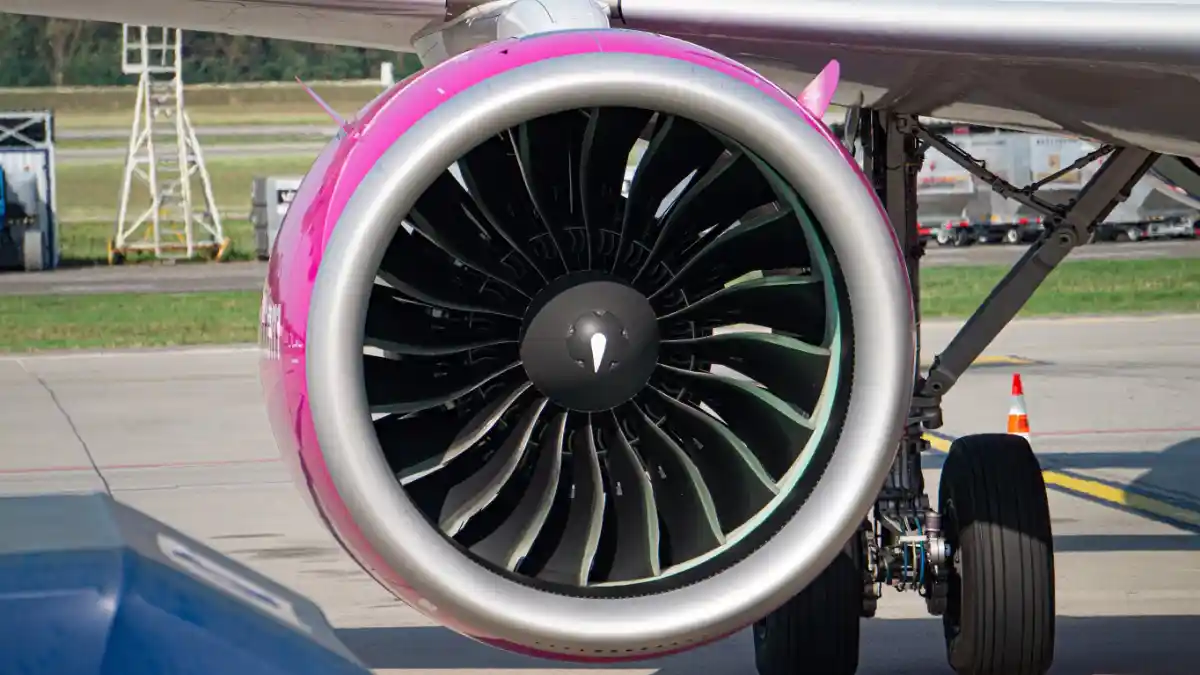
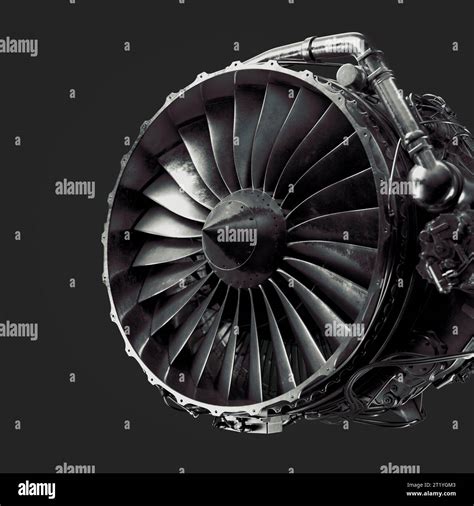
Unlike a car engine, a modern turbofan jet engine does not rely on a single crankshaft. Instead, it contains multiple rotating assemblies, including compressors and turbines mounted on separate shafts. Each section may spin at a different speed depending on its role in generating thrust and maintaining airflow through the engine.
Because of this multi-shaft design, there is no single RPM figure that defines an entire jet engine. Engineers typically measure the rotational speed of the high-pressure and low-pressure sections independently. These components work together to compress air, mix it with fuel, and generate the enormous thrust needed to propel commercial airliners across continents.
Understanding Jet Engine RPM
One of the most widely used jet engines in aviation history is the CFM56, the best-selling commercial jet engine ever produced. Found on numerous variants of the Boeing 737 and other aircraft, this turbofan engine provides a useful benchmark for understanding jet engine rotational speeds.
According to manufacturer data and engineering references, the high-pressure turbine of the CFM56 can reach a maximum rotational speed of approximately 15,183 RPM. Meanwhile, the low-pressure turbine operates at a significantly lower speed, reaching roughly 5,380 RPM at its limit.
These figures reveal an interesting reality. While jet engines produce dramatically more power than automobile engines, some of their rotating components do not necessarily spin at dramatically higher RPMs. Instead, jet engines achieve their performance through massive airflow volumes, advanced aerodynamics, and highly efficient turbine designs.
How Jet Engine RPM Compares to Car Engines
A standard family sedan typically reaches maximum engine speeds between 6,000 and 7,000 RPM. Sports cars may push beyond 8,000 RPM, while legendary high-revving vehicles such as the Honda S2000 can approach 9,000 RPM.
At the extreme end of automotive engineering, Formula 1 power units and some racing motorcycles have historically exceeded 15,000 RPM. This places the high-pressure turbine of a CFM56 jet engine in a surprisingly similar RPM range to elite motorsport machinery.
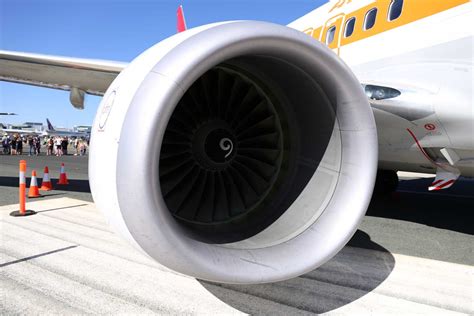
The low-pressure turbine, by contrast, spins at speeds comparable to many road-going vehicles. Despite this seemingly modest RPM figure, it contributes to generating tens of thousands of pounds of thrust—far beyond anything achievable by a conventional automobile.
Why RPM Alone Doesn’t Measure Power
RPM is only one part of the performance equation. A jet engine’s incredible capability comes from moving enormous quantities of air and converting fuel energy into thrust with exceptional efficiency. Even though some turbine sections rotate at speeds comparable to cars, the scale of airflow and energy involved is vastly greater.
As a result, the average jet engine operates in an RPM range that overlaps with high-performance automotive engines, yet delivers a level of propulsion that exists in an entirely different league.