The aerial rivalry between India and Pakistan has long been a defining aspect of South Asia’s security dynamics. Both nations maintain formidable air forces, each shaped by decades of foreign partnerships, indigenous innovation, and combat experience. The recent high-profile skirmishes, including Operation Sindoor, have reignited global interest in how these two adversaries stack up in terms of air power capability, strategy, and geopolitical alignment.
The Historical Context of South Asia’s Aerial Tensions
India and Pakistan’s air conflict history dates back to their first war in 1947-1948 and has since included major engagements in 1965, 1971, and the Kargil conflict in 1999. The air domain has become an increasingly critical theater of operations, reflecting the broader nuclear-armed standoff that defines their rivalry. With each conflict, both countries have refined their doctrines, upgraded their fighter fleets, and forged deeper ties with global arms suppliers, from Russia and China to the United States and France.
India’s Air Power: Rafale, Sukhoi, and MiG Dominance
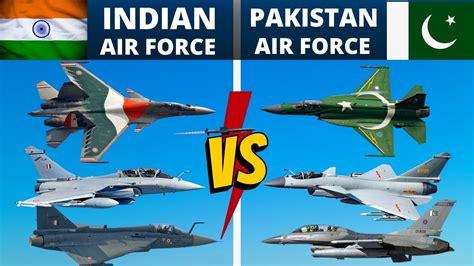
The Indian Air Force (IAF) commands one of the largest air fleets in Asia, with a total of 616 combat aircraft as of 2025. At the apex of its capabilities is the Dassault Rafale, a 4.5-generation multirole fighter jet sourced from France. India procured 36 Rafales, renowned for their high maneuverability, superior avionics, and advanced missile systems. The Rafale is equipped with the Meteor air-to-air missile, giving it an extended beyond-visual-range (BVR) strike capability that few in the region can match.
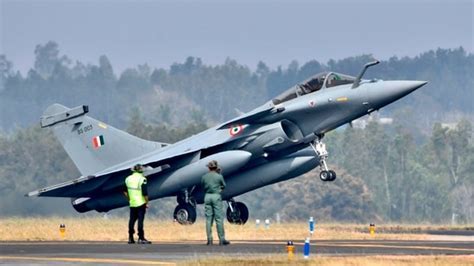
Beneath the Rafale in India’s aerial hierarchy are the Su-30MKI and MiG-29 fleets. India operates approximately 260 Su-30MKIs, a twin-engine fighter co-developed with Russia that serves as the backbone of the IAF’s offensive and defensive strategy. With deep-strike capabilities, high agility, and compatibility with BrahMos cruise missiles, the Su-30MKI is a formidable platform. Complementing it are 65 MiG-29s, primarily used for air superiority roles.
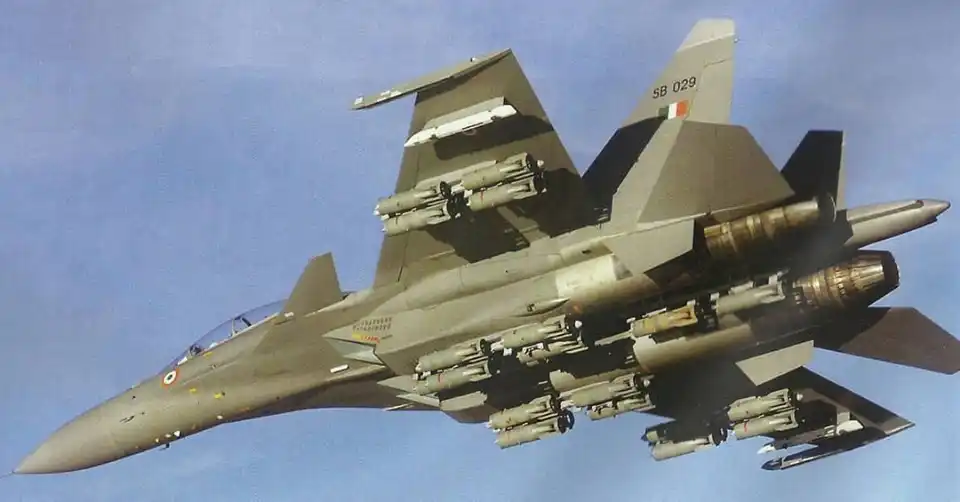
India’s air force also includes a range of support and legacy aircraft, but its modernization efforts emphasize multirole flexibility, advanced radar systems, and electronic warfare capabilities to secure air dominance across the Indo-Pacific.
Pakistan’s Rising Force: J-10CE, JF-17, and the F-16 Legacy
Pakistan’s air force, though numerically smaller at 387 combat aircraft, leverages tactical innovation and a growing technological edge through Chinese and American partnerships. The cornerstone of its modernization is the Chengdu J-10CE, a 4.5-generation fighter. Pakistan has ordered 36 J-10CEs, with 20 already deployed as of 2025. These aircraft feature advanced phased array radar, precision-guided munitions, and are designed to counter high-end threats like the Rafale.

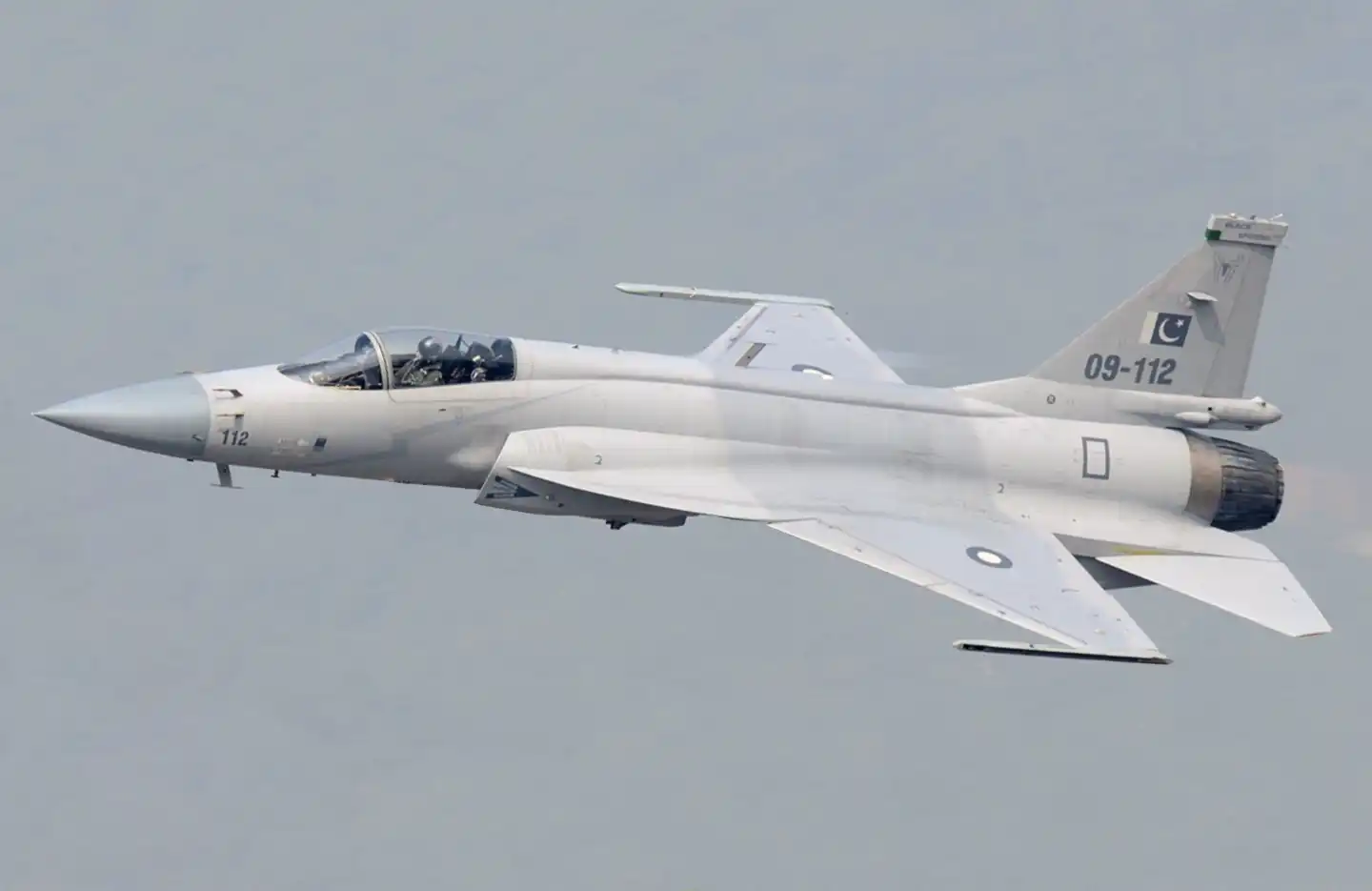
In addition to the J-10CE, Pakistan fields a significant fleet of 156 JF-17 Thunder jets, co-developed with China. These versatile aircraft are highly cost-effective, allowing for high sortie rates and adaptable mission profiles. The JF-17 has been steadily upgraded with block improvements that enhance its avionics, weapons integration, and survivability.
Rounding out Pakistan’s primary fleet are 76 F-16 Fighting Falcons, acquired from the United States. Although the F-16 remains a potent multirole fighter, its operational scope is constrained by end-user agreements that limit certain uses, particularly in offensive operations against India.
Recent Clashes: Operation Sindoor and the Largest Dogfight
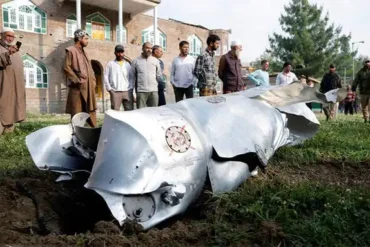
The most recent confrontation, sparked by Operation Sindoor, underscored the volatility of the India-Pakistan air equation. India’s precision strikes against militant targets in Pakistan-administered territory provoked a swift and overwhelming aerial response from Pakistan. According to Pakistani sources, the engagement involved 125 aircraft and lasted over an hour—one of the most extensive air battles in recent history.
Pakistan claims to have shot down five Indian jets, including as many as three Rafales. While India disputes these losses, independent sources, including a French intelligence official, have corroborated the downing of at least one Rafale. This incident marks a significant event, not just tactically, but also strategically, as it highlights the evolving capabilities of Pakistan’s Chinese-built fighters against one of the world’s premier combat aircraft.
Geopolitical and Strategic Considerations
The broader strategic calculus extends beyond simple air force numbers. India, aligned with the United States and Quad allies, must balance its air power between two nuclear-armed neighbors: Pakistan and China. This bifurcation of focus means that in a conflict scenario, India cannot commit all its assets solely to Pakistan. Conversely, Pakistan, though numerically inferior, can concentrate its entire force on a single front, offering a tactical advantage in a short-term conflict.
China’s deepening defense ties with Pakistan further complicate the picture. The J-10CE and JF-17 platforms symbolize more than air power—they are the material manifestation of Beijing’s strategic interest in bolstering Islamabad’s deterrent posture. Similarly, Russia continues to support India’s aviation ambitions, with ongoing upgrades to the Su-30MKI and collaboration on next-generation platforms.
Strengths and Weaknesses: A Comparative Assessment
While India retains the numerical superiority and access to a broader array of high-end platforms, its operational reality is shaped by geography, multi-front threats, and the logistical complexity of maintaining diverse aircraft fleets. Pakistan, by contrast, operates a leaner, more homogenous force structure, which allows for faster decision-making and integration, particularly in real-time combat scenarios.
Pakistan’s reliance on China, however, introduces supply chain vulnerabilities, especially under sanction scenarios or in the event of strained Sino-Pakistani relations. India’s reliance on multiple foreign suppliers, including France, Russia, and the United States, presents its own challenges but also offers strategic flexibility.
What the Future Holds
Both air forces are aggressively pursuing modernization. India is advancing its indigenous Tejas Mark 2 and Advanced Medium Combat Aircraft (AMCA) projects, aiming for greater self-reliance and stealth capability. Pakistan is working closely with China on newer JF-17 variants and is rumored to be exploring stealth technology transfers.
The next major test of air dominance may not be a dramatic dogfight but a contest of network-centric warfare, electronic countermeasures, and long-range precision strikes. As unmanned aerial vehicles (UAVs) and space-based assets become more integrated, the definition of air superiority is expanding beyond traditional metrics of aircraft count and dogfighting prowess.
Conclusion: A Delicate Balance of Power
The India-Pakistan air war equation remains precarious and unpredictable. While India’s air force holds a quantitative and technological edge, Pakistan’s tactical cohesion and growing Chinese support inject substantial counterweight. Each new clash, whether publicized or shrouded in secrecy, tests the mettle of both nations’ airmen and the resilience of their military-industrial complexes.
In the shadow of nuclear deterrence, both air forces continue to evolve, not merely to seek victory in combat but to prevent escalation through credible deterrence. As new technologies emerge and old rivalries endure, the skies over South Asia will remain a critical frontier of strategic competition for years to come.