The Airbus A380 redefines not only the passenger experience in the skies but also sets a new benchmark for how flight crews manage rest during long-haul journeys. Unlike older aircraft where cabin crew were limited to makeshift rest spaces or jumpseats tucked behind curtains, the A380 incorporates a fully integrated, concealed rest area designed to ensure optimal recovery, alertness, and safety.
Purpose-Built Crew Rest Areas Below Deck
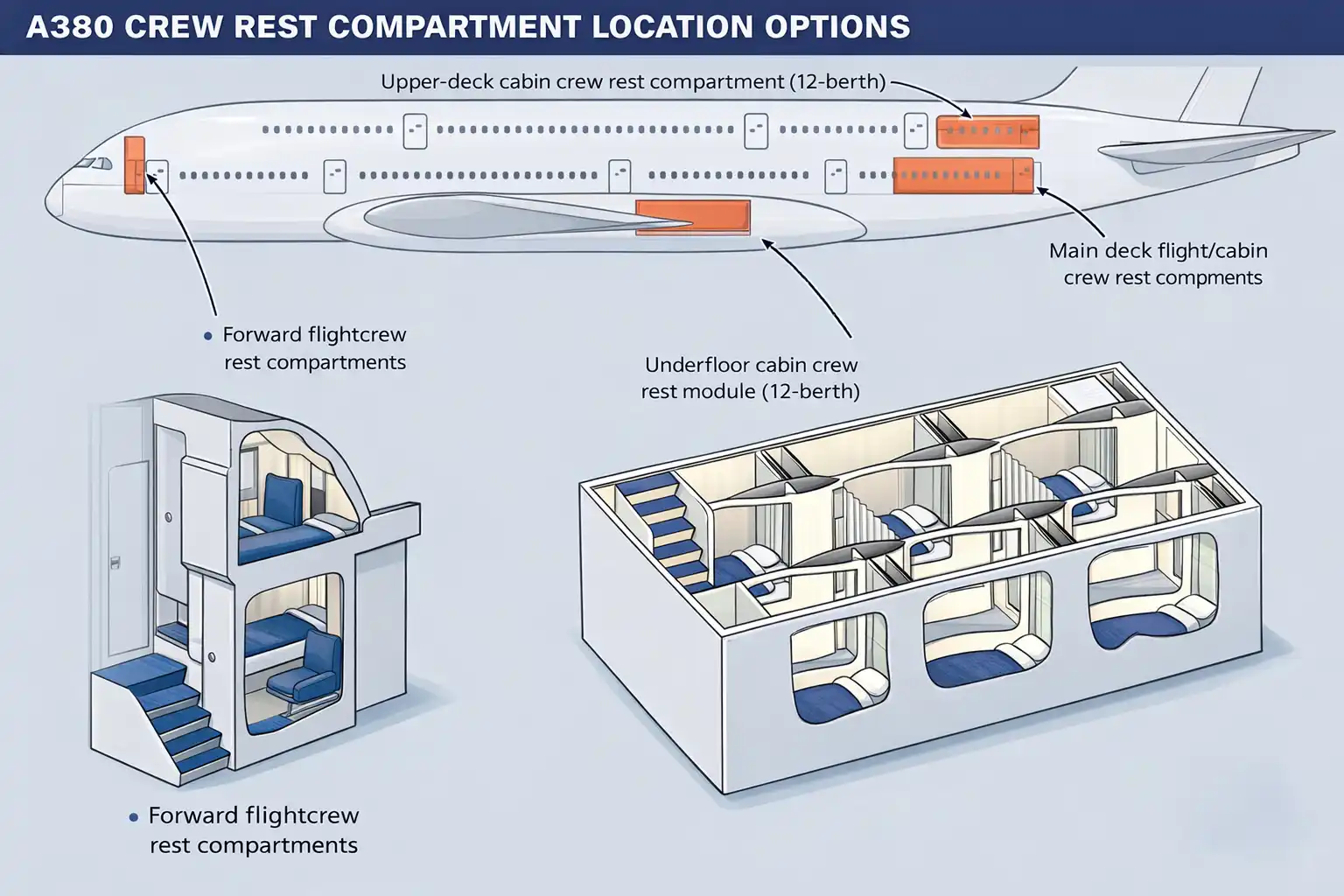
The Airbus A380 is unique in its architecture, boasting three distinct levels: the main deck, the upper deck, and a dedicated lower-deck rest compartment exclusively for the cabin crew. These hidden areas are positioned below the main passenger level—carefully tucked away from the hustle of inflight service—to provide a noise-insulated, calm zone where off-duty crew members can rest.
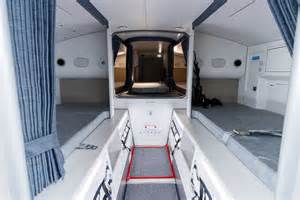
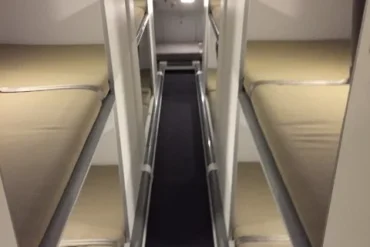
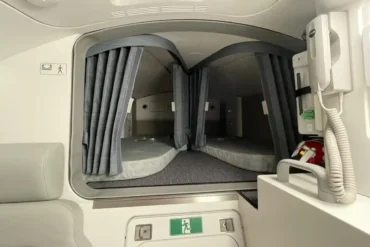
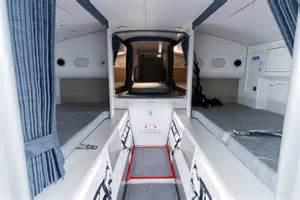
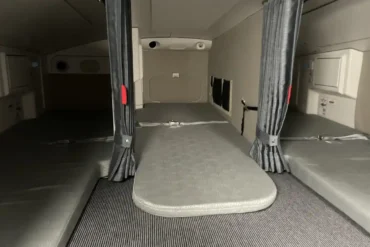
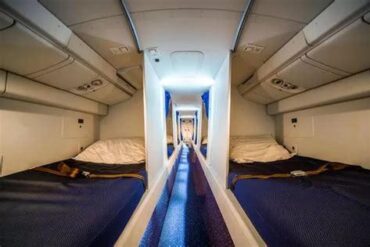
Designed for functionality and comfort, these rest zones usually feature bunk-style sleeping berths with sound-dampening curtains and individual lighting. The layout is utilitarian but deliberate—built to allow flatbed rest in a controlled environment. Each bunk is equipped with:
- Padded mattresses for actual sleep, not just reclining.
- Adjustable reading lights for personalized comfort.
- Individual ventilation for air circulation and temperature control.
- Power outlets for charging devices.
- Mirrors, hooks, and compartments for small belongings.
- Safety gear such as oxygen masks and seatbelt indicators.
The result is a calm, cocoon-like setting ideal for recuperation. The controlled ambiance enables the crew to remain fresh, alert, and ready to respond to emergencies such as turbulence, medical incidents, or evacuations at any point in the flight.
Hidden In Plain Sight: Accessing the Rest Modules
Passenger interactions with these crew rest areas are virtually nonexistent, by design. Access to the cabin crew quarters is typically hidden behind what looks like an innocuous panel labeled discreetly with a “crew only” sign. It might be embedded along the economy cabin walls—often between rows 65 and 66.
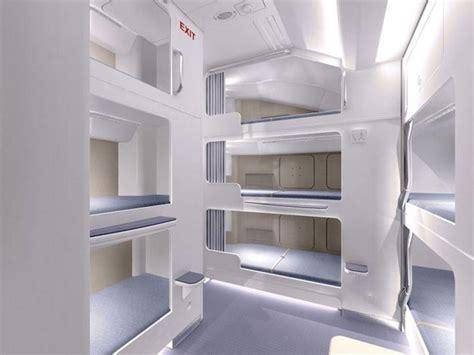
Opening that panel reveals a narrow, steep staircase leading down to the underfloor crew rest module, a 12-berth compartment in most A380 configurations. This design not only maintains the aircraft’s sleek appearance but ensures the safety and privacy of the flight crew.
Interestingly, this bunkroom placement takes over space that could otherwise be used for cargo. This tradeoff demonstrates just how important crew welfare is to A380 operators. Some airlines have even gone further, integrating emergency escape hatches within these compartments to allow for fast evacuation if standard pathways are blocked—further reinforcing the role of these areas in flight safety architecture.
Compact But Capable: What It’s Like Inside
Stepping into the bunk module strips away the grandeur of the A380’s upper decks. There are no windows. No panoramic lighting. No luxury. Instead, it’s a world of functionality and focus, with crew sleeping spaces arranged like stacked pods.
Each bed is a solitary capsule, allowing the crew to lie completely flat. These bunks are neither social nor luxurious—they are built for short, effective sleep. Reading lights can be dimmed or turned off. Curtains are heavy enough to block sound. Each unit comes with basic but essential amenities to minimize movement during sleep and reduce disturbance.
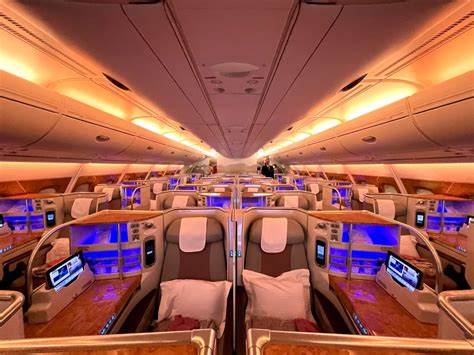
Social media users often call these areas claustrophobic, and that is a fair observation. However, these spaces are not built for comfort in the way passenger suites are. They are functional tools in long-haul crew management—vital to keeping the aircraft’s operations smooth and its staff mentally and physically capable.
Separation of Pilots and Cabin Crew
Rest accommodations are separated by role. Pilots, who face long durations of high-concentration work, are typically given a distinct area for deeper rest, often located adjacent to the flight deck itself. This space is more open than the crew module and usually includes a reclining armchair and a full-length bunk, optimized for relaxation and quick re-engagement with flight controls.
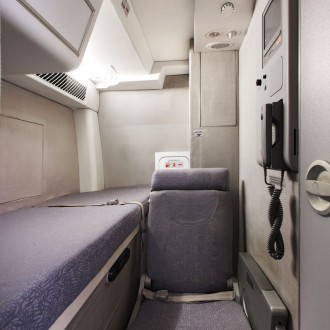
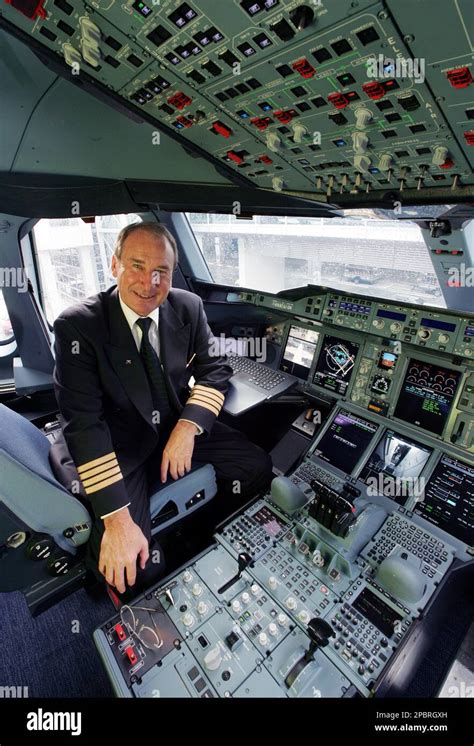
Some airlines like Emirates have chosen to relocate pilot rest areas to the lower deck, combining both sets of sleeping quarters for better spatial efficiency. Even so, the level of comfort and design remains tailored to the demands of each role. Pilots are expected to return to the cockpit well-rested and sharp, hence their area is crafted to a slightly higher standard.
This division ensures that both groups—cabin crew and pilots—are provided with rest solutions matched to their responsibilities, ensuring operational safety at every stage of the journey.
The Science of Crew Rotations
On an ultra-long-haul flight that can stretch between 8 and 17 hours, well-orchestrated crew rest schedules are critical. These aren’t random breaks—they’re embedded into the airline’s operating manual and agreed upon during pre-flight briefings.
Before the plane leaves the gate, teams are assigned to zones and specific duties. This allows for staggered breaks, where one group finishes a round of service and seamlessly hands over responsibilities to the next. Every detail is pre-planned:
- Who answers the call bells
- Who monitors the galley
- Who tracks passenger needs
Crew typically get 4 to 6 hours of rest in each rotation depending on flight duration, staffing, and cabin class configurations. The objective is not luxury but rather functional recovery—enough downtime to remain fresh and competent for the rest of the flight.
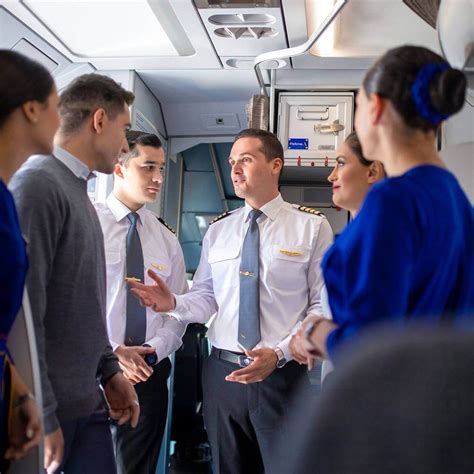
The synchronized nature of this rotation prevents the cabin from ever feeling unattended while ensuring that the crew doesn’t experience exhaustion, which can impact safety and service quality.
Why the Airbus A380 Is a Crew Favorite
The A380 has long been a crew favorite, and it’s easy to see why. Its massive frame not only allows airlines to transport hundreds of passengers but also provides ample backstage space for the humans operating the flight.
Airlines appreciate the A380’s ability to seamlessly blend revenue generation with operational comfort. By shifting crew rest modules below deck, they preserve cabin space for passengers while safeguarding crew well-being.
From the crew’s perspective, the aircraft is far more manageable during long-hauls, thanks to:
- Generous rest accommodations
- Strategic layout of crew resources
- Reduced noise due to spatial separation
- Design features that prioritize rest and re-entry to duty
Pilots enjoy additional cockpit redundancy, better rest design, and the reassurance of an aircraft engineered for ultra-long-haul consistency. It’s this harmony of form and function that elevates the A380’s reputation among aviation professionals.
A Hidden World That Keeps the Cabin Running Smoothly
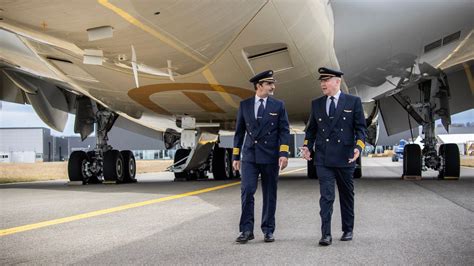
The average passenger may never realize it, but the crew rest system is foundational to the flight experience. The energy and attention from a smiling flight attendant, or the sharp judgment of a pilot during approach, all stem from the few quiet hours they were able to spend in the belly of the jet.
These rest areas are not a perk—they are an operational necessity. Their existence on the A380 is a prime example of aviation engineering putting human endurance at the heart of design.
Next time you’re flying across continents and enjoying a seamless, attentive cabin service well into the 10th hour of flight, remember that beneath your feet lies a world designed to make that experience possible—a quiet, narrow, utilitarian world where the people responsible for your safety and comfort are catching the rest they need to serve you best.