Ultra-long-haul aviation has quietly transformed the rhythm of global travel. Journeys that once demanded stopovers now stretch across continents in a single, uninterrupted arc, keeping passengers airborne for up to 20 hours or more. While travelers settle into seats, watch movies, and attempt sleep, another story unfolds behind the cabin curtain—a carefully orchestrated cycle of rest, recovery, and readiness that keeps cabin crew functioning at their best.
Understanding how cabin crew rest and sleep during these marathon flights reveals a fascinating balance between human endurance, strict regulation, and clever aircraft design. It is not simply about finding time to sleep—it is about preserving alertness in an environment that defies natural body rhythms.
Where Cabin Crew Sleep: Hidden Spaces Above and Below the Cabin
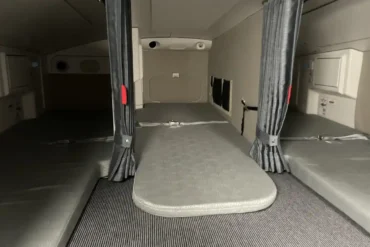
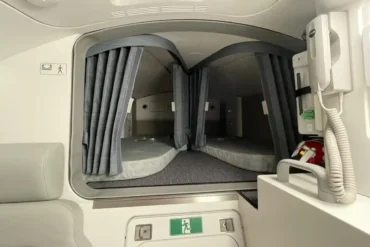
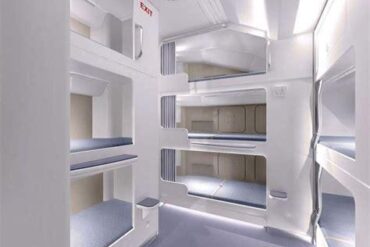
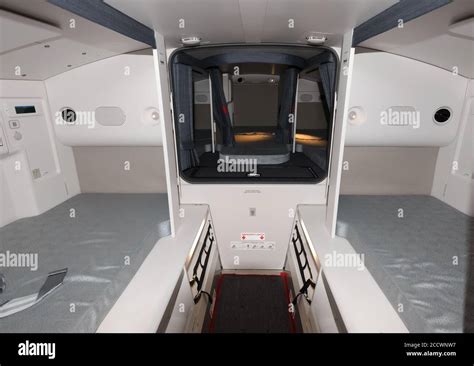
Cabin crew rest areas are among the most intriguing and least-seen parts of modern aircraft. Invisible to passengers, these compact compartments are typically located either above the main cabin ceiling or beneath the passenger deck. Their placement is strategic—far enough from the busiest areas to allow relative quiet, yet accessible in case of emergencies.
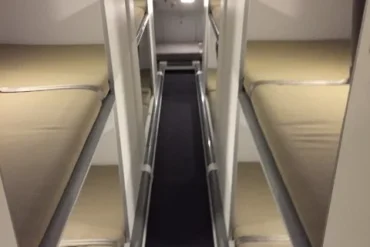
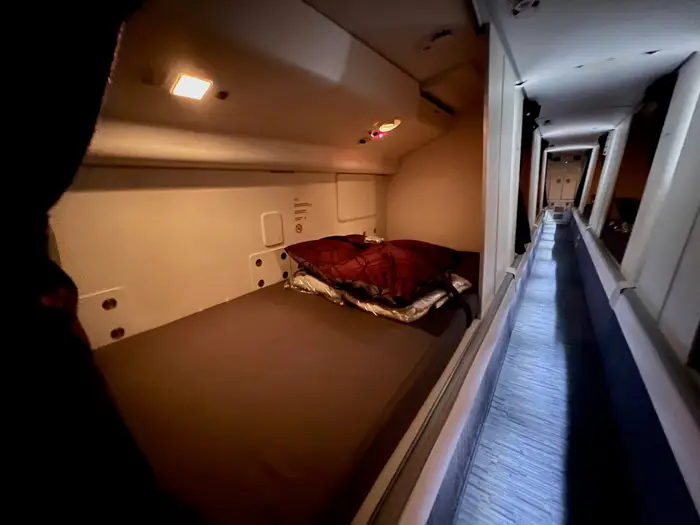
Inside, the space is surprisingly minimal. Rows of narrow bunks line the walls, often stacked in a one-up, one-down configuration or arranged side-by-side. Curtains or sliding partitions provide a degree of privacy, though the environment remains inherently shared and functional rather than luxurious. The design prioritizes efficiency over comfort, ensuring that multiple crew members can rest in a limited footprint.
Each bunk includes essential items: a thin mattress, pillow, blanket, and—critically—a seatbelt. Turbulence is more pronounced toward the rear of the aircraft, where many cabin crew rest areas are located, making it essential for resting crew members to remain securely strapped in even while asleep. Small reading lights, ventilation nozzles, and compact storage compartments add just enough practicality to make the space usable.
Despite the confined nature, these areas serve a vital purpose. Without them, sustaining alertness over ultra-long-haul duty periods would be nearly impossible.
The Reality of Sleeping at 35,000 Feet
Sleeping on an aircraft is never quite the same as sleeping on the ground, and for cabin crew, the challenge is even more pronounced. The rest environment is influenced by constant background noise from engines, subtle vibrations, fluctuating cabin temperatures, and the psychological awareness of being on duty.
Even when fatigue sets in, falling asleep is not guaranteed. The human body is deeply tied to circadian rhythms, and flying across time zones disrupts this internal clock. A crew member might be expected to sleep during what their body perceives as midday, or stay alert during what feels like the middle of the night.
Temperature also plays a role. Crew rest compartments can feel noticeably cooler than the passenger cabin, prompting many crew members to bring personal comfort items such as travel pillows, lightweight blankets, or even small thermal accessories. Changing out of uniform into more relaxed clothing is another common strategy to encourage rest.
Yet, despite these efforts, sleep is often fragmented. It is not unusual for crew members to drift in and out of light sleep rather than achieving deep, restorative rest. Even so, these short periods of downtime are essential in maintaining cognitive function and reaction time.
How Rest Periods Are Strategically Scheduled
Cabin crew rest is not random—it is meticulously planned around the structure of the flight. On a typical long-haul journey, service is divided into two major phases: shortly after takeoff and again before landing. Between these service windows lies the critical period for rest.
Crew members are split into groups, with one group resting while the other remains on duty. After a designated period—usually between 90 minutes and 3.5 hours—they rotate. This ensures that at any given time, a fully alert team is present in the cabin.
The concept of a 90-minute rest period is particularly significant. It aligns closely with one full sleep cycle, allowing the body to achieve a degree of recovery even within a limited timeframe. While not perfect, this approach helps reset alertness levels and reduce fatigue.
Timing these rest periods requires precision. Factors such as flight duration, time zones crossed, and expected turbulence all influence how rest is allocated. The goal is to maximize effectiveness rather than simply maximize duration.
Fatigue Management: Training the Body to Adapt
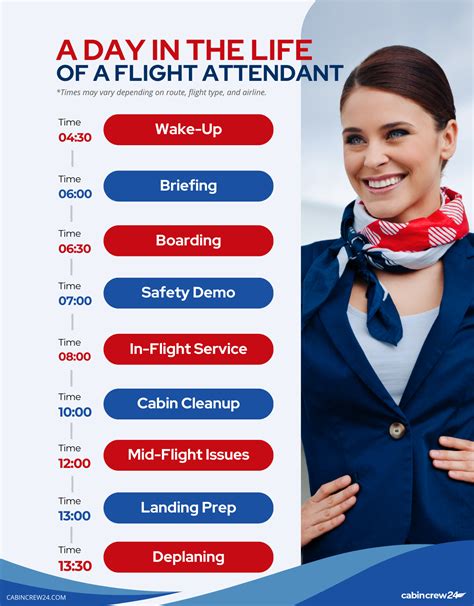
Cabin crew undergo specialized training in fatigue management, learning how to prepare their bodies for irregular schedules and demanding duty periods. This training extends beyond the aircraft, shaping how crew members approach sleep before and after flights.
Before a night departure, for example, crew may take a pre-flight nap to “bank” rest. After landing, especially on long-haul routes, the priority often shifts immediately to sleep—even if it is daytime at the destination. This ability to sleep on demand becomes a crucial skill over time.
Hydration, nutrition, and light exposure are also carefully managed. Drinking sufficient water helps counteract the dehydrating effects of cabin air, while strategic exposure to natural light can help reset circadian rhythms. Some crew prefer to adapt to the destination time zone, while others maintain their home schedule—both approaches are valid, depending on individual physiology.
Adrenaline adds another layer of complexity. During flights, especially overnight sectors, the body may remain alert due to the responsibility of ensuring passenger safety. In these moments, rest may involve simply lying down, listening to music, or watching content rather than achieving full sleep.
The Role of Aircraft Design in Crew Rest
Modern aircraft are increasingly designed with crew well-being in mind, particularly as flight durations extend. Innovations in cabin pressurization, humidity control, and noise reduction benefit both passengers and crew, but rest areas still present unique challenges.
The location of crew rest compartments can influence sleep quality. Overhead modules tend to be quieter but may feel more enclosed, while lower-deck areas can experience more vibration. Designers must balance these factors while adhering to strict safety and weight constraints.
Lighting is another critical element. Adjustable lighting systems help simulate day and night cycles, encouraging the body to wind down or wake up as needed. Ventilation systems are also optimized to maintain airflow in these compact spaces, preventing them from becoming stuffy or uncomfortable.
As ultra-long-haul flights become more common, airlines are exploring ways to improve these environments further—potentially incorporating better sound insulation, more ergonomic bedding, and even individualized climate controls.
Regulations That Govern Rest and Duty Limits
Behind every rest period lies a framework of strict aviation regulations designed to ensure safety. Authorities impose limits on how long crew members can work, how much rest they must receive, and how schedules are structured.
Duty periods typically begin at check-in and end after the aircraft is parked and shut down. For long-haul operations, this can extend up to 13 hours or more, with limited flexibility. Mandatory rest periods between flights ensure that crew members have sufficient time to recover before their next duty.
Weekly and monthly limits also apply, restricting total working hours and flight time. These rules are not arbitrary—they are grounded in extensive research on fatigue and human performance. Violating them would significantly increase the risk of errors, making compliance essential for operational safety.
For ultra-long-haul flights exceeding standard durations, additional crew members are assigned. This allows for extended rest rotations and ensures that no individual is required to remain on duty for excessive periods.
Ultra-Long-Haul Flights: Pushing Human Limits
Flights approaching or exceeding 20 hours represent a new frontier in aviation. These journeys challenge not only aircraft capabilities but also human endurance. For cabin crew, the experience can feel like compressing two workdays into one continuous duty period.
On such flights, rest becomes even more critical—and more difficult. Missing a full night’s sleep, or even two, can have measurable effects on cognitive performance. Reaction times slow, attention wanes, and decision-making becomes more taxing.
Airlines address this by increasing crew numbers and extending rest opportunities. However, space constraints limit how much rest infrastructure can be added. Every additional bunk or crew member impacts weight, fuel consumption, and overall efficiency.
This delicate balance between operational feasibility and human performance defines the future of ultra-long-haul travel.

Life After Landing: Recovery and Reset
For cabin crew, the journey does not end when the aircraft touches down. After hours of service and fragmented rest, the priority shifts to recovery. Many crew members head straight to their hotel rooms to sleep, regardless of local time.
This immediate rest is essential in preventing cumulative fatigue. Without it, the effects of sleep deprivation can carry into subsequent flights, compounding over time.
Recovery strategies vary widely. Some crew adapt quickly to the destination time zone, while others maintain a connection to their home schedule. Physical activity, such as a short walk outdoors, can help reset the body, while proper hydration and balanced meals support overall recovery.
Returning home presents another challenge. Early-morning arrivals often require daytime sleep, which can be difficult due to natural light and daily routines. Over time, experienced crew develop personalized strategies to manage these transitions effectively.
The Future of Crew Rest in Aviation
As airlines continue to push the boundaries of distance, the question of crew rest becomes increasingly important. Future developments may include redesigned rest modules, more flexible scheduling systems, and enhanced fatigue monitoring technologies.
There is also growing interest in understanding the long-term effects of ultra-long-haul operations on crew health. While current regulations provide a strong foundation, evolving flight profiles may require new approaches to ensure sustainability.
Airlines are already experimenting with improved rest environments, recognizing that well-rested crew are not just a regulatory requirement but a cornerstone of passenger safety and service quality.
Why Cabin Crew Rest Matters More Than Ever
Behind every smooth long-haul journey lies a team managing fatigue with precision and discipline. Cabin crew are not simply serving meals or assisting passengers—they are safety professionals who must remain alert, responsive, and composed at all times.
Rest is not a luxury in this context; it is a necessity. Every minute spent in a bunk, every carefully timed rotation, and every post-flight recovery strategy contributes to the overall safety of the flight.
As ultra-long-haul travel becomes more common, the hidden world of crew rest will only grow in importance. It is a reminder that even in an age of advanced technology, human performance remains at the heart of aviation—and taking care of it is essential for reaching new horizons safely.