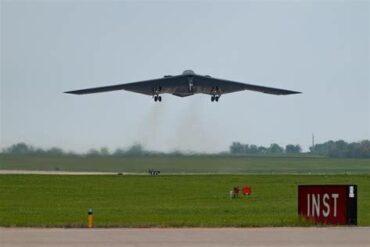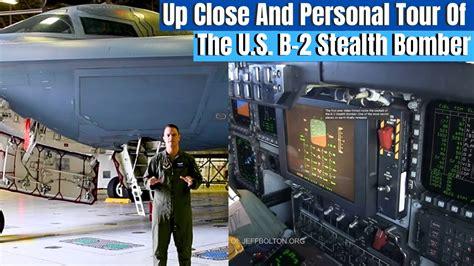
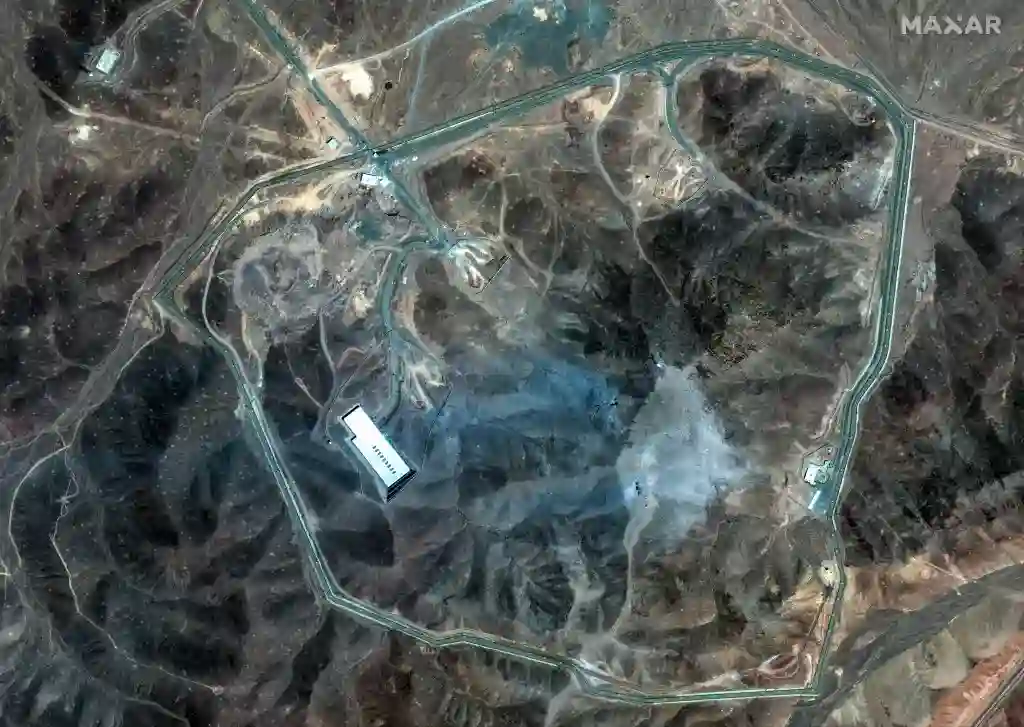
For 37 grueling hours, two-man crews aboard the B-2 Spirit stealth bombers executed one of the most daring and longest-range bombing missions in modern U.S. military history. The target: Iran’s Fordow nuclear enrichment plant, buried deep beneath the mountains of Qom. The mission, dubbed Operation Midnight Hammer, was not just a test of military might but of human endurance, stealth engineering, and meticulous coordination.
The Fordow Strike: A Modern Epic of Long-Range Air Power
Taking off from Whiteman Air Force Base in Missouri, the fleet of seven B-2 bombers soared into the skies on a global trek spanning two continents and multiple in-air refuelings. Designed during the Cold War to deliver nuclear payloads to Soviet targets, the B-2s remain a critical component of America’s long-range strike capability. The latest mission was a direct response to heightened tensions and intelligence reports on activities inside Iran’s subterranean nuclear labs.
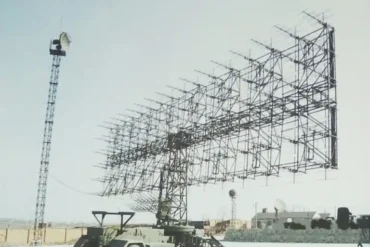
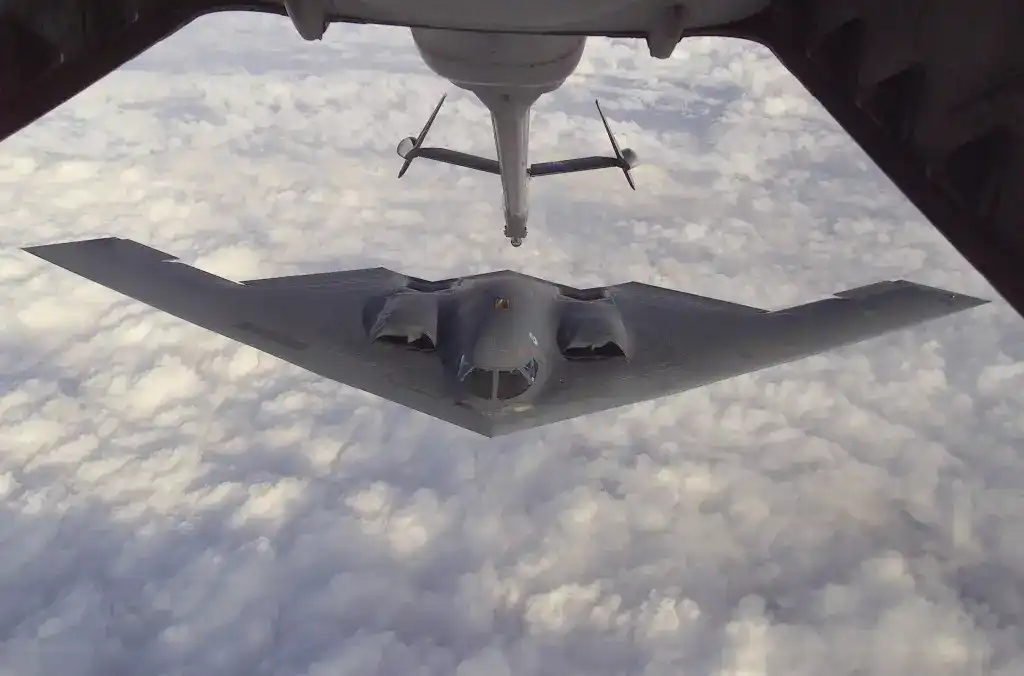
The route was perilous, the timing exact. According to Lt. Gen. Daniel Caine, the bombers flew in near-total radio silence, linking up with escort fighter jets and refueling tankers across narrow air corridors. This required clockwork-level coordination in international airspace — all while remaining undetected by enemy radar systems.
Life Inside the Cockpit: Enduring the 37-Hour Ordeal
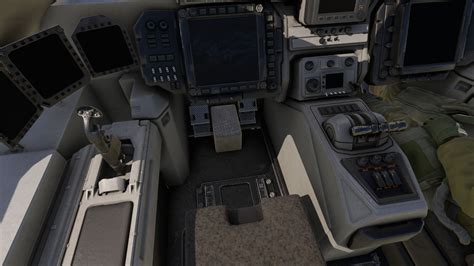
Though the B-2 looks sleek and futuristic from the outside, the cockpit tells a different story — one of practicality, resilience, and sheer endurance. The aircraft seats only two pilots, who must manage a blend of manual flight duties, onboard systems, and critical decision-making under intense pressure.
To survive a nearly two-day mission, the B-2 is outfitted with unexpected amenities for such a high-stakes platform:
- A compact toilet is integrated into the limited space, allowing pilots to maintain focus without compromising basic needs.
- A small microwave oven provides the capability to heat pre-packed meals, which are vital for energy and alertness.
- A mini cooler allows for cold storage of drinks and snacks — essential for morale and sustenance.
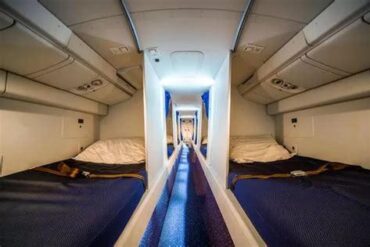
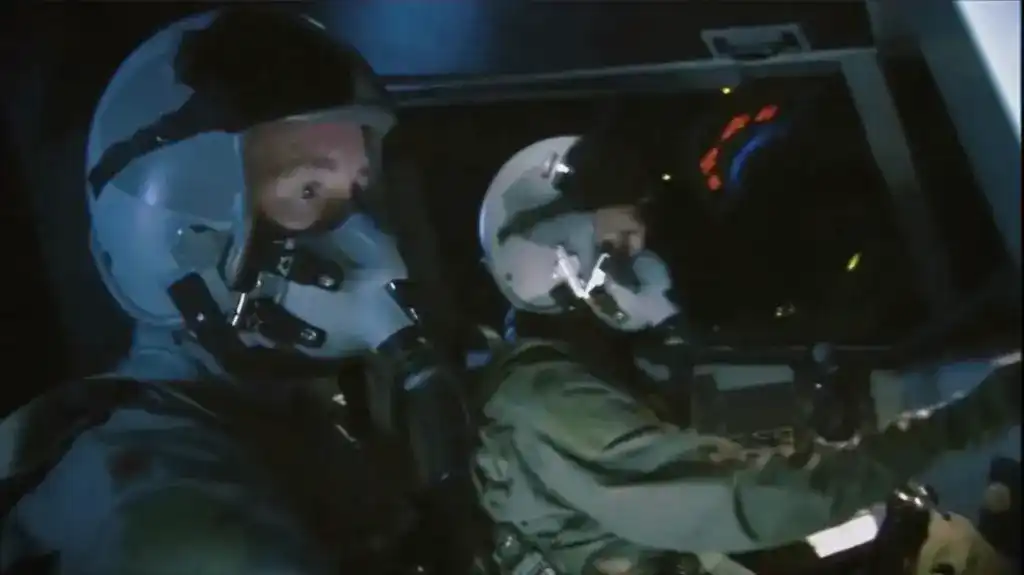
The cockpit also allows one pilot to recline and rest, albeit in extremely confined quarters, while the other manages the aircraft. Past missions have seen crews bring cots or camping pads to ease the discomfort of sleeping inside a pressurized war machine for such prolonged periods.
Stealth, Precision, and Bunker-Busting Firepower
The B-2’s hallmark is its low-observable stealth technology, enabling it to penetrate heavily defended airspace without detection. During Operation Midnight Hammer, the lead B-2 dropped two GBU-57 Massive Ordnance Penetrators (MOPs) — 15-ton, bunker-busting bombs designed to obliterate deeply buried targets.
These weapons are among the most powerful in the U.S. arsenal, capable of punching through 200 feet of reinforced concrete. The Fordow complex, built deep beneath solid rock, required nothing less. A total of 14 MOPs were deployed across two nuclear sites, each targeted with laser precision. It was the first confirmed use of these munitions in combat.
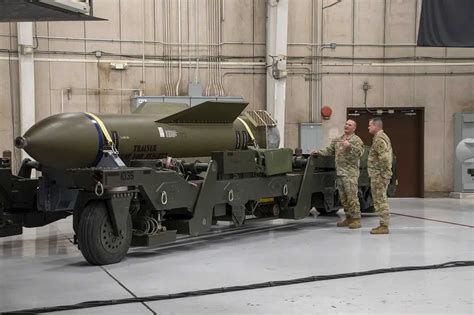
The mission lasted 25 minutes once inside Iranian airspace, starting at 6:40 p.m. ET on Saturday. The bombers struck swiftly and silently, finishing their strike window before Iranian forces could mobilize a response. Surveillance and targeting were guided by satellite and support aircraft, ensuring zero civilian casualties and full mission success.
A Multinational Ballet in the Sky
The B-2s were not alone. As they approached Iranian airspace, they were joined by a coalition of support aircraft, including fighter jets for air cover and tankers for aerial refueling. The maneuver — spanning multiple countries’ airspace — demanded secrecy, timing, and international cooperation.
“The B-2s linked up with escort and support aircraft in a complex, tightly timed maneuver requiring exact synchronization across multiple platforms in a narrow piece of airspace,” said Caine. Communications were kept to an absolute minimum to avoid interception or detection.
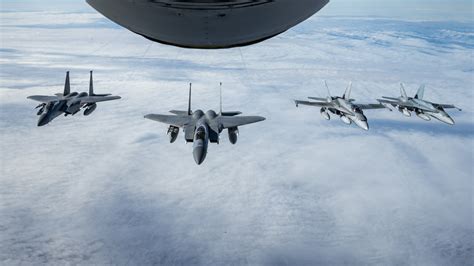
The entire strike group returned to base without a scratch — a testament to both the aircraft’s engineering and the professionalism of the crews involved.
Historical Context: Echoes of the Afghanistan Invasion
This was the longest B-2 bomber mission since the opening strike on Afghanistan following the September 11, 2001 attacks. That mission, widely hailed as a turning point in modern warfare, also demonstrated the aircraft’s unparalleled reach and endurance.
But unlike the post-9/11 raids, Operation Midnight Hammer occurred under the shadow of escalating tensions with Iran over its nuclear program. Intelligence suggested rapid enrichment activity at Fordow, prompting U.S. leadership to authorize a show of force that combined stealth with surgical precision.
President Donald Trump, in a statement on Truth Social, praised the mission: “There is not another military in the world that could have done this.” His statement was echoed by defense analysts, many of whom noted the symbolic and strategic importance of using the B-2 for such a high-profile strike.
Engineering a Flying Fortress
The B-2 is not just a bomber; it’s an engineering marvel. With a wingspan of 172 feet, it resembles a flying bat — a profile that contributes to its radar-evading abilities. Costing more than $2 billion apiece, the fleet consists of just 19 operational aircraft, following the loss of one in a 2008 crash.
Each aircraft is packed with advanced avionics, flight automation, and precision-guided delivery systems. Despite its sophistication, the aircraft remains vulnerable to the limits of human endurance — which is why the integration of seemingly mundane items like a toilet and microwave becomes critically important.
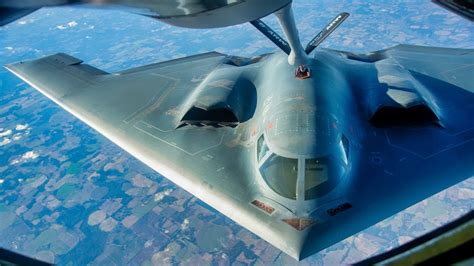
Automation handles a significant portion of the flight path and navigation, but the crew must remain alert for sudden changes, emergency maneuvers, or evolving mission parameters. The margin for error is razor-thin, and exhaustion is a known adversary.
Global Implications and Tactical Brilliance
The success of the mission sent a powerful message to adversaries and allies alike. It reaffirmed the U.S. military’s ability to project power globally, with precision and restraint. It also highlighted the continued relevance of strategic bombers in modern warfare, even in an era dominated by drones and hypersonic missiles.
As tensions in the Middle East and Persian Gulf region escalate, the B-2’s role as a quiet enforcer becomes even more critical. Its stealth, long-range reach, and heavy payload capacity allow it to strike preemptively, and silently, anywhere on the planet.
Operation Midnight Hammer demonstrated that air superiority is not just about weapons, but also endurance, discipline, and resilience. The cockpit of a B-2, with its snacks, sleeping pads, and microwave dinners, is not just a war machine — it’s a crucible of human capability, operating in one of the most unforgiving arenas imaginable.
Conclusion: Mission Success in the Shadows
The 37-hour Fordow bombing raid will go down as one of the most complex and flawlessly executed airstrikes in American military history. From the cramped cockpit to the precision-guided explosions beneath Iran’s mountains, the operation was a masterclass in stealth warfare.
As future missions evolve, the lessons from this flight — of technological integration, human adaptability, and strategic daring — will shape the next generation of American airpower. The B-2 Spirit remains a phantom in the skies, but its legacy grows louder with every silent strike.