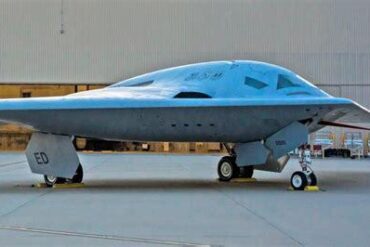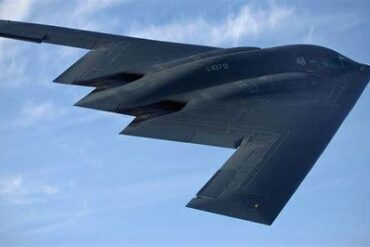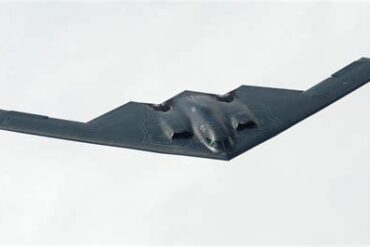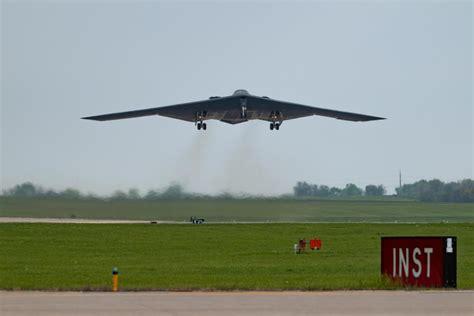
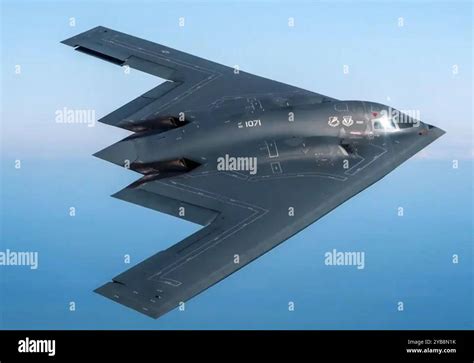
In military circles and online discussions, one peculiar and fascinating question continues to resurface: “Are HALO jumps possible from the B-2 Spirit stealth bomber?” This speculation stirs images of elite operators hurtling from the bomb bay of America’s most secretive aircraft under the cloak of invisibility. While Hollywood tropes and military fiction ignite the imagination, the reality is far less cinematic, rooted in the hard science of physics, engineering limitations, and strategic doctrine.
Understanding HALO Operations and Their Purpose
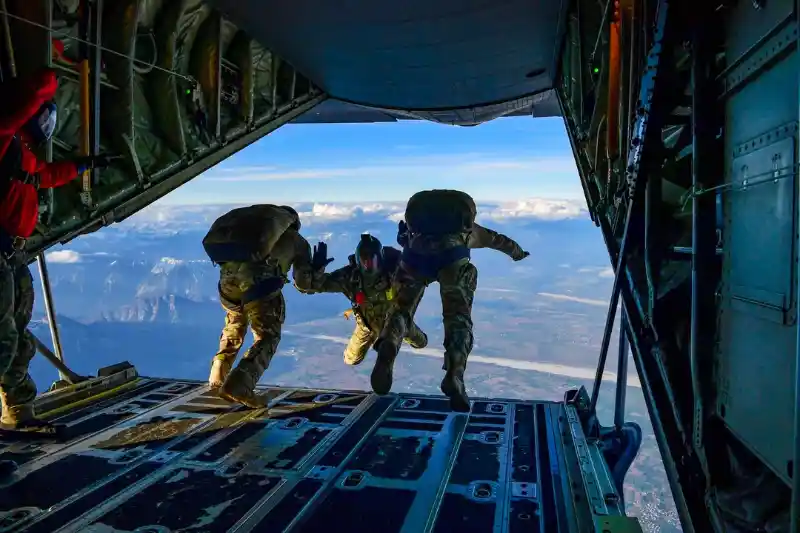
High Altitude, Low Opening (HALO) parachute jumps are a type of military free-fall insertion technique designed to deliver special operations forces (SOF) into hostile or denied areas with minimal detection. The tactic involves jumping from altitudes typically between 15,000 to 35,000 feet, with parachute deployment occurring at very low altitudes to evade radar and visual spotting.
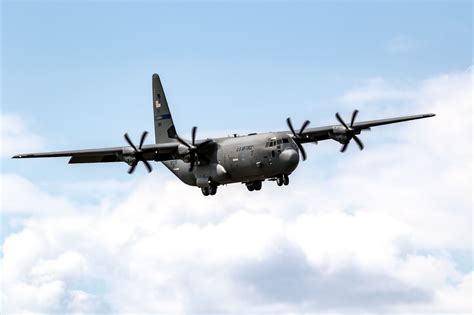
To execute such missions, SOF relies on specially equipped cargo aircraft like the C-130 Hercules and C-17 Globemaster III, which provide necessary space, oxygen systems, and safe airspeeds for high-altitude jumps. This raises an immediate and practical question: Can a B-2 Spirit, a bomber designed for stealth nuclear strikes, support HALO operations?
Why the B-2 Is Not Suited for HALO Insertions
Design Purpose and Mission Profile
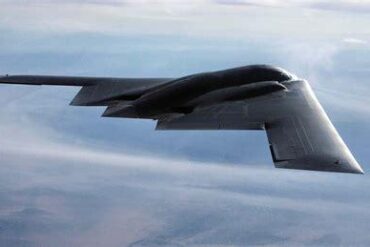
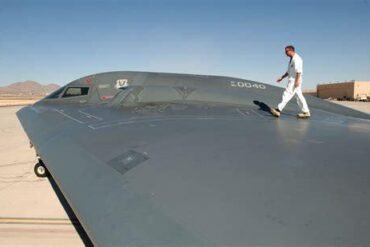
The Northrop Grumman B-2 Spirit was not engineered for personnel transport or special forces operations. It is a strategic stealth bomber, optimized to penetrate dense air defense networks and deliver precision ordnance—not parachutists. The aircraft’s design prioritizes radar-absorption, electronic evasion, and long-range flight.
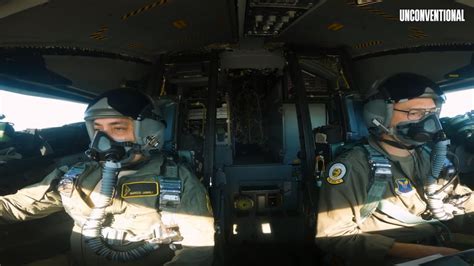
Internally, the B-2 offers only a small pressurized crew compartment that fits two pilots, a microwave, and a basic toilet. There is no internal cabin large enough to host a team of jump-ready operators or essential life support gear such as oxygen consoles, medical supplies, or personal equipment racks needed for 24-hour pre-jump readiness.
Weapons Bay Environment
The B-2’s bomb bay, which some speculate could act as a jump exit point, is not only unpressurized but also unheated and oxygen-deprived. At operational altitudes of 40,000–50,000 feet, temperatures plummet to -75°F or colder, and oxygen levels are near non-existent. This environment is lethal to unprotected humans and unviable for a controlled parachute exit.
Even if operators were equipped with full pressure suits and onboard oxygen, the exposure to rapid decompression and environmental instability would make stabilization during freefall nearly impossible. The parachutes themselves may not deploy correctly in such conditions, leading to catastrophic failure.
Speed and Windblast Risks
Cargo aircraft used in HALO insertions typically reduce speed to around 120 knots during exit. This minimizes windblast and ensures safe deployment. The B-2, however, cruises at speeds around 560 knots (645 mph). Even if it were slowed significantly, its wing structure and aerodynamic profile are not conducive to jump stability.
Jets that are used in some ejection scenarios mitigate windblast through specially designed seats and air deflectors, but even then, crews often suffer from facial lacerations, dislocated limbs, or torn-off gear due to high-speed airflow. A human body jumping unaided into such a torrent would face severe trauma, if not death.
Stealth Compromises and Tactical Tradeoffs
To enable a HALO jump, the B-2 would have to open its weapons bay and reduce altitude and speed, nullifying its stealth advantage. It would also likely require extensive modifications: pressure pods, heating systems, jump consoles, emergency recovery tech, and extraction protocols—all of which would compromise the aircraft’s low radar cross-section and acoustic footprint.
Given the B-2’s extremely limited fleet size and immense strategic value, modifying one for HALO operations would be both prohibitively expensive and operationally irresponsible.
Workarounds Imagined — and Why They Don’t Work
Despite clear limitations, military enthusiasts and even real-world engineers have speculated about potential solutions.
Drop Pods and External Insertion Modules
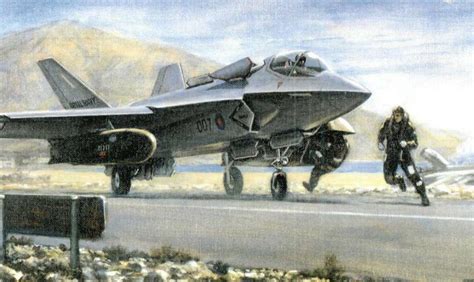
The concept of Exint (Extraction/Insertion) pods, once tested on aircraft like the Sea Harrier and Apache, envisions externally mounted, personnel-carrying modules. Some Redditors drew comparisons to sci-fi tropes like Escape from New York or Star Trek’s photon torpedo drop pods. Others referenced fictional adaptations of F-35 travel pods for stealth insertions.
While exciting, these ideas fail on technical grounds. Once released, any modular pod detaches from the aircraft’s stealth systems. It becomes a radar-reflective object, compromising the mission. Worse, the disintegration or separation of a pod to release jumpers at altitude introduces aerodynamic chaos and safety hazards. This would turn HALO into a one-way suicide mission unless a robust, stealth-friendly extraction was guaranteed.
Physiological and Regulatory Realities
The human body is not inherently designed to function at extreme altitudes. HALO jumps above 18,000 feet require jumpers to engage in pre-breathing pure oxygen for 30 minutes to 2 hours to prevent hypoxia or decompression sickness (the bends). This procedure is supported by trained oxygen techs, medical personnel, and specific FAA and DOD air safety protocols.
Most HALO operations occur between 12,000–15,000 feet, where these requirements are minimized. B-2 bombers rarely fly at altitudes compatible with human exit without support. A veteran Military Free Fall Jumpmaster (MFF JM) of 16 years notes that jumps above 20,000 feet are rare, miserable due to cold and hard to spot landing zones from. Even among elite forces, “Hollywood jumps” at lower altitudes are far more common.
When Fiction Fuels Real-World Curiosity
The absurdity of HALO jumps from a B-2 was not lost on military Redditors, who peppered the conversation with dark humor and wild scenarios: SOF operators strapped to rotary bomb racks, jumping from old space suits inherited by Space Force, and ejection toilets doubling as escape pods. Fictional accounts like John Ringo’s “Paladin of Shadows” were cited, where such insertions do occur in narrative, though the series was both lauded and criticized for its extreme content.
Such satirical speculation underscores the cultural fascination with elite military technology and covert missions. However, fantasy must not obscure fact: No operational doctrine or engineering rationale currently supports HALO jumps from a B-2.
What Aircraft DO Support HALO and Stealth Insertions?
Real-world special operations insertions are supported by aircraft built for versatility, lift, and adaptability.
• C-130 Hercules and C-17 Globemaster III: Provide climate control, jump platforms, oxygen support, and safe exit speeds.
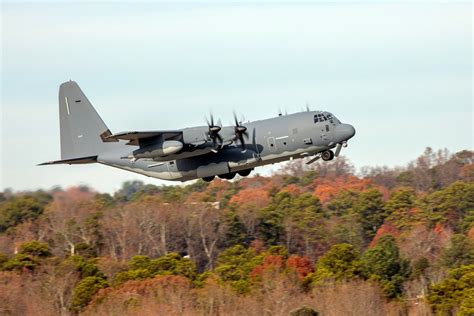
• MC-130J Commando II: Specifically modified for SOF insertions with advanced avionics and precision airdrop systems.
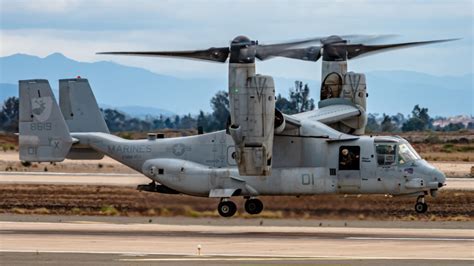
• V-22 Osprey: Used in some missions for vertical lift and medium-range insertion.
• High-Altitude High-Opening (HAHO): A stealthier alternative to HALO, allowing teams to glide over long distances (tens of kilometers) under radar-transparent parachutes, far from drop aircraft.
These platforms offer repeatable, safe, and effective insertion methods without compromising stealth or operator survivability.
Final Verdict: Technically Imaginable, Practically Implausible
While it’s technically feasible to imagine HALO jumps from the B-2 through bespoke engineering, the operational, logistical, and safety barriers make it an impractical fantasy. The B-2’s purpose as a stealth bomber precludes it from being used as a personnel carrier. Modifying such an asset would waste a strategic resource for a role already fulfilled more efficiently by existing aircraft.
In the end, it’s not about whether the military can engineer a solution—but whether they should. And when it comes to launching elite soldiers from 50,000 feet in the belly of a stealth bomber, the answer remains a resounding no.