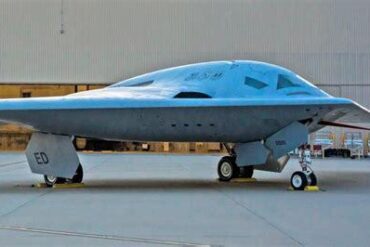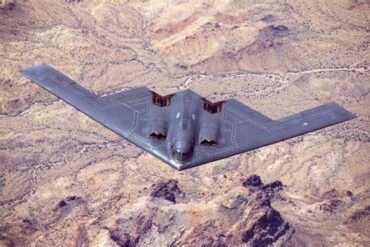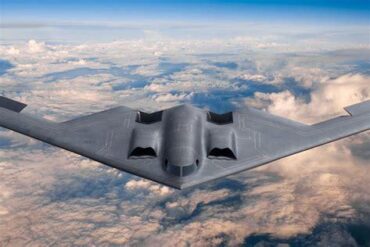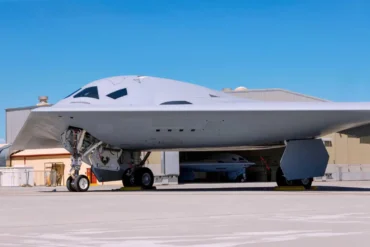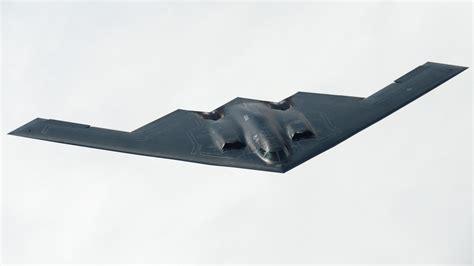
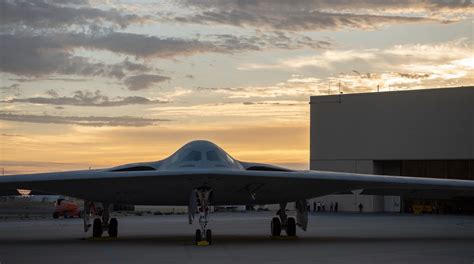
The repair of a United States Air Force B-2 Spirit Bomber—tail number 89-0129, known as the Spirit of Georgia—was not merely a case of replacing damaged parts. It became a vivid illustration of the extreme complexity, precision, and strategic significance involved in sustaining one of the most advanced stealth aircraft in the world. What began with a seemingly localized failure in September 2021 at Whiteman Air Force Base turned into a four-year engineering and logistics saga that tested the full capabilities of the Air Force’s repair infrastructure and defense industry.
The Incident That Grounded a $2 Billion Icon
On September 14, 2021, a hydraulic failure crippled the aircraft’s left main landing gear lock during final approach. The emergency gear deployment system was triggered, but it failed to hold. Upon touchdown, the gear collapsed, causing the wing to scrape violently against the runway. Though no one was injured, the B-2 suffered extensive structural damage—especially to its stealth-configured wing, a core component of its radar-evading design.
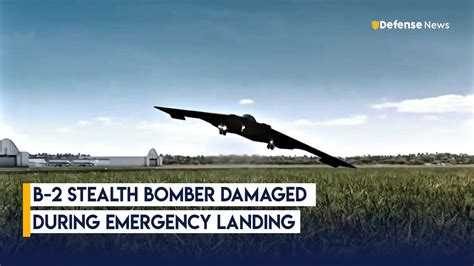
What made the issue extraordinarily difficult to resolve was not just the visible damage, but the uncertainty surrounding the aircraft’s structural integrity. The airframe’s stealth geometry had to remain within precise tolerances to maintain radar-absorbing performance. Engineers couldn’t simply replace a wing segment; they had to validate the load-bearing capacity of composite components, ensure stealth functionality was preserved, and prepare for a possible long-haul ferry flight—all while upholding the bomber’s strategic relevance.
Preparing for the First Move: Temporary Repairs for a Critical Flight
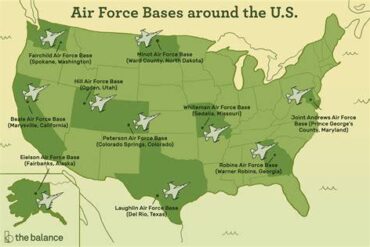
Before full repairs could even begin, the aircraft needed to be flown from Whiteman to Plant 42, the premier depot facility for deep maintenance of stealth aircraft. This required temporary fixes robust enough to allow a one-time ferry flight, despite the damage. According to Air Force documentation, this interim repair program cost $52 million but shaved nine months off the overall repair timeline.
The path to that ferry flight was steep. Engineers executed laser dimensional checks, conducted finite-element analysis, and installed custom temporary reinforcements. These steps allowed the aircraft to safely reach Plant 42 by September 22, 2022, more than a year after the incident occurred. The complexity and duration of this first stage foreshadowed the challenges ahead.
A High-Stakes Stealth Reconstruction at Plant 42
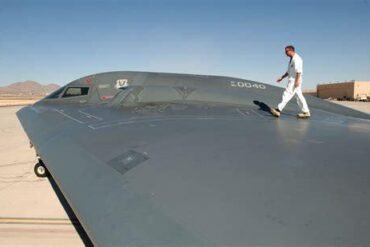
Once at Plant 42, the Spirit of Georgia underwent a four-phase composite rebuild unlike any in recent Air Force history. The core of this task was to restore the stealth geometry of the aircraft’s wing—a process that involved not just structural rebuilding but the recreation of low observable materials, surface coatings, and precise panel alignment.
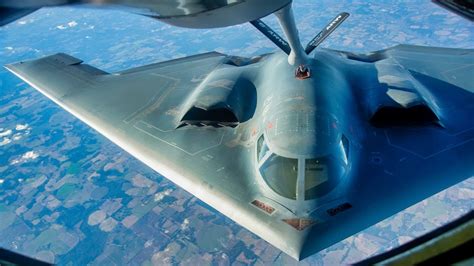
A team of engineers designed a custom repair methodology, tested it on simulated composite panels, and scaled it up to larger components. This wasn’t a straightforward manufacturing challenge—it involved highly sensitive thermal management, surface contamination cleanup (particularly around fuel tank areas), and long-cycle curing of composite materials.
By May 12, 2025, structural repairs were completed. Following this milestone, the bomber entered a phase of extensive ground and flight testing to ensure that airworthiness and stealth performance met original specifications. The final airworthiness certification confirmed that the Spirit of Georgia could once again join the operational fleet. Its first post-repair flight occurred on November 6, 2025.
The Cost of Preservation: Financial and Strategic Analysis
The permanent repair package carried a price tag of $23.7 million—a figure that might appear modest given the B-2’s estimated $2 billion unit cost. Combined with the earlier ferry-flight repair cost, the total investment stood at approximately $75 million. But as the Air Force noted, these expenditures avoided far greater costs, both financially and strategically.
The temporary repair phase alone saved an estimated $52 million in potential schedule delays. Perhaps more importantly, the successful reconstruction created a blueprint for future composite aircraft repairs, including the refinement of the scarf-repair process, which involves gradual blending of composite material edges for high-strength joins. These innovations enhance readiness across the stealth bomber fleet and lay foundational expertise for the upcoming B-21 Raider program.
Operational Impacts and Strategic Implications
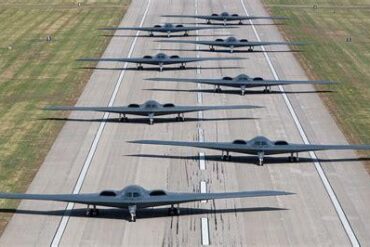
Beyond repair logistics, the four-year grounding of the Spirit of Georgia carries significant operational implications. The B-2 fleet comprises only around 20 aircraft, with fewer than that available for active missions at any given time. Losing even one aircraft for an extended period weakens the Air Force’s strategic deterrence and conventional strike capacity.
More troubling is the signal it sends to adversaries: if it takes nearly half a decade to restore a stealth bomber after a non-combat incident, questions arise about the Air Force’s ability to regenerate combat power after a conflict involving multiple losses. Adversaries may interpret this as a vulnerability, and strategists must weigh such perceptions in future planning.
Building Resilience into the Future Stealth Fleet
Despite the long repair timeline, the Spirit of Georgia’s return proves that deep-level stealth aircraft repairs are possible—and can be executed with full restoration of mission capability. The effort also enriched the defense industrial base’s experience with large-scale composite restoration, which will be essential as the B-21 Raider enters service in greater numbers.
With tens of billions invested annually into aircraft sustainment, the Department of Defense must now transform these one-off success stories into standard practices. The lesson of the Spirit of Georgia is not just about repair capability, but about the strategic necessity of building agility and resilience into every layer of aircraft lifecycle management—from depot maintenance to operational readiness.
In the end, what took four years to fix was not just a bomber—it was the confidence in our ability to sustain a cutting-edge strike fleet in an era of great power competition.