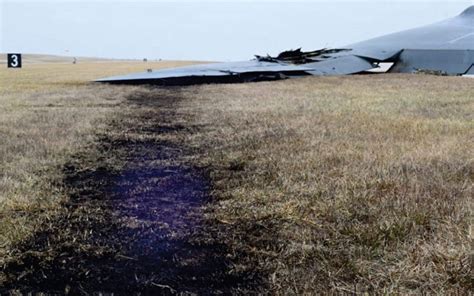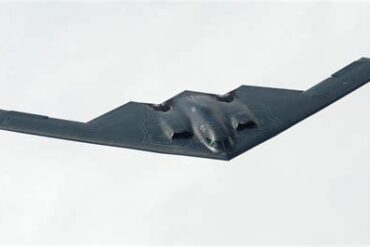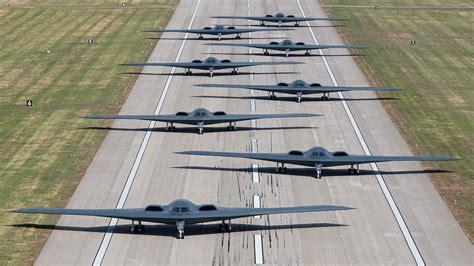
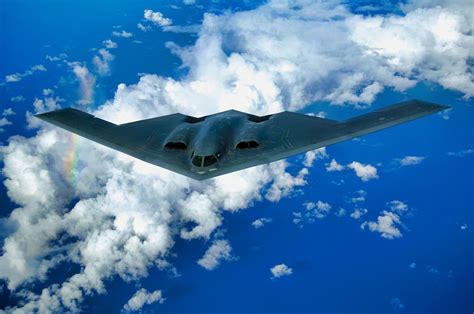
The Northrop B-2 Spirit, a stealth icon of the U.S. Air Force and one of the most expensive aircraft ever built, has long symbolized strategic power and cutting-edge aerospace engineering. But when the Spirit of Georgia crash-landed in 2021 due to landing gear failure, the bomber’s future seemed sealed. With repair estimates exceeding $100 million and a projected four-year restoration timeline, the Air Force initially opted to retire the aircraft. That decision has now been dramatically reversed, thanks to a new, groundbreaking repair method that not only resurrected the bomber but slashed costs and time by more than 75%.
The $2.1 Billion Marvel: Too Expensive to Lose
Commissioned in the early 1990s, the B-2 Spirit was developed under extreme secrecy during the Cold War and remains one of the few aircraft capable of penetrating sophisticated enemy defenses undetected. Each aircraft carries a staggering price tag of $2.1 billion, limiting production to just 21 bombers—a fraction of the 132 originally planned. With one B-2 lost in a 2008 crash, the 2021 accident marked a critical loss, potentially reducing the active fleet to 19.
The Spirit of Georgia, thought to be a total loss, suffered extensive structural damage during the crash. However, an unprecedented decision was made to attempt a full restoration. What followed was one of the most complex repair operations in military aviation history, culminating in a triumphant return to flight in 2025.
The Four-Phase Restoration Process
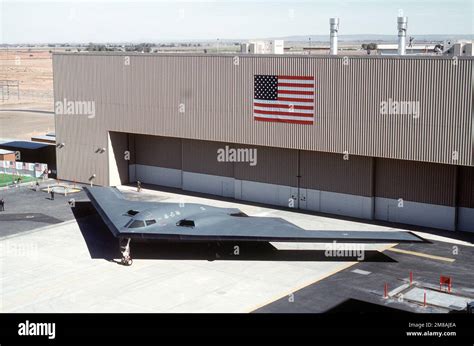
After a single transfer flight to Northrop Grumman’s facility in Palmdale, California, the Spirit of Georgia underwent a meticulous four-phase repair process:
- Design: Engineers developed novel repair blueprints adapted specifically to the damage.
- Test: Prototypes and processes were trialed for effectiveness and safety.
- Validation: Solutions were certified to meet the B-2’s rigorous performance standards.
- Structural Restoration: Full-scale rebuilding of fuselage components, wings, and systems.
What was initially forecasted to take four years concluded in just over three, with the total repair bill reduced to $23.7 million—a $76 million savings that stunned defense analysts and officials alike.
Overcoming Complex Technical Barriers
Restoring the Spirit of Georgia was no ordinary job. One of the core challenges was structural reinforcement. A major breakthrough came with the decision to use a large composite skin panel salvaged from B-2 Test Article 0998, a decommissioned prototype once used for ground testing.
Engineers also tackled highly sensitive fuel-tank contamination, a result of crash impact and environmental exposure. Repairing and sealing these tanks demanded laboratory-grade cleanliness standards. The composite materials needed to be flawlessly bonded, without a single microscopic flaw, as any imperfection could compromise the aircraft’s stealth and survivability.
Despite the technical intensity, every phase was executed with surgical precision, reaffirming the unmatched capability of the combined team from the U.S. Air Force and Northrop Grumman.
Why the B-2 Still Matters in a Modern Fleet
Though the B-21 Raider is poised to succeed the B-2 fleet in the coming years, the Spirit of Georgia’s restoration reflects the continued strategic value of the B-2. With only 20 of the aircraft in operation following this repair, every bomber is irreplaceable.
The B-2 offers intercontinental range, can carry both conventional and nuclear payloads, and operates with a radar cross-section smaller than a bird. As global threats evolve, these characteristics remain vital to deterrence and rapid response missions, especially in regions where adversaries have developed sophisticated anti-air defenses.
Learning From the Past: Spirit of Washington’s Secret Resurrection
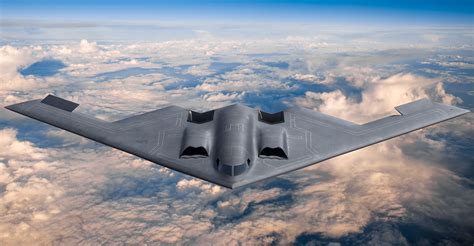
This wasn’t the first time a B-2 was nearly lost and later revived. In 2010, the Spirit of Washington suffered a catastrophic engine fire while attempting takeoff from Guam. The cockpit and internal systems were destroyed, but due to the aircraft’s rarity, a classified restoration began.
The repair effort spanned several years and required the fabrication of over 1,000 unique components, from small brackets to major structural assemblies. The drive to restore it stemmed from one fact: the fleet could not afford to shrink.
According to Gen. Norton A. Schwartz, then Air Force Chief of Staff, “With only 20 B-2s — as precious as those aircraft are — no one even questioned whether or not we’d make the investment.” The Spirit of Washington returned to active service and remains operational today.
A Model for Future High-Cost Asset Recovery
The Spirit of Georgia’s successful return to duty provides a blueprint for future repairs of complex, high-cost military systems. While each B-2 is unique in design and age, the methods tested during this restoration demonstrate that even seemingly destroyed assets can be recovered with:
- Advanced composite fabrication
- Adaptive engineering
- Legacy test-article integration
- Precise cost-management modeling
Such capabilities could become critical as the U.S. military fields new generations of stealth and space-based systems, which are equally complex and costly.
Strategic Implications and Fleet Readiness
Bringing the Spirit of Georgia back online isn’t just about saving dollars—it’s a matter of national defense posture. Each B-2 is a symbol of strategic strike capability, able to reach any target on the globe undetected, including fortified nuclear sites, command centers, and underground bunkers.
With tensions rising in areas like the South China Sea and Eastern Europe, having a fully operational fleet ensures the U.S. retains its strategic edge. A single B-2 can carry 40,000 pounds of precision-guided munitions, making every aircraft an irreplaceable force multiplier.
The End of an Era—But Not Just Yet
The B-21 Raider, expected to enter service in the mid-to-late 2020s, will eventually replace the B-2. This sixth-generation stealth bomber promises greater range, lower operating costs, and advanced networking capabilities. However, until that transition is complete, the B-2 remains the backbone of America’s strategic bomber fleet.
Thanks to innovation, perseverance, and an appetite for risk, the Spirit of Georgia has reclaimed its place in the sky. Its revival isn’t just a financial win—it’s a testament to the Air Force’s commitment to resilience, adaptability, and operational excellence.