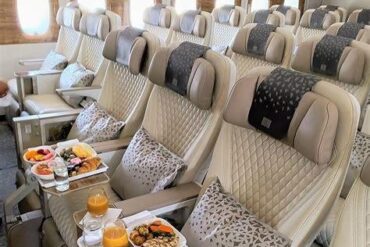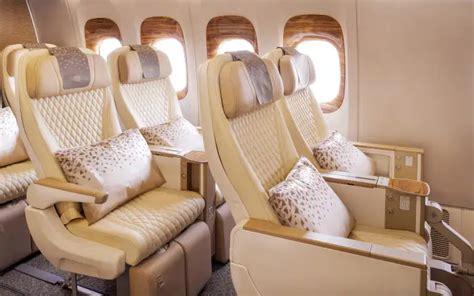
The transpacific flight has undergone a profound transformation. What was once regarded as an exhausting endurance test—fourteen or more hours confined inside a pressurized tube—has evolved into one of aviation’s most competitive showcases of design, engineering, and passenger experience. In 2026, the race for dominance across the Pacific Ocean is no longer defined simply by route networks or ticket prices. Instead, airlines are competing with architectural cabins, apartment-style suites, cinematic entertainment screens, and sleep systems engineered to rival boutique hotels.
This shift reflects a broader transformation in global travel behavior. The premium leisure boom has fundamentally altered the economics of long-haul aviation. High-net-worth travelers, digital entrepreneurs, and luxury-minded tourists are increasingly willing to pay record fares for privacy, comfort, and a sense of personal sanctuary during flights that can stretch past sixteen hours. For airlines operating between North America and East Asia, the most lucrative aviation corridor on Earth, the opportunity is enormous—and the competition is fierce.
Carriers are no longer focused solely on maximizing seat counts. Instead, the latest aircraft cabins emphasize space, quietness, and personalization. Sliding suite doors, wireless charging systems, headrest-integrated speakers, and residential-inspired seating are becoming standard features in premium cabins. As airlines deploy next-generation widebody aircraft such as the Airbus A350-1000 and Boeing 787-9, the gap between conventional business class and flagship premium products has never been wider.
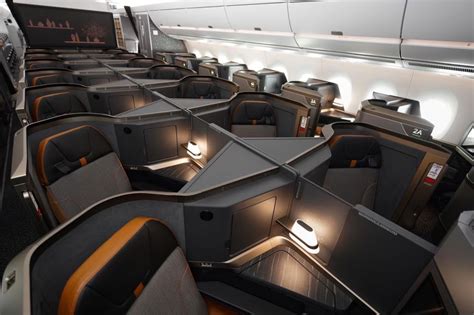
Japan Airlines A350-1000: Architectural Luxury Above the Pacific
Japan Airlines entered the new era of premium travel with a decisive statement when it replaced its aging Boeing 777-300ER fleet with the Airbus A350-1000. Rather than simply refreshing interiors, the airline pursued an ambitious rethinking of what a first-class cabin should feel like. The result is a minimalist environment that resembles a modern studio apartment more than a traditional aircraft cabin.
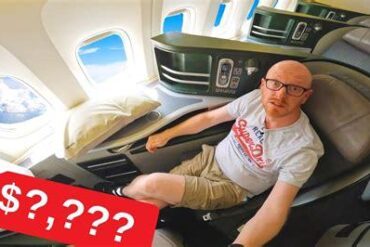
The first-class section contains just six suites arranged in a spacious 1-1-1 configuration. By removing overhead bins above the center and side sections, designers dramatically increased the perceived cabin height. The effect is subtle but transformative: passengers step into a space that feels airy, vertical, and distinctly residential. For long-haul travelers accustomed to low ceilings and tight compartments, the difference is immediately noticeable.
Technological innovation is equally prominent. One of the most groundbreaking features is the headrest-integrated speaker system. Instead of relying on bulky noise-canceling headphones for hours at a time, passengers experience directional audio projected directly toward their ears. The technology creates a personal sound bubble, allowing high-fidelity entertainment while reducing physical fatigue during extended flights.
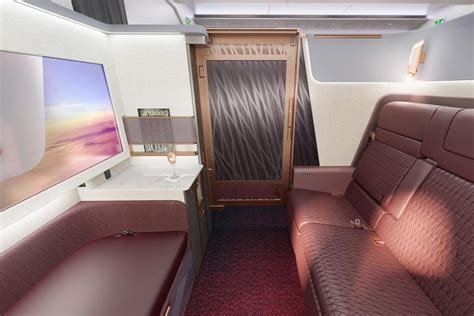
Privacy also reaches new levels. Each suite is enclosed by a 62-inch sliding door, one of the tallest installed in commercial aviation. When closed, the suite becomes a private sanctuary isolated from the rest of the cabin. Combined with subtle lighting and textured materials, the space feels closer to a compact hotel room than a seat on an airplane.
Power connectivity is another area where Japan Airlines pushes boundaries. Every suite includes seven charging points, ranging from AC outlets to USB-A and USB-C ports. While the feature might appear minor on paper, it reflects a critical shift in traveler expectations. Premium passengers today carry multiple devices—laptops, tablets, headphones, and cameras—and uninterrupted power access has become a defining feature of modern luxury travel.
Perhaps the most remarkable innovation lies in the suite’s double-bed configuration. The primary seat and side ottoman combine to form a wide sleeping surface that spans nearly the entire suite width. Advanced cushioning systems distribute weight evenly, creating a mattress-like feel that rivals ground-based hotel bedding. For travelers crossing the Pacific overnight, this engineering achievement significantly improves rest quality and reduces jet lag upon arrival.
ANA’s “The Room FX”: The Sofa Concept Redefining Business Class
While Japan Airlines has focused on redefining first class, All Nippon Airways has concentrated on transforming business class. Its newest product, known as “The Room FX,” represents one of the most radical departures from conventional airline seating in recent years.
Installed on the Boeing 787-9 fleet beginning in 2026, the FX concept removes the mechanical reclining systems that traditionally dominate aircraft seats. Instead, ANA adopted a sofa-style architecture inspired by residential furniture. Without bulky reclining hardware, engineers were able to dramatically widen the seat structure.
At its widest point, the seat measures an astonishing 41.5 inches. That makes it the largest business-class seat ever installed on a mid-sized widebody aircraft. For passengers accustomed to narrow sleeping surfaces and restricted movement, the additional width opens entirely new possibilities for comfort.
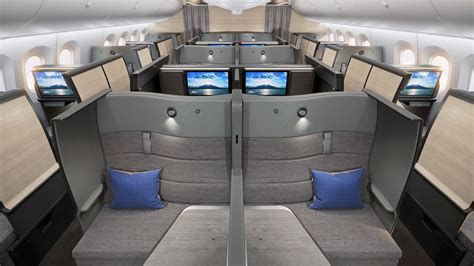
The design philosophy draws heavily from Japanese interior culture, where flexibility and spatial efficiency are paramount. Travelers can sit cross-legged, lounge sideways, or recline casually as if relaxing on a living-room sofa. The seat transitions into a 76.5-inch flat bed using only a rising leg rest, eliminating the mechanical complexity found in most airline seats.
Another notable feature is the bucket-shaped backrest. Because the seat does not fold into multiple sections, designers could sculpt the structure to provide continuous lumbar support. The result is a seat that maintains ergonomic comfort even during long working sessions or extended periods of relaxation.
Technological upgrades accompany the physical redesign. The Room FX suites include 24-inch 4K monitors with Bluetooth audio connectivity, dual-zone LED lighting, wireless charging pads, and taller suite walls for increased privacy. Ultra-thin composite doors help maintain weight efficiency while ensuring the cabin retains a spacious atmosphere despite the Boeing 787’s narrower fuselage.
For business travelers who treat flights as mobile offices, the product delivers a compelling blend of comfort and productivity. Large work surfaces, ample power outlets, and quiet personal space allow passengers to work seamlessly across time zones without sacrificing rest.
Starlux Airlines: The Startup Challenger With Futuristic Vision
Among the established Asian aviation giants, a relatively young airline has emerged as one of the most innovative competitors. Starlux Airlines, based in Taiwan, has leveraged its startup agility to build one of the most technologically advanced premium experiences in the transpacific market.
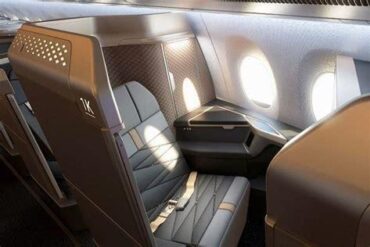
The airline’s flagship Airbus A350-1000 cabins feature a distinctive design language known as “Glisten.” Metallic finishes, sculpted surfaces, and soft ambient lighting create an atmosphere that feels closer to a luxury spacecraft than a traditional passenger jet. The aesthetic sets the tone for an airline determined to differentiate itself through bold engineering and cutting-edge design.
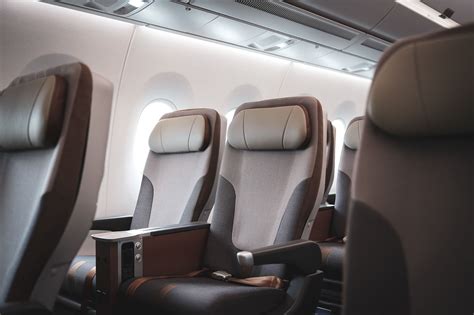
Starlux’s first-class cabin is intentionally exclusive, containing only four suites. Each suite features 32-inch 4K displays—the largest entertainment screens available on a Taiwanese airline—and towering 60-inch suite doors that provide near-total privacy.
Yet the most intriguing feature is the airline’s zero-gravity seat mode. Inspired by NASA research on neutral body posture, this setting tilts passengers into a position that distributes body weight evenly across the seat structure. The goal is to minimize pressure points and improve blood circulation during extremely long flights.
The technology addresses one of the greatest challenges of long-haul travel: physical fatigue. Traditional seats place pressure on the lower back and hips after hours of sitting. By shifting the passenger into a more balanced posture, Starlux’s zero-gravity mode reduces strain on muscles and joints while encouraging deeper relaxation.
Connectivity also plays a central role in the airline’s strategy. High-speed Wi-Fi is offered as a complimentary feature for premium passengers, allowing uninterrupted streaming, video conferencing, and messaging throughout the flight. In an era when travelers increasingly blend work and leisure, reliable connectivity can be as valuable as physical comfort.
Combined with the Airbus A350 Airspace cabin—which features improved humidity levels and lower cabin altitude—the Starlux experience positions itself as one of the most technologically advanced options crossing the Pacific.
EVA Air: Mastering Consistency in the Premium Economy Era
While competitors introduce headline-grabbing suite concepts, EVA Air has taken a more measured approach. The airline’s strategy focuses on refining consistency across its cabins while expanding a particularly important category: premium economy.
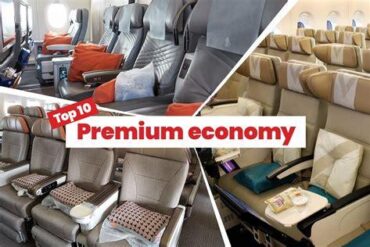
This segment sits between economy and business class, offering enhanced comfort without the steep price tag of premium suites. For travelers seeking a balance between affordability and luxury, premium economy has become one of the fastest-growing segments in aviation.
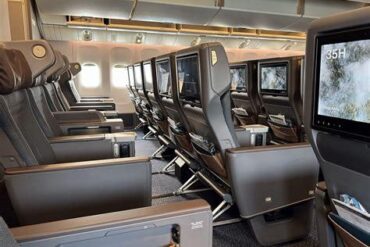
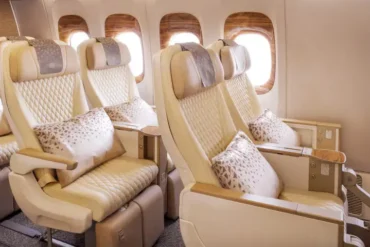
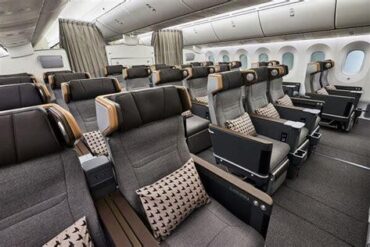
EVA Air’s fourth-generation premium economy seat reflects this evolving market. With a seat pitch of 42 inches, it offers one of the most generous configurations available on long-haul routes. The additional legroom transforms the experience from a cramped journey into something far more comfortable.
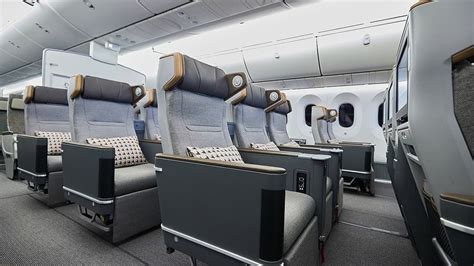
The seat also incorporates a cradle-motion recline system. Instead of tilting backward and encroaching on the passenger behind, the cushion slides forward and upward during recline. This movement allows for an impressive eight inches of recline while maintaining respectful spacing throughout the cabin.
Such engineering decisions demonstrate EVA Air’s attention to practical passenger needs. Travelers gain meaningful comfort improvements without creating conflict between rows—a subtle yet important element of long-haul cabin harmony.
Beyond physical seating, EVA continues to emphasize its renowned service culture. Even in premium economy, passengers receive amenities typically associated with higher cabins. Double-sided blankets, curated amenity kits from fashion brands, and elevated dining options contribute to a sense of thoughtful hospitality.
The airline’s network strategy reinforces its position as a transpacific powerhouse. With routes spanning major North American cities and an expanding presence in Washington, D.C., EVA Air has become a critical connector between Taiwan and the United States.
For travelers who prioritize reliability, service consistency, and well-designed cabins, EVA Air remains one of the most dependable choices crossing the Pacific.
Airports Enter the Premium Experience Battlefield
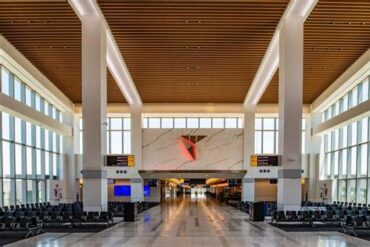
The transformation of long-haul travel extends beyond aircraft cabins. Airports themselves have become arenas for competition, particularly for premium travelers connecting between continents.
Two hubs dominate the transpacific transfer experience: Tokyo Haneda and Taipei Taoyuan. Both airports host flagship lounges designed to elevate the hours spent between flights into experiences worthy of luxury hotels.
Tokyo’s flagship offering is the RED SUITE located inside the Haneda First Class Lounge. Designed by architect Ryu Kosaka, the space divides into multiple zones including a library, gallery, retreat area, and cocktail bar. The design emphasizes calm sophistication with warm wood textures and subtle lighting.
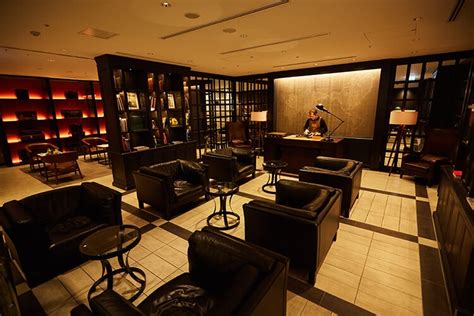
One of the most distinctive amenities is the John Lobb shoe-shine service. Master craftsmen polish footwear while guests enjoy premium champagne served in crystal glassware. The ritual embodies the Japanese concept of omotenashi—anticipatory hospitality that elevates small gestures into memorable experiences.
Taipei Taoyuan approaches luxury from a different angle. Starlux’s Galactic Lounge embraces a futuristic aesthetic defined by steel-gray interiors and capsule seating pods. The space feels cinematic, reflecting the airline’s technology-forward identity.
Digital convenience is central to the concept. Passengers scan QR codes to order meals ranging from Wagyu burgers to Chiayi-style chicken rice. Dishes arrive within minutes, demonstrating how automation and culinary quality can coexist in modern airport lounges.
EVA Air counters with its Infinity lounge, known for themed shower suites and polished service. Each area offers a different sensory experience, ensuring travelers can refresh and relax before embarking on long flights.
Sustainability and the New Definition of Luxury Travel
The future of transpacific aviation will not be defined solely by comfort and technology. Environmental responsibility is becoming an equally important factor shaping the premium travel landscape.
Governments and airlines are increasingly adopting sustainable aviation fuel initiatives designed to reduce carbon emissions without compromising operational performance. Japan, for example, has implemented frameworks that narrow the cost gap between conventional kerosene and sustainable alternatives.
These developments subtly influence the passenger experience. Travelers may encounter modest environmental surcharges on tickets, yet the funds support cleaner aviation practices that align with growing expectations among environmentally conscious travelers.
Aircraft interiors themselves are also evolving. Lightweight recycled composites and advanced materials help offset the weight added by privacy doors, larger screens, and expanded seating structures. Engineers must constantly balance luxury features with efficiency to maintain aircraft range and fuel economy.
This delicate balance illustrates a broader shift in aviation design philosophy. Luxury no longer exists in isolation from sustainability. Instead, airlines are exploring ways to deliver five-star experiences while minimizing environmental impact.
The New Hierarchy of Transpacific Premium Travel
The competitive landscape of transpacific aviation in 2026 reveals a fascinating hierarchy of innovation. Each airline brings a distinct philosophy to the challenge of making ultra-long-haul travel more comfortable.
Japan Airlines emphasizes architectural privacy and acoustic innovation, transforming its A350-1000 suites into peaceful sanctuaries above the clouds. All Nippon Airways focuses on spatial engineering, delivering the widest business-class seat ever installed on a mid-size aircraft. Starlux Airlines champions futuristic technology and bold design, offering zero-gravity seating and spacecraft-like cabins. EVA Air prioritizes consistency and service excellence while expanding the appeal of premium economy.
For passengers, the result is unprecedented choice. Travelers can select flights based on personal priorities—whether that means absolute privacy, spacious seating, cutting-edge technology, or dependable service.
The transpacific corridor has effectively become aviation’s most dynamic laboratory. Innovations introduced here often ripple across the global airline industry, influencing cabin design and passenger expectations worldwide.
What began as a battle for market share has evolved into a broader redefinition of long-haul travel. Today’s premium cabins are not simply upgraded seats; they are carefully engineered environments designed to transform the experience of crossing the world’s largest ocean. As airlines continue to push the boundaries of design and technology, the future of long-haul aviation promises to be more comfortable—and more fascinating—than ever before.