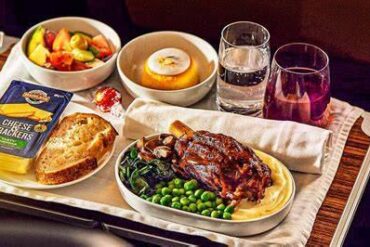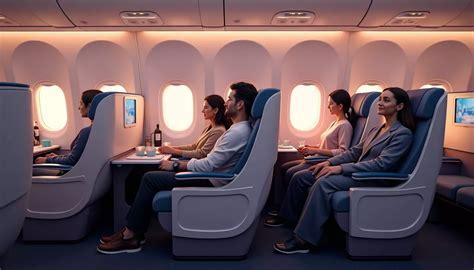
Air travel in economy class has long been synonymous with compromise—tight seats, limited legroom, and meals that rarely inspire excitement. Yet in 2026, a select group of airlines is quietly rewriting that narrative. These carriers have elevated economy dining from a logistical necessity into a carefully curated culinary experience, proving that even at the back of the plane, passengers can savor meals that feel thoughtfully designed rather than mass-produced.
What sets these airlines apart is not just better ingredients or larger portions. It’s a philosophy shift. Instead of viewing economy catering as a cost center, they treat it as an extension of their brand identity—one that reflects culture, hospitality, and attention to detail. From Middle Eastern delicacies to Taiwanese chef-crafted menus, these airlines are turning tray tables into tasting tables.
By blending regional authenticity, menu innovation, and surprising touches like pre-order systems and premium beverages, these six airlines have claimed the top spots for economy class dining in 2026.
Saudia: Elevating Economy Dining with Authentic Middle Eastern Hospitality
Saudia’s approach to economy class dining is rooted in a simple yet powerful principle: honoring the guest. This ethos, deeply embedded in Saudi culture, transforms even a standard meal service into something more personal and memorable. Rather than offering generic globalized dishes, Saudia leans into the rich culinary traditions of the Middle East, delivering meals that feel both comforting and distinctive.
Passengers can expect warm, flavorful offerings that reflect regional heritage. A standout example includes freshly baked focaccia topped with tomato, olives, and melted cheese—served hot, not as an afterthought. Accompanying dishes, like creamy yogurt with whole cherries, add a refreshing balance that elevates the entire meal experience.
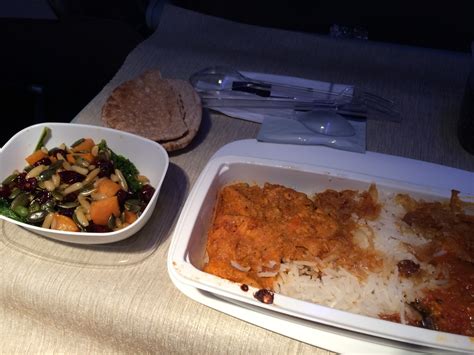
Beyond taste, Saudia excels in inclusivity. With over 17 specialized meal categories, the airline accommodates a wide range of dietary needs, from medical restrictions to religious requirements. Every meal served onboard adheres strictly to halal standards, ensuring consistency and trust for passengers worldwide.
There’s also a surprising touch of celebration in Saudia’s offering. Passengers can request custom cakes for special occasions, turning a long-haul flight into a moment worth remembering. It’s this blend of tradition, flexibility, and thoughtful service that positions Saudia as a standout in economy dining.
STARLUX Airlines: Reinventing Choice with Pre-Selected Economy Meals
STARLUX Airlines has taken a bold step that many legacy carriers have hesitated to implement: giving economy passengers control over their meals before they even board. This innovation challenges one of the most frustrating aspects of economy travel—limited choice.
Through its intuitive “Trip Management” system, passengers can pre-select meals in advance, ensuring they receive exactly what they want. This isn’t just a convenience; it’s a psychological upgrade. Knowing your preferred meal is waiting removes uncertainty and adds a layer of personalization rarely seen in economy cabins.
The meals themselves reflect STARLUX’s commitment to quality. Portions are generous, flavors are carefully balanced, and presentation avoids the overly processed feel that plagues many airline meals. While economy passengers don’t access the airline’s high-profile restaurant collaborations, the influence of those partnerships subtly elevates the overall standard.
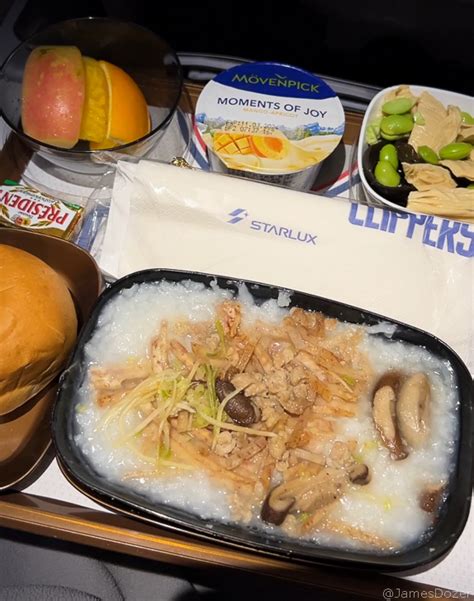
Feedback from travelers consistently highlights flavor accuracy and satisfying portion sizes, two factors that can make or break the inflight dining experience. While desserts may occasionally feel understated, the core meal quality more than compensates.
STARLUX proves that innovation in economy dining doesn’t require extravagant ingredients—it requires rethinking how passengers interact with their meals.
Singapore Airlines: Consistency, Variety, and Short-Haul Excellence
Singapore Airlines has long been synonymous with premium service, but its real achievement lies in bringing that reputation into economy class—especially on shorter routes where many airlines cut corners.
Instead of limiting offerings, Singapore Airlines provides complimentary meals and a full range of beverages, even on flights under 3.5 hours. This alone sets it apart in an industry where short-haul passengers often receive little more than a snack.
What truly distinguishes the airline is its menu diversity. Developed in partnership with SATS, the economy menu features around 40 rotating dishes, ensuring frequent flyers rarely encounter repetition. The lineup includes regional favorites like laksa and mee siam, alongside international comfort dishes such as braised beef with mashed potatoes.
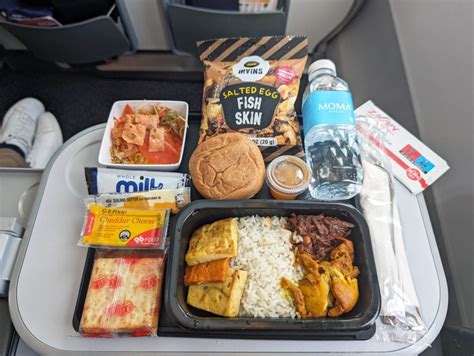
The beverage selection is equally impressive, spanning teas, juices, soft drinks, wines, beers, and even cocktails. This breadth transforms the dining experience into something closer to a restaurant service than a standard airline offering.
There is, however, a clear boundary. Premium features like “Book the Cook” remain exclusive to higher cabins, and meal pre-selection is limited. Yet even without these perks, Singapore Airlines delivers a level of consistency and variety that keeps it firmly among the best.
Qatar Airways: Sophisticated Flavors and an Expansive Beverage Program
Qatar Airways approaches economy dining with the confidence of a carrier consistently ranked among the world’s best. Its meals are designed to appeal to a broad range of palates while maintaining a sense of refinement.
Passengers typically receive multiple meal choices, often including dishes like chicken chasseur, beef vindaloo, or pasta options. Starters such as roasted butternut and feta salad add a layer of sophistication that’s rare in economy class. On longer flights, additional snacks or light meals ensure passengers remain well-fed throughout the journey.
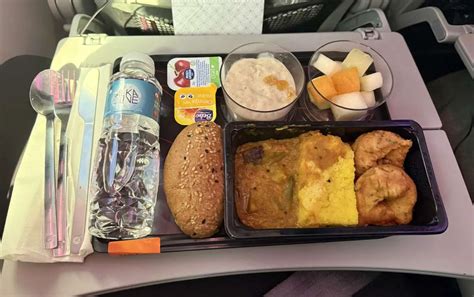
Where Qatar Airways truly stands out is its beverage selection. Economy passengers have access to an impressive lineup of wines, spirits, and cocktails, including classics like Bloody Mary and mimosa. This level of choice is uncommon and significantly enhances the overall experience.
That said, execution can occasionally vary. The speed required for economy service sometimes leads to inconsistencies, particularly in drink preparation. Still, the ambition behind the offering—and its overall quality—places Qatar Airways firmly among the leaders in this category.
Cathay Pacific: A Culinary Tribute to Hong Kong’s Food Culture
Cathay Pacific transforms economy dining into a reflection of Hong Kong’s vibrant culinary identity. Rather than relying on generic international menus, the airline incorporates Cantonese classics and regional specialties, creating a sense of place even at cruising altitude.
Meals are thoughtfully structured, often including breakfast, snacks, and a main service depending on flight length. Breakfast might feature dim sum or a mushroom omelet, accompanied by the iconic Hong Kong-style milk tea. For supper, passengers can enjoy dishes like braised duck, spiced paneer, or marinated vegetables.
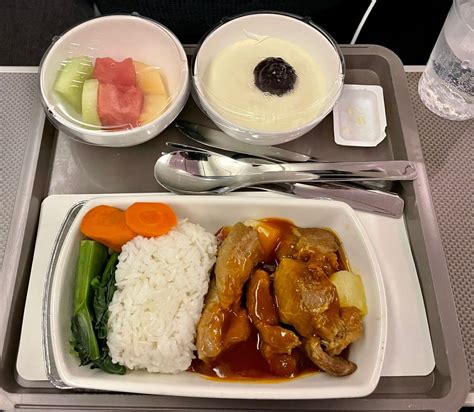
One of the standout touches is the inclusion of Hong Kong egg tarts and premium desserts like Häagen-Dazs ice cream. These small indulgences leave a lasting impression and elevate the overall dining experience.
Cathay Pacific also excels in its beverage offerings, providing a curated selection of wines, beers—including its own handcrafted pale ale—and well-known spirits. The result is a dining experience that feels cohesive, culturally rich, and surprisingly indulgent for economy class.
EVA Air: Setting the Gold Standard for Economy Class Catering
EVA Air doesn’t just participate in the economy dining race—it leads it. Recognized as offering the world’s best economy class catering, the airline has built a reputation for delivering meals that rival those found in higher cabins.
At the core of EVA Air’s success is its collaboration with renowned chefs, who design menus inspired by Taiwanese and broader Asian culinary traditions. These dishes are not simplified versions of premium offerings; they are carefully crafted to stand on their own.
Passengers can preview their meals online before flying, adding transparency and anticipation to the experience. This digital approach also supports sustainability, significantly reducing the need for printed menus.
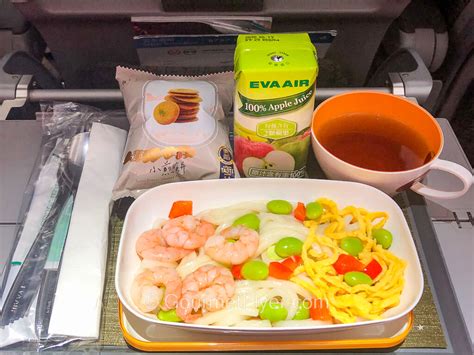
EVA Air’s commitment to inclusivity is equally impressive. The airline offers a wide range of specialized meals catering to religious, cultural, and dietary needs, ensuring that every passenger feels considered. From halal to vegetarian to religious-specific meals, the level of detail is unmatched.
Interestingly, standard meals often avoid beef, reflecting thoughtful menu design that aligns with regional preferences and dietary diversity. It’s these subtle decisions that collectively create a superior experience.
Why Economy Dining Is Finally Worth Talking About
The evolution of economy class dining in 2026 signals a broader shift in the airline industry. Passengers are no longer willing to accept mediocrity as the default, and these six airlines have responded by turning meals into a competitive advantage.
What unites them is a shared understanding: food is one of the most memorable parts of a flight. Long after landing, passengers may forget seat dimensions or boarding procedures, but they remember whether the meal surprised them—in a good way.
From Saudia’s cultural authenticity to EVA Air’s chef-driven excellence, each airline brings a unique perspective to the table. Together, they prove that economy class doesn’t have to mean ordinary. It can, with the right approach, become an experience that travelers genuinely look forward to.
And if the current trajectory continues, the phrase “airplane food” might finally lose its punchline status.