For years, booking a long-haul United Airlines Polaris business class ticket came with a simple assumption: premium cabin passengers received the airline’s full premium ground experience. That meant lie-flat seats, elevated dining, priority services, generous baggage allowances, and perhaps most importantly, access to the highly regarded Polaris Lounge network. Travelers paying thousands of dollars for an international business class ticket expected those perks to be automatic.
That assumption is now gone.
In 2026, United Airlines fundamentally changed the definition of what a Polaris ticket includes. Travelers purchasing the airline’s newly introduced Polaris Base fare can still sit in the same business class cabin, enjoy the same inflight seat, and receive onboard Polaris service, but they no longer receive access to Polaris Lounges. Instead, they are redirected to standard United Club lounges unless they purchase a more expensive fare tier.
The change may sound subtle on paper, but it represents one of the most important shifts in premium airline economics in years. United is no longer simply selling a business class seat. It is selling layers of business class experiences, each with carefully separated privileges.
The result is a premium cabin strategy that increasingly resembles the structure of basic economy.
For travelers spending nearly $3,000 on an international Polaris ticket, the realization that lounge access is no longer guaranteed has triggered frustration across the frequent flyer community. Yet from United’s perspective, the move is part of a broader transformation reshaping the economics of premium travel worldwide.
The airline industry has discovered that modern premium passengers are willing to tolerate more restrictions than ever before, especially if the upfront fare appears lower.
United Airlines Quietly Redefined The Meaning Of Polaris
United’s new fare structure for Polaris and Premium Plus cabins introduced three distinct fare categories:
- Polaris Base
- Polaris Standard
- Polaris Flexible
At first glance, the changes resemble the tiered fare systems already common in economy cabins. But applying that model to international business class marks a major strategic escalation.
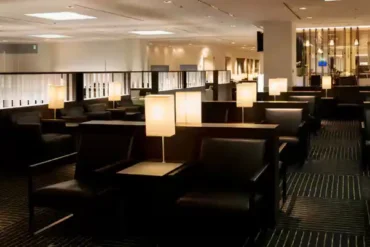
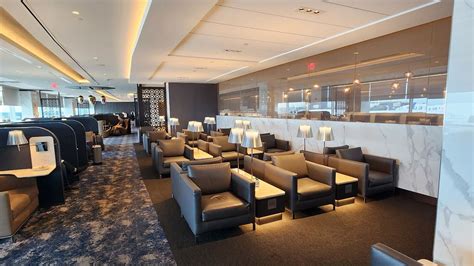
Under the new system, Polaris Base fares exclude Polaris Lounge access entirely. Travelers booking these tickets only receive access to United Club lounges, which are significantly less exclusive and generally offer a lower-quality experience than Polaris Lounges.
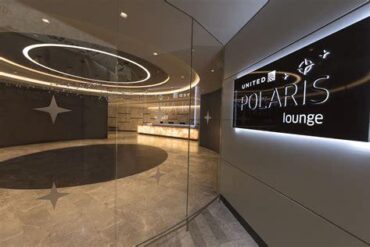
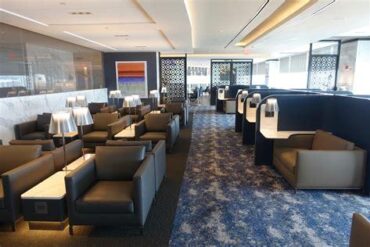
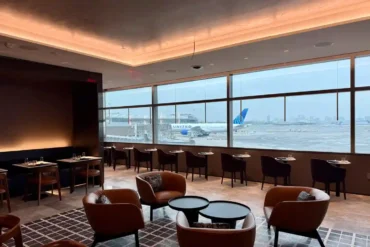
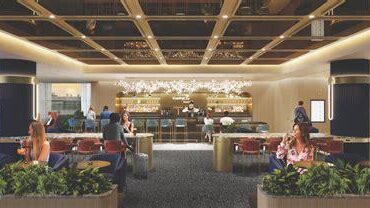
That distinction matters because Polaris Lounges have long been one of United’s strongest premium products. The lounges offer restaurant-style dining, upgraded cocktails, private relaxation areas, shower suites, quieter seating zones, and a far more refined atmosphere compared to the crowded United Club network.
For many international travelers, particularly those departing on overnight flights, the Polaris Lounge experience has become a defining part of the journey itself.
Now, that experience is effectively locked behind a higher paywall.
United did not introduce additional premium amenities to justify the more expensive Standard and Flexible fares. Instead, the airline simply removed existing benefits from the lower fare category while keeping pricing relatively close to previous business class levels.
That is why many travelers feel they are paying the same amount while receiving less.
Polaris Base Fares Strip Away More Than Lounge Access
The Polaris Lounge restriction is only the most visible downgrade.
United’s Polaris Base fares also include several additional limitations that would have been almost unimaginable in international business class a decade ago.
Passengers purchasing Polaris Base tickets face:
- Non-refundable fares
- No ticket changes permitted
- Paid seat selection requirements
- Only one checked bag included
- No eligibility for Polaris Studio upgrades
- No Premier Qualifying Flights or Premier Qualifying Points
- No mileage earning for non-credit-card holders
The restrictions create a business class product that feels increasingly segmented and transactional.
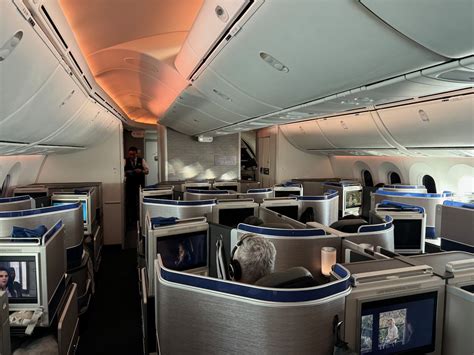
A traveler may still physically occupy the same Polaris seat onboard a Boeing 787 or 777, but the overall experience is intentionally diminished unless they pay more.
This is the critical evolution happening across the airline industry. Airlines are learning that travelers often focus overwhelmingly on the seat itself during booking searches. As long as the lie-flat seat remains visible in advertisements and booking engines, carriers can quietly unbundle many surrounding benefits.
That creates a new reality where the “business class experience” no longer guarantees the full premium treatment.
Why Airlines Are Turning Premium Cabins Into Tiered Products
The logic behind United’s move becomes clearer when examining how airline economics evolved over the past fifteen years.
In the early 2010s, major US airlines faced intense pressure from low-cost competitors such as Spirit Airlines and Frontier. Traditional carriers responded by introducing basic economy, a stripped-down fare designed to compete on headline pricing while charging extra for flexibility and convenience.
The strategy worked brilliantly.
Basic economy fares allowed airlines to display lower ticket prices in search results while persuading many passengers to upgrade into more expensive fare categories. Travelers who feared losing seat assignments, baggage allowances, or change flexibility often paid more to avoid restrictions.
Over time, basic economy became one of the industry’s most profitable pricing innovations.
Now airlines are applying the same strategy to premium cabins.
The difference is psychological. Travelers traditionally viewed business class as an all-inclusive luxury experience. But airlines realized that a growing percentage of premium passengers are not traditional corporate road warriors.
Instead, many are what the industry calls premium leisure travelers.
These customers are vacationers willing to splurge on comfort but still highly sensitive to price differences. They may care deeply about having a lie-flat seat on a 12-hour flight, but care far less about lounge dining, refund flexibility, or elite mileage earnings.
That creates a perfect opportunity for airlines.
By stripping away secondary perks while preserving the core seat experience, carriers can advertise lower premium fares while simultaneously encouraging upselling into higher tiers.
United’s Polaris Base strategy directly targets this demographic.
The Pandemic Permanently Changed Business Class Demand
Before COVID-19, international business cabins were heavily dependent on corporate travel. Large companies routinely paid premium fares because employees required flexibility, schedule changes, and productivity-focused amenities.
Corporate travelers also expected lounge access as standard.
But the pandemic dramatically altered the composition of premium demand.
Business travel recovered more slowly than airlines expected, while affluent leisure demand surged. Travelers who postponed luxury vacations during lockdowns began spending heavily on premium experiences once restrictions disappeared.
Airlines quickly realized these customers behaved differently from traditional corporate travelers.
Premium leisure passengers often:
- Book trips far in advance
- Have flexible schedules
- Rarely change itineraries
- Pay personally instead of through corporations
- Focus primarily on onboard comfort
That means they are far more receptive to lower-priced premium fares with restrictions attached.
United’s new Polaris structure is effectively a response to this market transformation. The airline believes many travelers will willingly sacrifice lounge access and flexibility if it reduces the visible fare price during booking.
From a revenue-management perspective, the strategy is extremely attractive.
It allows United to segment premium customers more aggressively while generating additional revenue from upsells.
Polaris Lounge Access Has Become A Luxury Inside A Luxury
The Polaris Lounge itself has become one of the most valuable premium differentiators in United’s network.
Unlike many airline lounges that became overcrowded after years of credit card partnerships and status expansions, Polaris Lounges remained relatively exclusive. Access was historically limited to long-haul international business class passengers.
That exclusivity helped preserve the premium atmosphere.
At hubs like Newark, Chicago O’Hare, San Francisco, and Washington Dulles, Polaris Lounges became known for restaurant-quality dining, upscale design, shower facilities, and calmer environments compared to standard airline lounges.
For long-haul passengers, particularly those on evening departures to Europe or Asia, the lounge experience often justified arriving at the airport hours early.
United now recognizes that exclusivity itself has monetary value.
By restricting access to Standard and Flexible fares, the airline achieves several goals simultaneously:
- Reduces lounge crowding
- Preserves the premium image of Polaris Lounges
- Encourages upsells into higher fare tiers
- Increases revenue per passenger
This is a sophisticated form of product segmentation. The lounge is no longer treated as a complimentary extension of the ticket. It has effectively become a premium feature sold separately through fare selection.
Other Airlines Already Started Moving In The Same Direction
United is not acting alone.
Several international airlines already introduced unbundled business class products years ago, and the trend is accelerating globally.
Emirates launched its Business Special fares in 2019. Those tickets exclude chauffeur service, reduce mileage earnings, and restrict lounge access despite still placing travelers in Emirates business class seats.
Qatar Airways followed with similar business class segmentation in 2020.
Air France and KLM also implemented more restrictive premium fare structures, while Delta Air Lines has openly discussed plans to fully unbundle Delta One and other premium cabins.
The direction of the industry is becoming unmistakable.
Airlines increasingly view premium cabins not as singular products, but as modular experiences where every component can be individually monetized.
That philosophy aligns perfectly with broader airline revenue trends. Ancillary revenue — including baggage fees, seat selection charges, lounge memberships, and loyalty program partnerships — has become central to airline profitability.
The old model of bundling everything into one expensive fare is disappearing.
Credit Cards Are Driving United’s Entire Loyalty Strategy
One overlooked aspect of United’s Polaris changes is how closely they align with the airline’s expanding credit card strategy.
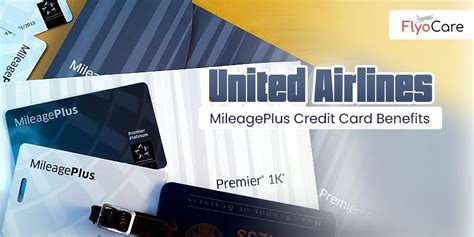
United’s MileagePlus program now heavily rewards customers who hold Chase co-branded credit cards. Cardholders receive enhanced mileage earnings, additional award availability, and exemptions from some of the harshest restrictions attached to lower fare categories.
Meanwhile, travelers without United credit cards increasingly receive reduced benefits.
This matters because airlines today make staggering amounts of money from financial partnerships. Selling frequent flyer miles to banks has become more profitable than flying passengers in many cases.
United, Delta, and American Airlines all rely heavily on loyalty program economics.
That means airlines are incentivized to create ecosystems where travelers feel pressured to join branded credit card programs simply to preserve benefits they previously received automatically.
The Polaris Base fare structure reflects this shift perfectly.
A traveler buying a premium cabin ticket without a co-branded credit card receives fewer miles, fewer privileges, and fewer upgrade opportunities. Meanwhile, credit card holders receive protections and enhanced earning potential.
The airline is effectively nudging premium travelers toward deeper participation in United’s financial ecosystem.
Why Travelers Feel Particularly Frustrated By This Change
The backlash surrounding Polaris Lounge restrictions stems from a simple emotional reality.
Passengers associate business class with completeness.
When travelers spend thousands of dollars on international premium travel, they expect the experience to feel comprehensive and seamless. Lounge access has long symbolized that transition from ordinary travel into premium treatment.
Removing that benefit while maintaining similar pricing creates a perception of diminished value.
Many travelers do not object to fare segmentation itself. Instead, they object to the feeling that airlines are redefining “premium” downward while charging increasingly premium prices.
That frustration intensifies because Polaris Lounges were heavily marketed as part of the United business class experience for years. Travelers built expectations around that branding.
Now, two passengers seated next to each other in identical Polaris seats may receive completely different ground experiences depending on which fare bucket they purchased.
That represents a dramatic cultural shift in premium aviation.
The Future Of Premium Air Travel Will Be More Fragmented
United’s Polaris changes likely represent the beginning of a much broader transformation.
Over the next several years, premium air travel will probably become increasingly segmented across nearly every major airline. Travelers may soon encounter separate pricing for lounge access, premium meals, advance seat selection, chauffeur transfers, enhanced bedding, or even priority immigration services.
The era of universally bundled luxury travel is fading.
Instead, airlines are building highly personalized revenue models designed to maximize spending from every customer segment.
For some travelers, that may create opportunities to buy cheaper premium seats while skipping perks they never used anyway. But for others, particularly frequent international flyers accustomed to traditional business class standards, the experience may feel increasingly nickel-and-dimed.
United’s Polaris Base fare demonstrates how far the industry has already moved in that direction.
A $3,000 business class ticket still buys the seat.
It just no longer buys the entire experience.