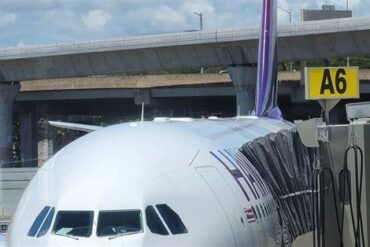
Flying aboard the Korean Air 737-8 (MAX 8) from Shanghai Pudong International Airport (PVG) to Incheon International Airport (ICN) offers travelers more than just a basic short-haul hop—it provides a glimpse into the airline’s evolving standard of service, particularly as Korean Air modernizes its fleet with new aircraft and inflight technology. This 511-mile journey, clocking in at just over two hours, proved to be both comfortable and well-executed, even in economy class.
Smooth Departure from PVG Terminal 1
The journey commenced with a seamless transit through PVG Terminal 1, a hub that, while quiet during the early hours, functions efficiently for international connections. Korean Air passengers departing from this terminal have access to Lounge No. 39, a shared facility providing basic comforts. Despite a stroll through numerous shuttered shops, the boarding process was calm and orderly. A notable highlight during this wait was a brief encounter with a fellow aviation enthusiast—an example of how shared passion can turn even mundane airport time into memorable conversation.
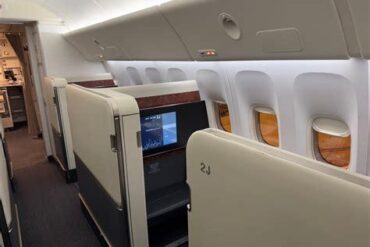
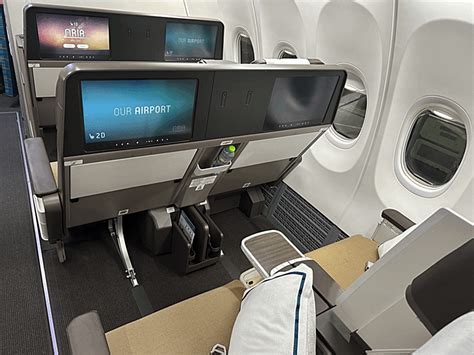
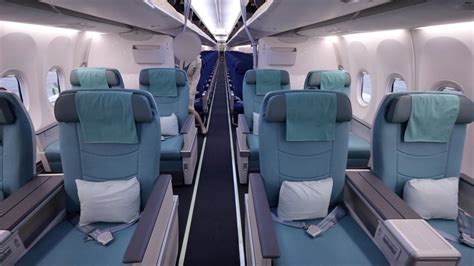
Upon boarding, Korean Air’s crew offered a gracious welcome. The flight attendants, dressed in Korean Air’s distinctive uniforms, were well-prepared and attentive from the start. The aircraft, a Boeing 737-8, featured eight business class seats in rows 7 and 8, while economy began at row 28. This consistent seat numbering across aircraft types simplifies operational logistics and maintains a uniform customer experience regardless of aircraft swaps.
Cabin Comfort and Seat Details
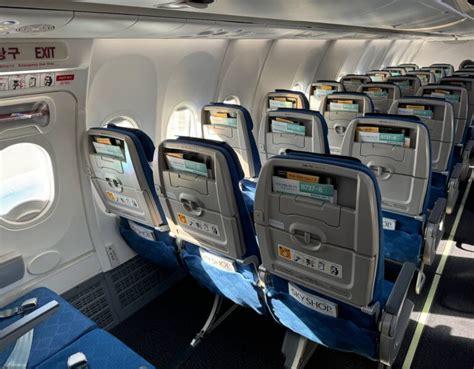
Economy class on this aircraft felt thoughtfully arranged. Seats in row 40D offered a standard 32-inch pitch, providing just enough legroom to stay comfortable without feeling cramped. Each seat was equipped with A/C power and USB-A outlets, personal air vents, and individual reading lights. While the seat padding was not especially plush—particularly when compared to Korean Air’s widebody configurations such as the A380—it proved sufficient for the short flight duration.
Blankets were not distributed proactively, but a few were visible in the overhead bins, suggesting availability upon request. The cabin lighting and air quality were well-maintained throughout the flight, enhancing overall comfort.
In-Flight Entertainment and Connectivity
One of the most notable upgrades aboard the Korean Air 737 MAX 8 is its streaming IFE (In-Flight Entertainment) and Wi-Fi internet service—a new offering for Korean Air’s narrowbody fleet. While the seats lack traditional seatback screens, passengers can access a respectable library of TV shows, music, and films via their own devices.
Wi-Fi pricing was competitive for a regional flight:
- USD 4.95 for messaging-only
- USD 11.95 for full internet access
Due to the short flight duration and a strong cellular signal on the ground before departure, we opted not to connect. However, the presence of this service indicates a clear effort by Korean Air to align with modern passenger expectations, especially important for younger, tech-savvy travelers.
Meal Service That Exceeded Expectations
For a flight covering just 511 miles, the catering was impressive. Shortly after takeoff, the flight attendants began a full meal service, which included:
- Beef with rice
- Shrimp salad
- Sliced fruit
- Bread roll
- Full bar service
The tray was neatly presented and accompanied by metal cutlery, a rarity in economy class these days. The beef was tender and flavorful, and the shrimp salad added a fresh contrast to the hot main. Fruit was ripe and refreshing. The only weak point was the coffee, which lacked strength, though this is not uncommon in airline meal service.
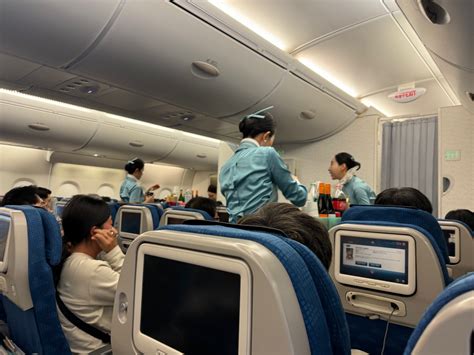
Service was swift yet personable. The flight attendants managed to complete meal distribution and cleanup within a tight window, never compromising on politeness or efficiency. The attention to presentation and hospitality reflects the airline’s traditional service values, reinforcing the strength of Korean Air’s economy product.
Family-Friendly Touches and Attentive Service
Traveling with a child can often highlight the quality of inflight service, and Korean Air rose to the occasion. Shortly after boarding, a flight attendant presented a children’s activity kit, a thoughtful gesture that was well received. While our young traveler may have been slightly beyond the intended age range for the kit, it nonetheless served its purpose by keeping him occupied during the boarding process.
Korean Air’s cabin crew uniforms deserve special mention. Visually appealing and professionally styled, they contribute to the airline’s identity and added to the positive first impressions. Multiple passengers, including aviation bloggers and seasoned flyers, have expressed admiration for the design and presentation of these uniforms, viewing them as among the most elegant in the skies.
Lavatories and Cabin Maintenance
The 737-8 is equipped with one lavatory for business class at the front and two for economy in the rear. During our visit to the economy lavatories, we noted that while the space was expectedly compact, it was clean and stocked. However, the sink design allowed for splashing, a minor inconvenience, especially for travelers trying to freshen up mid-flight. The cleanliness and upkeep remained commendable, which again speaks to the flight attendants’ diligence throughout the cabin.
Arrival at ICN Terminal 2: Efficiency and Elegance
We touched down at Incheon International Airport (ICN) Terminal 2 exactly on schedule. Disembarkation was swift, and the terminal’s modern architecture, clean design, and intuitive wayfinding immediately set it apart as one of the better Asian airports. This was our first experience in Terminal 2, and it left a strong impression.
Connecting through ICN was straightforward, thanks to efficient signage and the lack of bottlenecks. For passengers continuing onto long-haul flights—such as our next segment aboard the Korean Air A380 to Los Angeles—this quick, smooth connection enhances the overall journey experience.
Final Impressions: Korean Air’s Short-Haul Success
This Korean Air 737-8 Economy Class flight delivered a well-rounded, thoughtful travel experience that exceeds expectations for a regional route. Key takeaways from this flight include:
- Friendly and efficient customer service, starting at boarding
- Consistently maintained cabin environment with useful amenities
- Robust meal service well beyond what most short-haul carriers provide
- Introduction of Wi-Fi and streaming IFE, signaling modernization
- A punctual arrival and seamless transfer through an impressive terminal
While there were some minor issues such as average seat padding and weak coffee, these were far outweighed by the attentiveness of the crew, the quality of the meal, and the overall comfort of the journey. For passengers considering regional travel in East Asia, Korean Air’s 737-8 Economy Class product demonstrates why legacy carriers can still stand out in a crowded marketplace.
As Korean Air continues to expand its use of the 737 MAX 8 and enhance its in-cabin offerings, travelers should expect further improvements. Based on this flight, we now look forward with greater anticipation to the airline’s long-haul service aboard larger aircraft.
Whether you’re connecting to a long-haul destination or simply flying between two major East Asian hubs, Korean Air’s short-haul economy service on the 737-8 makes a notably strong impression.