American Airlines’ Aging Boeing 777-200ER Fleet Faces a Major Turning Point
American Airlines is approaching a critical decision that could reshape its international fleet for decades. In 2026, the carrier confirmed that it had issued formal Requests for Proposals (RFPs) to both Boeing and Airbus for a new widebody aircraft order. While the announcement appeared surprising because American has focused heavily on its domestic network in recent years, the underlying reason is clear: the airline must eventually replace its aging Boeing 777-200ER fleet.
The airline operates one of the largest widebody fleets in the United States, but its long-haul strategy is far more conservative than rivals such as United Airlines and Delta Air Lines. American currently relies heavily on Latin American routes, while its transatlantic and transpacific network is smaller than those of its competitors. This makes every widebody investment decision especially important because the aircraft must match the airline’s actual mission profile rather than simply offer the largest possible capacity.
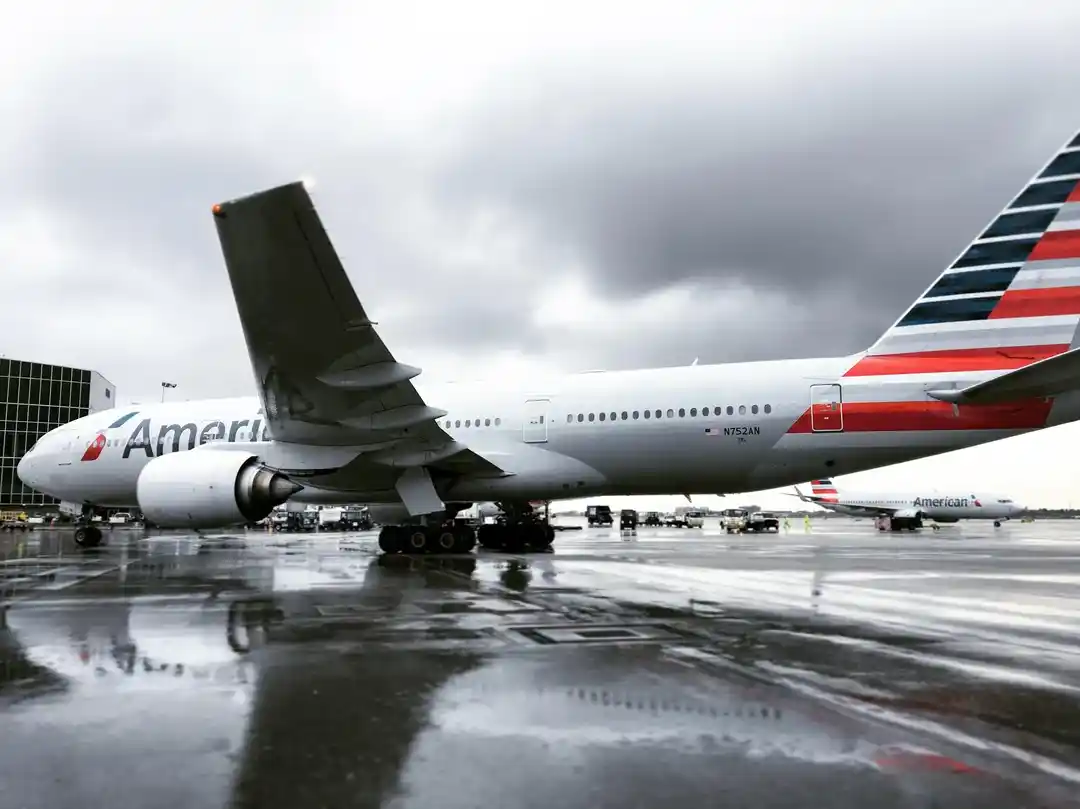
American Airlines currently operates approximately 137 widebody aircraft, consisting of Boeing 777s and Boeing 787 Dreamliners. The fleet includes around 67 Boeing 777 aircraft and 70 Boeing 787 aircraft, with additional Dreamliners already ordered for future growth. However, nearly half of its 777 fleet represents an aging generation of aircraft that entered service more than two decades ago.
The airline’s 47 Boeing 777-200ER aircraft are the center of this replacement discussion. Most of these jets were delivered between 1999 and 2003, meaning many will approach or exceed 30 years of service during the 2030s. Although the aircraft remain capable, they are becoming increasingly expensive to operate compared with newer-generation widebodies.
The situation is made more complicated by their unique configuration. American’s 777-200ER fleet uses Rolls-Royce Trent 800 engines, a powerplant that does not share commonality with the airline’s other widebody aircraft. Maintaining a specialized engine fleet creates additional costs in maintenance, training, and spare parts management.
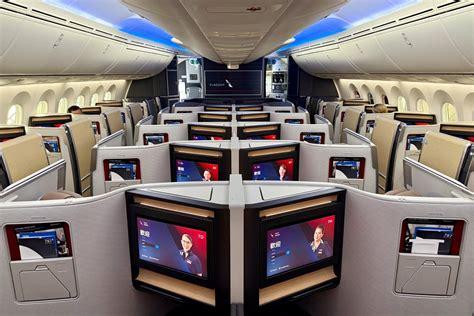
Previously, American Airlines planned to modernize these aircraft with new premium cabins featuring Flagship Suites and improved passenger amenities. However, the launch of a new widebody competition suggests that the carrier may be reconsidering how much money it wants to invest in aircraft approaching retirement age.
Rather than replacing all 47 aircraft immediately, American could follow a gradual transition strategy. Some 777-200ERs may receive cabin upgrades and continue operating, while new aircraft replace the oldest examples. Over time, additional deliveries or option orders could complete the retirement process.
Why The Boeing 787 Dreamliner Has A Major Advantage Over Airbus
At first glance, the upcoming American Airlines widebody competition appears open between Boeing and Airbus. The European manufacturer offers attractive options, including the Airbus A330-900neo and Airbus A350-900, while Boeing could propose additional 787 Dreamliner variants or potentially the larger 777X family.
However, Boeing has one significant advantage that Airbus cannot easily overcome: American Airlines already operates a large Dreamliner fleet.
The airline has ordered 89 Boeing 787 aircraft, including 37 787-8 models and 52 787-9 models. This existing relationship gives Boeing a powerful position because introducing more Dreamliners would require minimal disruption compared with adopting an entirely new aircraft family.
The Boeing 787-9 is already familiar to American’s pilots, maintenance teams, and airport operations staff. The airline has invested years building infrastructure around the aircraft, including spare parts inventories, training programs, and technical expertise.
For Airbus to win the order, it would need to convince American that the advantages of introducing a new aircraft type outweigh the additional costs.
That challenge is particularly difficult because American has increasingly prioritized fleet simplification. The airline currently operates a relatively limited number of aircraft families compared with some global competitors. Introducing a new widebody type would move against that strategy.
A new Airbus aircraft would require pilot training, new maintenance procedures, additional spare parts, and new operational planning. Those costs can become significant when the aircraft does not provide a dramatic improvement over a type already in service.
The Boeing 787-9 Could Quietly Become The 777-200ER Replacement
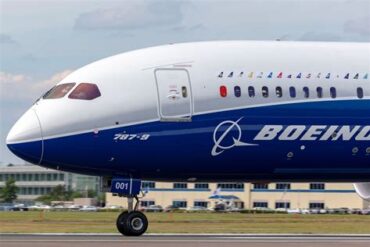
The most obvious Boeing candidate is the 787-9 Dreamliner, which already plays an important role in American Airlines’ international network.
Although the 787-9 is slightly smaller than the 777-200ER, the difference is not as significant as many passengers might assume. Aircraft size alone does not determine profitability. Airlines increasingly focus on efficiency, flexibility, and the ability to match capacity with demand.
The 787-9 offers several advantages that directly match American Airlines’ current strategy. Its composite structure reduces weight, its engines provide excellent fuel efficiency, and its operating economics are among the strongest in the widebody market.
For many routes currently served by the 777-200ER, the Dreamliner could deliver similar passenger capacity while significantly reducing fuel consumption.
The aircraft also provides greater range capability. The 787-9 can fly approximately 7,875 nautical miles, compared with roughly 7,065 nautical miles for the 777-200ER. This gives American additional flexibility when planning future routes.
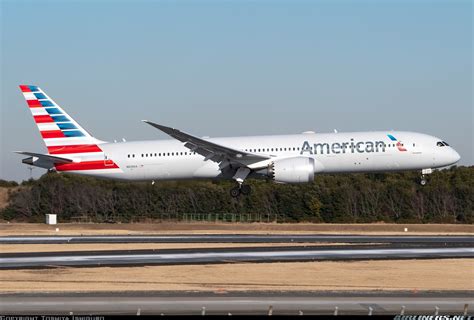
The biggest question is whether American needs a direct replacement in terms of passenger capacity. A larger aircraft does not always create higher profits. If demand does not support additional seats, flying a smaller but more efficient aircraft can generate better financial results.
American’s 777-200ER aircraft are generally used on routes where efficiency matters more than maximum range. Many missions involve flights to Europe and South America rather than ultra-long-distance operations. For these routes, the 787-9 fits the airline’s needs extremely well.
Could The Boeing 787-10 Fill The Larger Widebody Role?
If American Airlines requires additional capacity, Boeing has another option: the 787-10 Dreamliner.
The 787-10 shares the same basic technology as the 787-9 but features a stretched fuselage capable of carrying more passengers. It is effectively the largest member of the Dreamliner family and provides airlines with additional seats without introducing a completely different aircraft type.
The aircraft’s range is lower than the 787-9, but that may not be a serious disadvantage for American. The airline rarely pushes its 777-200ER fleet to its absolute range limits.
The 787-10 can operate many of the same missions currently flown by American’s 777 aircraft, especially high-demand routes where passenger volume matters more than maximum distance.
Its commonality with the 787-9 could also provide major operational benefits. Pilots can transition more easily between variants, maintenance procedures remain similar, and the airline can simplify fleet management.
The combination of 787-9 and 787-10 aircraft could eventually replace the aging 777-200ER fleet while creating a more efficient and streamlined international operation.
Airbus A330neo And A350 Options Face A Difficult Battle
Airbus is not without competitive options. The manufacturer offers two aircraft that could theoretically replace the 777-200ER: the A330-900neo and the A350-900.
The A330-900neo has an appealing advantage: lower acquisition costs. Compared with newer widebody designs, it is generally cheaper to purchase and has better availability. For an airline seeking rapid fleet growth, this could be attractive.
The aircraft also offers impressive range, with capability beyond many routes currently operated by American’s 777-200ER fleet.
However, the A330neo’s biggest weakness is that American already operates a more efficient alternative. The Boeing 787-9 offers better fuel economy on longer missions and fits directly into the airline’s existing fleet structure.
The A350-900 presents a different argument. It is one of the most advanced widebody aircraft in service today, combining long range with excellent efficiency. It can carry slightly more passengers than the 777-200ER while offering significantly greater range.
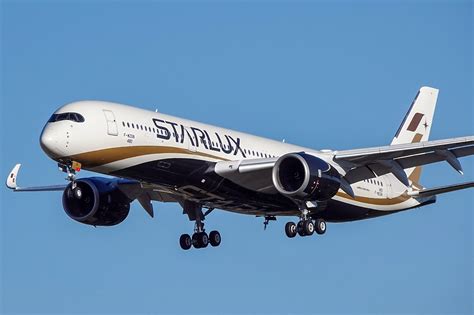
But the A350 may simply be too capable for American’s needs. The airline does not frequently operate ultra-long-haul routes where the aircraft’s additional range becomes essential. On many missions, the cheaper and smaller 787-9 could deliver better economics.
The A350 would also introduce another aircraft family into American’s fleet, creating additional complexity.
Why Airbus May Not Aggressively Chase The American Airlines Order
The widebody market has changed significantly in recent years. Airbus currently enjoys strong demand for the A350, with airlines around the world competing for delivery positions. This means Airbus does not necessarily need every possible order.
The A350 backlog remains strong, allowing Airbus to prioritize customers and maintain pricing power. The A330neo has also seen renewed interest, but production growth remains limited.
Because of this market position, Airbus may not be willing to offer extremely aggressive pricing simply to win American Airlines.
Boeing, meanwhile, has a stronger strategic reason to compete aggressively. Losing American’s future widebody business to Airbus could create long-term consequences, especially because American is one of the world’s largest airlines.
Keeping American committed to the 787 family would strengthen Boeing’s position in the global airline market.
The Future Of American Airlines’ Widebody Fleet May Already Be Flying Today
The outcome of American Airlines’ widebody competition remains uncertain, but the strongest candidate may already be inside its fleet.
The Boeing 787 Dreamliner represents the simplest transition path, combining efficiency, operational familiarity, and proven performance. While Airbus offers capable alternatives, neither the A330-900neo nor the A350-900 provides an obvious advantage large enough to overcome American’s existing investment in Boeing’s widebody family.
The airline’s future may not require a dramatic fleet transformation. Instead, American could quietly expand the aircraft type it already knows best.
By adding more 787-9s and potentially introducing 787-10s, American Airlines could replace its oldest 777-200ER aircraft while improving efficiency, reducing complexity, and creating a more flexible international network.
The aircraft already sitting in American’s fleet may ultimately become the answer to one of the airline’s biggest strategic challenges. The Boeing 787 Dreamliner could quietly become the successor to American’s aging 777 fleet, not through a revolutionary change, but through a careful evolution of the airline’s existing long-haul strategy.