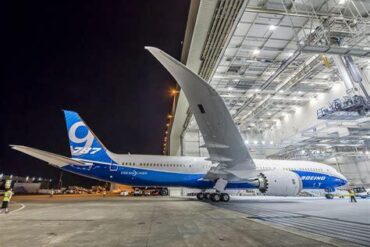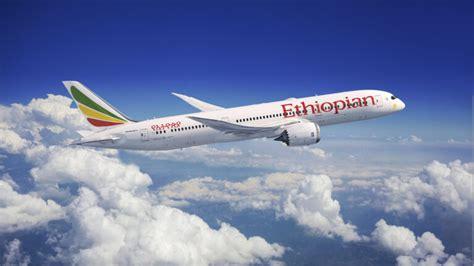
Ethiopian Airlines is reinforcing its commanding position in African aviation with a decisive move to expand its long-haul fleet, converting six Boeing 787-9 Dreamliner options into firm orders. The announcement underscores the airline’s sustained growth trajectory and its calculated strategy to dominate intercontinental travel markets while strengthening operational efficiency. As Africa’s largest airline by both passenger volume and fleet size, Ethiopian Airlines is not merely adding aircraft—it is sharpening a competitive edge that has been years in the making.
Ethiopian Airlines Strengthens Its Dreamliner Leadership
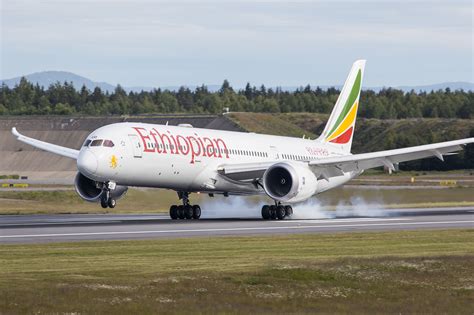
The latest order further solidifies Ethiopian Airlines as the largest Boeing 787 operator on the African continent, a distinction that reflects both scale and strategic foresight. The airline already operates a mixed fleet of 787-8 and 787-9 Dreamliners, leveraging their efficiency and range to connect Addis Ababa with key global markets across Asia, Europe, and North America.
Operating from its hub at Addis Ababa Bole International Airport, the airline has built a network exceeding 145 destinations, seamlessly linking Africa to the world. The addition of six more 787-9 aircraft enhances this network’s resilience and flexibility, allowing the carrier to fine-tune capacity while maintaining cost discipline on long-haul routes.
A Strategic Fleet Expansion Anchored in Efficiency
This move is not an isolated acquisition but part of a broader fleet modernization strategy. Earlier in the year, Ethiopian Airlines confirmed an additional order for nine 787-9 aircraft, signaling a deliberate, phased approach to expanding its widebody capabilities. The airline’s fleet already includes Boeing 777 variants and Airbus A350 models, creating a diversified portfolio of high-capacity, long-range aircraft.
The Boeing 787-9 plays a critical role within this ecosystem. Its mid-size widebody design allows Ethiopian Airlines to open new routes that may not justify larger aircraft while maintaining profitability. This flexibility is particularly valuable in emerging markets, where demand can be unpredictable but full-service connectivity remains essential.
Beyond passenger operations, the aircraft also contributes significantly to cargo capacity, a segment that has become increasingly vital in global aviation economics. Ethiopian Airlines has consistently leveraged its geographic position to act as a cargo bridge between continents, and the additional Dreamliners will further enhance this capability.
Passenger Experience Elevated Through Modern Design
Inside the cabin, the Boeing 787-9 offers a carefully engineered balance of comfort and capacity. Ethiopian Airlines configures the aircraft in a two-class layout accommodating 315 passengers, including 30 seats in its Cloud 9 Business Class and 285 in Economy Class. The business cabin features fully lie-flat seats, designed to meet the expectations of premium travelers on ultra-long-haul journeys.
The Dreamliner’s cabin environment sets it apart from older aircraft generations. Passengers benefit from larger electronically dimmable windows, improved air quality, and higher humidity levels—features specifically engineered to reduce fatigue and enhance overall comfort. Ambient LED lighting further refines the in-flight experience, subtly adjusting to different phases of the journey to mitigate jet lag.

Fuel Efficiency and Operational Versatility Drive Demand
Since its launch in 2004, the Boeing 787 program has consistently attracted airlines seeking fuel efficiency and operational flexibility. The aircraft delivers up to 25% better fuel consumption compared to older widebody models, a performance advantage that directly impacts profitability in an industry defined by tight margins.
For Ethiopian Airlines, this efficiency translates into the ability to sustain long-haul routes while keeping operating costs under control. The aircraft’s range and economics enable the airline to serve both high-demand trunk routes and thinner long-haul sectors that would otherwise be financially unviable.
The Dreamliner’s versatility also supports dynamic scheduling, allowing Ethiopian Airlines to adapt quickly to shifts in passenger demand or cargo requirements. This agility has been a cornerstone of the airline’s growth, particularly as it expands into new markets and strengthens its presence in established ones.
Reinforcing Africa’s Global Aviation Gateway
Ethiopian Airlines’ continued investment in the Boeing 787-9 reflects more than fleet expansion—it signals a broader ambition to position Addis Ababa as a premier global aviation hub. By aligning advanced aircraft technology with a rapidly growing network, the airline is effectively bridging continents while elevating Africa’s role in international air travel.
Under the leadership of CEO Mesfin Tasew, the airline has consistently emphasized sustainable growth and operational excellence. The decision to firm up these orders aligns with that vision, ensuring that Ethiopian Airlines remains competitive in an increasingly crowded global market.
As the Dreamliner fleet expands, so too does the airline’s capacity to redefine connectivity across Africa and beyond. The result is a carrier that is not only growing in size but evolving in sophistication—leveraging modern aircraft to deliver efficiency, comfort, and global reach in equal measure.