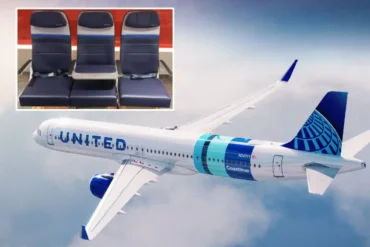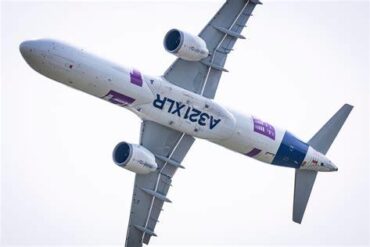
United Airlines is ushering in a transformative chapter in transatlantic aviation with the arrival of the Airbus A321XLR, an aircraft designed not merely to replace the aging Boeing 757, but to fundamentally reshape how premium travel is delivered on long-haul narrowbody routes. While the Boeing 757 earned legendary status for opening transatlantic markets over the past three decades, United’s new Airbus A321XLR introduces an entirely different economic model—one centered on premium demand, operational efficiency, and unprecedented route flexibility.
The most striking difference between the two aircraft lies inside the cabin. United’s Airbus A321XLR features 32 premium seats, exactly double the premium capacity offered by many of the Boeing 757 aircraft it will replace. This strategic shift reflects broader changes in airline economics, passenger expectations, and the growing profitability of premium travel.
United has ordered 50 Airbus A321XLRs, making the aircraft one of the carrier’s most important fleet investments of the decade. Rather than simply replicating the Boeing 757’s configuration, the airline has created a premium-heavy layout intended to maximize yields on long and thin international routes where widebody aircraft would be economically impractical.
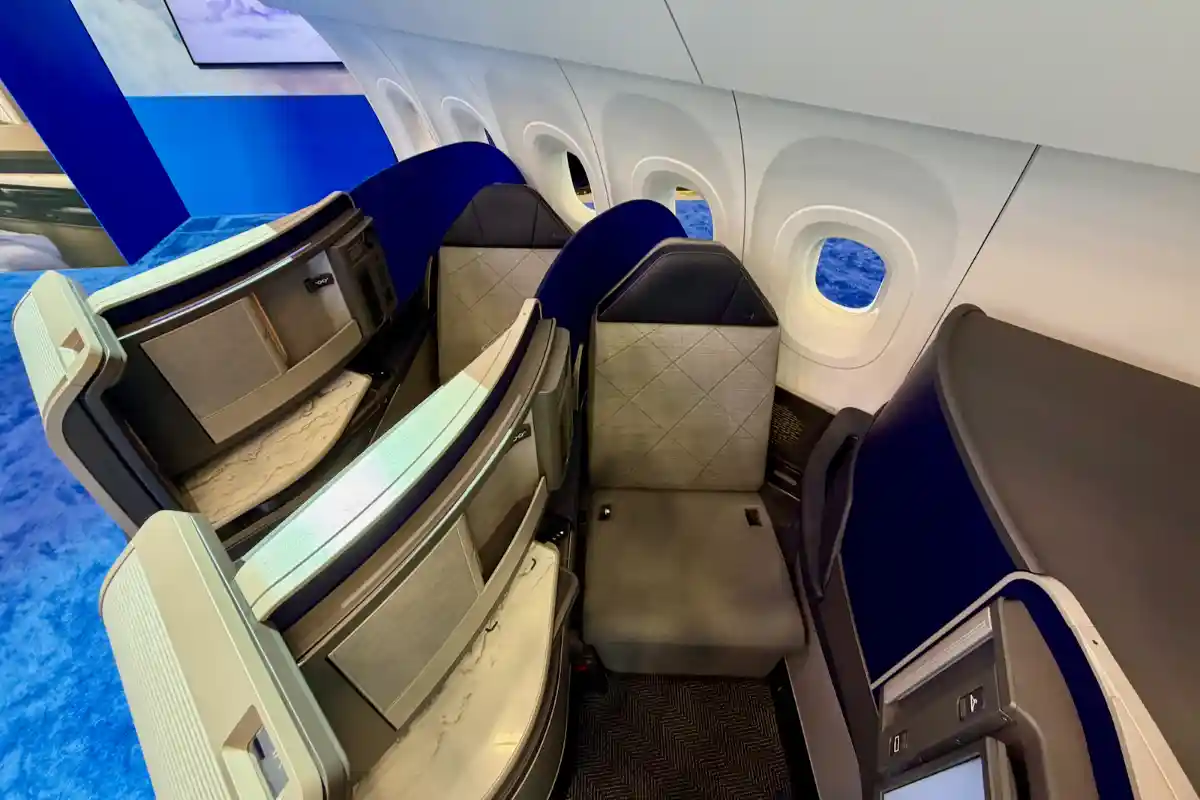
The Airbus A321XLR introduces a sophisticated three-cabin, four-class arrangement consisting of 20 Polaris business class suites, 12 Premium Plus seats, 36 Economy Plus seats, and 82 standard economy seats, for a total capacity of 150 passengers. The configuration signals a deliberate move toward higher-value passengers and greater revenue generation per flight.
United’s Airbus A321XLR Cabin Prioritizes Premium Revenue
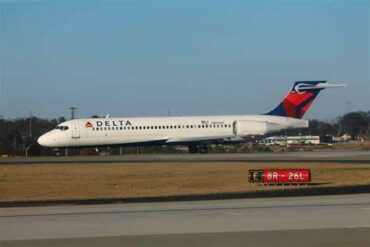
The Boeing 757-200 served United exceptionally well for decades, particularly on transatlantic services connecting secondary European cities with hubs such as Newark and Washington Dulles. However, aviation economics have evolved dramatically since the aircraft first entered service.
United’s Boeing 757-200 international configuration typically offers 16 Polaris seats, 42 Economy Plus seats, and 118 standard economy seats. While the aircraft provided respectable premium capacity, it lacked a dedicated premium economy cabin entirely.
The Airbus A321XLR changes this equation significantly.
| Cabin | Airbus A321XLR | Boeing 757-200 |
|---|---|---|
| Polaris Business | 20 | 16 |
| Premium Economy | 12 | 0 |
| Economy Plus | 36 | 42 |
| Economy | 82 | 118 |
| Total Seats | 150 | 176 |
Although total seat count decreases, premium seating expands dramatically. The addition of 12 Premium Plus seats creates an entirely new revenue stream while simultaneously increasing business-class capacity.
This approach reflects an industry-wide trend: airlines increasingly generate a disproportionate share of profits from premium passengers. Corporate travelers, affluent leisure passengers, and travelers seeking enhanced comfort on flights lasting eight to eleven hours are willing to pay significant premiums for additional space and service.
By reducing overall seat density while increasing premium inventory, United is betting that yield—not volume—will determine profitability on future long-haul narrowbody operations.
Polaris Suites Bring Widebody Luxury To A Narrowbody Aircraft
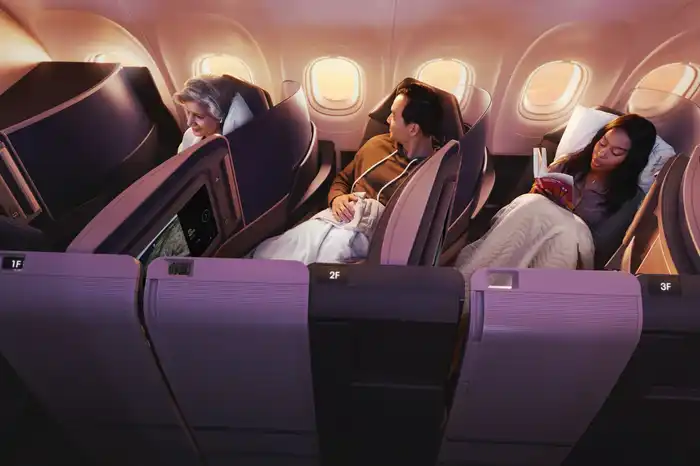
Perhaps the most revolutionary feature aboard United’s Airbus A321XLR is the installation of full Polaris lie-flat suites.
Traditionally, narrowbody aircraft have struggled to offer truly competitive premium products due to cabin width constraints. United addresses this challenge through an innovative herringbone configuration in which seats angle approximately 49 degrees toward the aisle.
The arrangement allows the airline to install 20 fully enclosed suites in a 1-1 layout, an unprecedented premium density for a single-aisle aircraft.
Each Polaris suite is based on the advanced Safran Optima platform, incorporating features normally reserved for flagship long-haul widebody jets:
- Full 180-degree lie-flat beds.
- Privacy doors.
- Large personal storage compartments.
- Wireless charging capabilities.
- Extensive power connectivity.
- High-definition 16-inch entertainment displays.
- Enhanced mood lighting.
Passengers will continue to enjoy the complete Polaris ground experience, including priority services, expedited baggage handling, and access to dedicated Polaris lounges at major United hubs.
For travelers accustomed to crossing the Atlantic in traditional recliner-style business seats, the Airbus A321XLR represents a dramatic improvement.
Premium Plus Fills The Gap Between Business And Economy
The introduction of Premium Plus may ultimately prove even more commercially significant than the Polaris cabin itself.
Historically, United’s Boeing 757 offered passengers a binary choice: pay for business class or remain in economy. The absence of premium economy created a substantial pricing gap.
Premium Plus bridges this divide.
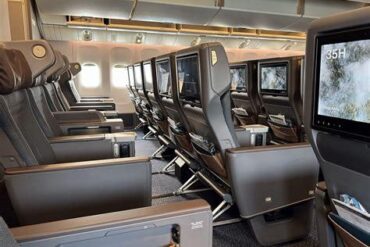
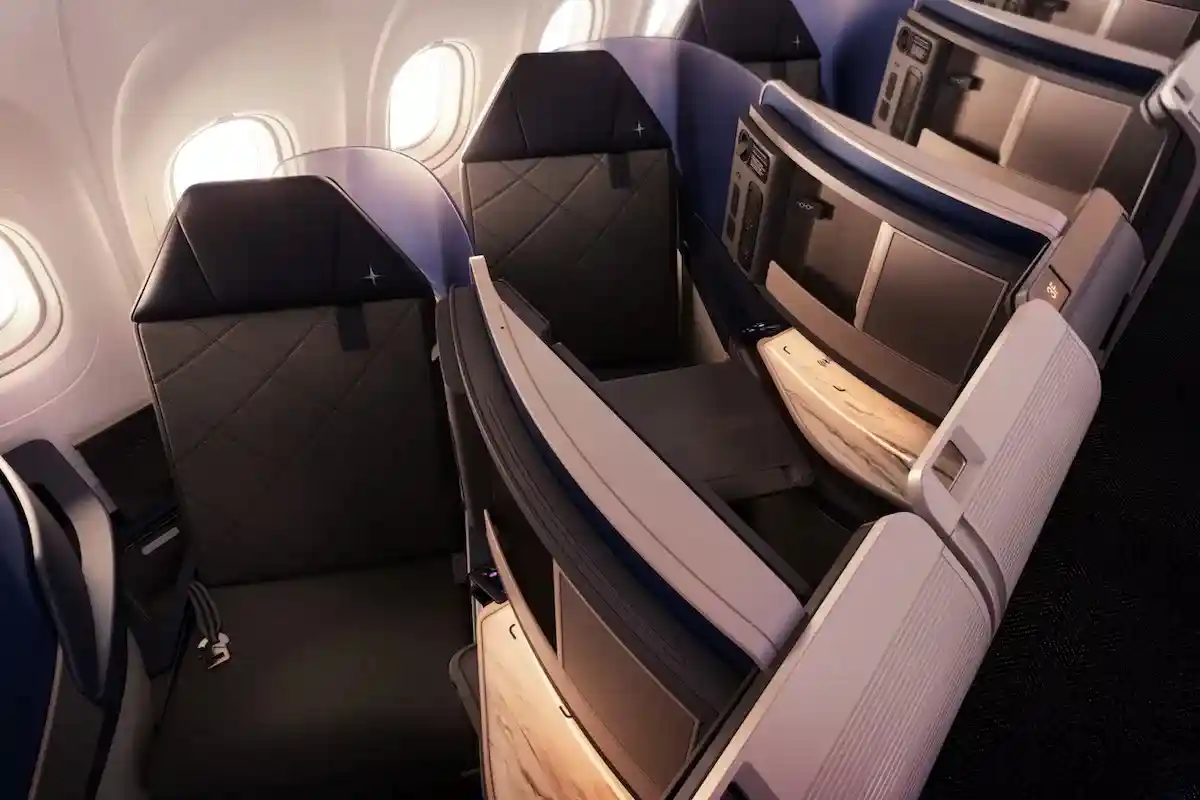
Configured in a spacious 2-2 layout, the cabin provides enhanced comfort while maintaining affordability relative to Polaris. The seats, manufactured by Collins Aerospace, feature wider cushions, increased recline, leather upholstery, adjustable winged headrests, and substantial armrests.
Additional passenger benefits include:
- Two complimentary checked bags.
- Premier Access priority services.
- Priority boarding.
- Enhanced meal offerings.
- Saks Fifth Avenue bedding items.
- Amenity kits.
- Dedicated cabin service.
For flights lasting up to eleven hours, Premium Plus addresses the needs of travelers unwilling to pay business-class fares yet seeking significantly more comfort than economy can provide.
Industry analysts increasingly identify premium economy as one of commercial aviation’s fastest-growing revenue segments. United’s decision to install 12 dedicated Premium Plus seats aboard every A321XLR demonstrates confidence in sustained demand.
Why The Boeing 757 Has Become Economically Unsustainable
Despite its legendary reputation, the Boeing 757 is becoming increasingly difficult for airlines to operate economically.
Introduced during the early 1980s, the aircraft was designed for a fundamentally different aviation environment characterized by lower fuel prices and less emphasis on environmental performance.
Modern airline economics prioritize efficiency above virtually every other consideration.
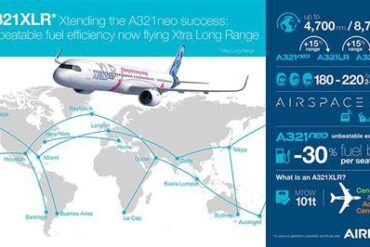
Compared with legacy narrowbody aircraft, Airbus states that the A321XLR delivers approximately 30% lower fuel burn per seat while also reducing noise emissions by roughly 50 percent.
Lower fuel consumption translates directly into reduced operating expenses, particularly on long sectors where fuel costs represent one of an airline’s largest expenditures.
Maintenance economics further favor the Airbus platform. Aging Boeing 757 fleets require increasingly intensive inspections, component replacements, and structural maintenance as aircraft approach or exceed thirty years of service.
United’s executives have openly acknowledged these realities.
Senior Vice President Patrick Quayle noted that while the airline intends to continue serving many markets currently operated by the 757, the aircraft itself is becoming “uneconomic” compared with next-generation alternatives.
Consequently, replacing the 757 is not simply a fleet modernization exercise—it is an operational necessity.
Airbus A321XLR Opens Entirely New International Markets
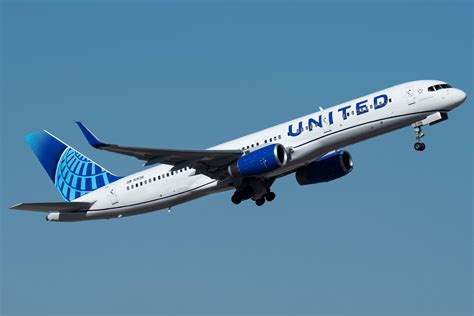
The Airbus A321XLR’s defining characteristic is its remarkable range.
Airbus lists the aircraft’s maximum range at 4,700 nautical miles (8,700 kilometers), enabling nonstop flights previously considered impractical for narrowbody aircraft.
This capability creates substantial opportunities for United.
Rather than concentrating exclusively on major gateways, the airline can now connect secondary cities directly. Markets that lack sufficient demand for a Boeing 787 or Boeing 777 suddenly become viable.
Examples include routes linking North American hubs with destinations such as:
- Manchester.
- Lisbon.
- Porto.
- Oslo.
- Lyon.
- Berlin.
- Nantes.
These “long and thin” routes represent one of the industry’s most promising growth segments.
Passengers increasingly prefer nonstop flights over connecting itineraries, even when traveling between smaller cities. The A321XLR allows airlines to satisfy this demand without deploying oversized widebody aircraft.
The aircraft achieves its exceptional range through several engineering enhancements, most notably a permanent Rear Centre Tank (RCT) capable of storing approximately 3,400 gallons of additional fuel.
Airbus also strengthened the landing gear, upgraded braking systems, and increased maximum takeoff weight to 223,000 pounds (101.5 tonnes).
Combined, these modifications enable flight durations approaching eleven hours while preserving impressive economic performance.
Connectivity And Passenger Experience Receive Major Upgrades
United is positioning the Airbus A321XLR as a next-generation passenger experience rather than merely a replacement aircraft.
One significant enhancement is the introduction of free Starlink Wi-Fi connectivity, offering broadband-quality internet access throughout the flight.
The airline’s first aircraft, registered N64321, was delivered from Airbus’ Hamburg facility and ferried to Tampa specifically for Starlink installation before entering commercial service.
The cabin itself incorporates numerous modern amenities designed to improve passenger comfort during long flights.
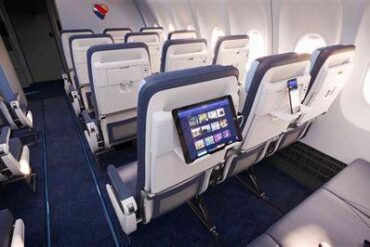
A dedicated snack bar allows travelers to refresh themselves between meal services, while updated lighting systems and advanced inflight entertainment screens create a more contemporary atmosphere.
Even economy passengers benefit from the aircraft’s quieter cabin environment, improved pressurization characteristics, and modern interior architecture.
These enhancements collectively elevate the overall passenger experience well beyond what many travelers currently encounter aboard aging Boeing 757 aircraft.
United’s Premium-Focused Strategy Could Redefine Narrowbody Aviation
United is not alone in embracing the Airbus A321XLR. Air Canada has already begun introducing the aircraft into service, similarly emphasizing premium accommodations on transatlantic routes.
However, United’s configuration stands out because of its exceptionally high premium density.
The airline is effectively betting that the future of long-haul narrowbody flying depends on maximizing premium revenue while leveraging ultra-efficient aircraft economics.
This strategy aligns with broader industry trends. Travelers increasingly seek premium experiences, corporations continue to value nonstop connectivity, and airlines face mounting pressure to improve efficiency and reduce emissions.
The Boeing 757 once revolutionized long-range narrowbody flying by enabling transatlantic operations previously reserved for larger aircraft.
The Airbus A321XLR appears poised to accomplish a similar feat for a new generation—this time with significantly greater efficiency, superior passenger comfort, and a premium-focused business model designed for twenty-first-century aviation.
For United Airlines, doubling premium seats is not merely a cabin redesign. It represents a fundamental reimagining of how airlines can profitably connect the world using narrowbody aircraft.