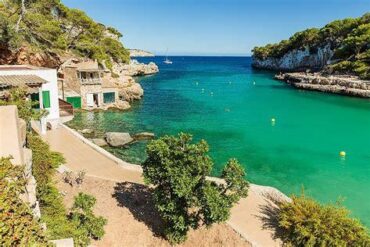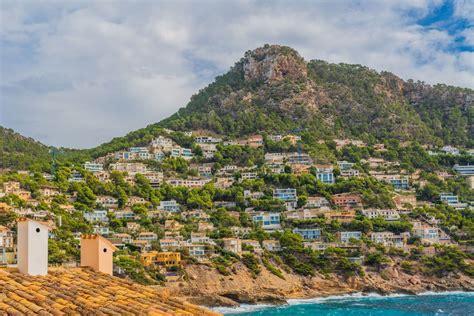
The Balearic Islands of Spain—Mallorca, Menorca, Ibiza, and Formentera—are currently grappling with an alarming housing crisis that threatens to destabilize the region’s social fabric and economy. Authorities have raised urgent concerns that unless immediate action is taken, essential public services could face collapse within the next five years. With the demand for housing continuing to outstrip supply at an unprecedented rate, experts assert that constructing 45,000 new homes by 2029 is critical to alleviating pressure on the islands’ already overstretched infrastructure.
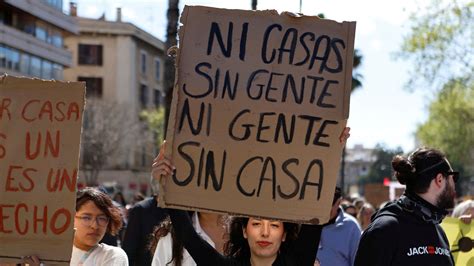
In recent years, Spain has witnessed a remarkable surge in international tourism, with a staggering 94 million visitors recorded last year alone. However, this influx has led to heightened tensions among local residents, many of whom feel that their needs are being overshadowed by the interests of foreign tourists. The rising cost of living, exacerbated by an increasing demand for short-term holiday rentals, has ignited a wave of anti-tourist sentiment, culminating in protests where locals have demanded significant reforms in both housing and tourism policies.
Causes of the Housing Shortage
One of the primary contributors to the housing shortage in the Balearic Islands is the escalating popularity of holiday rentals. Many Spanish citizens argue that the surge in demand for short-term accommodations has led to soaring property prices, making it increasingly difficult for locals to secure affordable housing. With limited options for long-term rentals, many residents find themselves at the mercy of a volatile market that favors investors over families seeking stability. This imbalance has prompted widespread calls for government intervention, including demands for:
- Reducing rent prices by up to 50% in high-demand areas.
- Allowing locals to sign long-term rental contracts that provide security and protection from eviction.
Among the hardest-hit locations in the region is Majorca, which has become a focal point for the housing crisis. The island is inundated with second-home owners and holiday rentals, creating a fiercely competitive market that leaves many locals priced out of their communities. In the third quarter of 2023, foreign buyers constituted 31.93% of property transactions in the area. This influx has significantly inflated property prices, exacerbating the challenges faced by residents seeking to purchase homes.
Illegal Holiday Lets and Their Impact
Compounding the issue, reports indicate that approximately 235,000 illegal holiday lets were operating in the Balearics during the same period, further straining the housing market and driving up rental costs. The prevalence of these unregulated rentals has made it increasingly difficult for locals to find suitable and affordable accommodation. Residents have shared alarming accounts of being approached by property speculators looking to buy their homes for foreign buyers, revealing a disturbing trend in which local populations are being displaced in favor of wealthier outsiders.
In one telling instance, a Palma resident recounted how two well-dressed individuals knocked on his door, eager to negotiate a deal to purchase his apartment. Such unsolicited offers underscore the extent to which foreign investment is contributing to the displacement of long-standing communities in the Balearic Islands.
The Response from Authorities
In light of the dire situation, the president of APROVIBA, a property developer association active in Mallorca, Menorca, and Ibiza, has issued a stark warning regarding the pressing need for new housing. The association estimates that the islands are currently facing a deficit of around 18,000 properties, a gap that is expected to widen significantly as Spain’s aging workforce begins to retire. Without the construction of 45,000 new homes by 2029, the Balearic Islands could be on the brink of a total breakdown of public services, jeopardizing the quality of life for both residents and tourists alike.
To combat the crisis, the Spanish government has initiated measures aimed at increasing housing investment and imposing heavier taxes on foreign property owners. These initiatives seek to ensure that the local population benefits from new housing developments and that the market is not solely dominated by foreign speculators. Currently, around 1,000 new homes are under construction in towns like Manacor, Calvià, and Palma, specifically designed for working families. These properties, priced between €119,000 and €220,000 (£101,000 to £187,000), aim to provide an affordable option for locals struggling to navigate an increasingly competitive market.
The Urgency of a Sustainable Solution
Despite these efforts, the scale of the housing crisis remains daunting, and many believe that more drastic measures will be necessary to prevent further escalation. As pressure mounts on the Spanish government to take decisive action, the future of the Balearic Islands’ housing market hangs in the balance. With the local population continuing to grow and the tourism sector thriving, finding a sustainable solution to the housing crisis has never been more urgent.
As the Balearic Islands stand at a critical juncture, the need for a balanced approach that addresses the demands of both residents and tourists is paramount. The path forward will require collaboration between government officials, developers, and the local community to forge a way that ensures the viability of the housing market while preserving the unique character and charm of these stunning islands. The stakes are high, and the time for action is now.