In recent weeks, a coalition of African nations, including Tanzania, Angola, Benin, Burkina Faso, Cameroon, the Democratic Republic of Congo, Egypt, Ethiopia, and Ghana, has embarked on a concerted diplomatic effort aimed at preventing proposed travel restrictions by the United States. These potential restrictions, part of a broader immigration policy overhaul, threaten to impose significant barriers for citizens seeking to travel for business, tourism, education, and other essential exchanges. As the deadline for compliance looms closer, these countries are urgently addressing consular issues and striving to align their immigration practices with US standards to safeguard the free movement of their citizens.
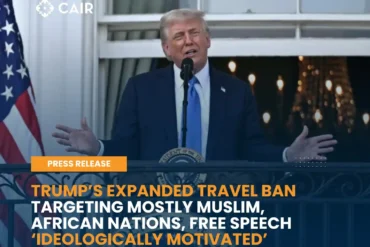
The Tanzanian government has taken proactive steps in response to alarming reports suggesting that its citizens may soon face new travel limitations. These diplomatic discussions were initiated amid fears of the reintroduction of policies reminiscent of the previous Trump administration’s travel bans, which had left many nations grappling with restricted access to the US. The Tanzanian authorities are engaging with US officials to tackle pressing consular and immigration concerns, emphasizing their commitment to ensuring that Tanzanians are not unfairly targeted by the impending restrictions.
On June 18, 2025, Tanzanian officials publicly confirmed the developments and reassured the populace that comprehensive measures are being undertaken to navigate this precarious situation. They articulated a clear intent to resolve any outstanding issues related to immigration protocols, thereby alleviating the potential for negative repercussions on their citizens’ travel capabilities. The Ministry of Foreign Affairs issued a statement underscoring the urgency of the matter: “We are committed to ensuring that Tanzanians do not face travel restrictions when attempting to enter the United States.”
As discussions unfold, it has been revealed that Tanzania is among thirty-six countries potentially affected by the proposed travel restrictions. The ramifications of such measures could be extensive, as many of these nations rely heavily on robust international relationships, particularly with the US, for trade, tourism, and educational opportunities. In particular, citizens from these countries depend on their ability to travel to the US for various reasons, including pursuing higher education, engaging in business ventures, or seeking medical treatment.

Moreover, the US State Department has circulated a memo detailing the conditions that these nations must meet within a strict sixty-day timeframe. This memo outlines several critical benchmarks that countries must fulfill, including establishing a functional governmental system, issuing appropriate civil documentation, and collaborating effectively with US authorities to mitigate issues related to illegal immigration and visa overstays. Countries have been flagged based on their failure to address prevalent issues such as immigration fraud or inadequacies in managing visa compliance.
The implications of the potential travel restrictions extend beyond mere inconvenience. For many citizens of these nations, especially Tanzanians, the prospect of losing access to the US could have dire personal and professional consequences. With the US being one of the top destinations for international travelers, any limitations could stifle opportunities for economic growth, educational advancement, and cultural exchange. There is a palpable sense of urgency among Tanzanian officials as they grapple with the pressing need to meet US requirements while simultaneously safeguarding the interests of their citizens.
As these diplomatic negotiations progress, the Tanzanian government remains committed to working closely with US counterparts. Officials are optimistic that by addressing any deficiencies within their immigration frameworks and demonstrating a willingness to comply with US expectations, they can successfully navigate this challenging landscape. This initiative reflects a broader trend among other African nations facing similar challenges, as they collectively advocate for fair treatment and equitable solutions to avoid undue penalties resulting from systemic governance issues.
Countries such as Angola, Benin, Burkina Faso, Cameroon, the Democratic Republic of Congo, Egypt, Ethiopia, and Ghana are also stepping up their diplomatic engagements with the US. Their efforts highlight the importance of maintaining open lines of communication and cooperation, especially in an era where international relations are increasingly influenced by national security concerns. The collective stance of these nations underscores the argument that penalizing entire populations for issues beyond their control, such as historical governance failures or immigration management deficiencies, is fundamentally unjust.
The evolving situation presents a critical moment for African nations in their relationship with the United States. As the sixty-day deadline approaches, these countries are racing against the clock to align with the newly established benchmarks set forth by the US. The outcome of these diplomatic endeavors will not only determine the future of travel for Tanzanians but will also shape the broader narrative of international cooperation in an increasingly interconnected world.
In summary, the diplomatic initiatives led by Tanzania and its African counterparts represent a significant effort to confront the looming challenge posed by potential US travel restrictions. Through proactive engagement, these nations aim to forge a path forward that prioritizes the rights and mobility of their citizens while fostering stronger international ties. As they strive to meet compliance requirements, the ongoing discussions will undoubtedly be pivotal in shaping the future of travel for millions of individuals who seek to connect with the US for a myriad of purposes. The coming weeks will reveal whether these diplomatic efforts yield positive results, allowing for continued free movement and international collaboration across borders.