June 2026 has begun with an aggressive expansion push from Volaris, as Mexico’s leading ultra-low-cost carrier launched an impressive ten new routes connecting regional Mexican cities with destinations across the United States in just two days. The rapid rollout highlights the airline’s growing focus on the lucrative transborder market and reinforces its strategy of strengthening connectivity between underserved Mexican regions and major American population centers.
Rather than concentrating growth at Mexico City’s crowded airports, Volaris has chosen a different path. The carrier is expanding from secondary Mexican cities where demand for direct international services continues to rise. This approach allows the airline to avoid some of the operational constraints associated with the capital while tapping into large communities with strong economic, family, and tourism ties to the United States.
The scale of the expansion is particularly notable because all ten routes entered service within the first forty-eight hours of June. The move significantly increases Volaris’ U.S. network footprint and positions the airline to capitalize on anticipated travel demand ahead of a busy summer season that includes growing international tourism and increased movement associated with the upcoming FIFA World Cup cycle.
During the first day of the expansion, five new U.S.-bound services commenced operations from Guadalajara, Puebla, and Querétaro. Guadalajara, one of Volaris’ most important operating bases, added new nonstop connections to Detroit and Salt Lake City. Both routes are scheduled to operate three times per week, creating new travel options for passengers seeking direct access between western Mexico and key economic centers in the American Midwest and Mountain West.
The Guadalajara–Detroit route represents a strategic addition to the carrier’s network. Detroit remains an important industrial and manufacturing hub with strong links to the automotive sector, while Guadalajara continues to serve as one of Mexico’s leading technology and business centers. The Salt Lake City service similarly opens new opportunities for leisure travelers, business passengers, and visiting friends-and-relatives traffic.
Puebla also joined the expansion effort with the launch of nonstop flights to Los Angeles. The California market has long been one of the most important international destinations for Mexican carriers due to the large Mexican-American population and extensive cross-border travel demand. By adding direct service from Puebla, Volaris strengthens its position in a market where convenience and low fares remain powerful competitive advantages.
Querétaro, one of Mexico’s fastest-growing industrial regions, introduced two new connections during the first day of expansion. Flights to Houston and Orlando broaden the city’s international reach while supporting both business and leisure travel. Houston continues to attract significant traffic due to its role as an energy and commercial center, while Orlando remains one of the most popular tourism destinations in the United States.
The second day of Volaris’ expansion was equally ambitious. Querétaro received two additional U.S. routes with new services to Dallas/Fort Worth and San Antonio. Both destinations play important roles within Texas, a state that consistently ranks among the strongest international markets for Mexican airlines.
Dallas/Fort Worth serves as one of North America’s largest aviation hubs, offering extensive connectivity and a substantial Mexican-American population. Meanwhile, San Antonio maintains deep cultural, historical, and economic ties with Mexico, making it a natural addition to Volaris’ growing network.
Puebla gained two more international services with flights to Newark and Houston. The Newark route provides direct access to the densely populated New York metropolitan region, significantly enhancing travel options for passengers in central Mexico. Houston, already one of the most important gateways between the United States and Mexico, further strengthens Puebla’s connectivity to major commercial markets.
The final route launched during the two-day expansion originated in San Luis Potosí. The city gained new nonstop service to Chicago Midway, adding another important destination to Volaris’ expanding U.S. portfolio. Chicago remains one of the largest centers of Mexican heritage and culture in the United States, making the route a logical addition for both family travel and business connectivity.
What makes this expansion particularly significant is its deliberate focus on regional markets rather than Mexico City. Many airlines traditionally prioritize growth from major capital-city airports, but Volaris is increasingly demonstrating confidence in Mexico’s secondary cities. These markets often feature strong local demand, lower operating costs, and opportunities for direct point-to-point service that bypasses congested hubs.
The strategy aligns closely with comments from Volaris leadership regarding the importance of international operations. Amid ongoing industry challenges, including elevated fuel costs and shifting demand patterns, the airline has emphasized the stronger revenue potential of transborder flying. International routes frequently generate higher yields than domestic services, making them attractive targets for network growth.
The numbers illustrate just how important the United States has become for Volaris. Throughout June 2026, the airline is scheduled to operate approximately 360 departures to U.S. destinations, averaging around twelve flights every day. Such figures underscore the central role that cross-border travel plays within the carrier’s overall business model.
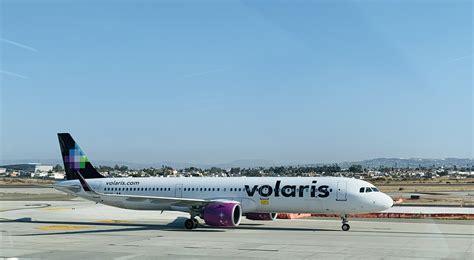
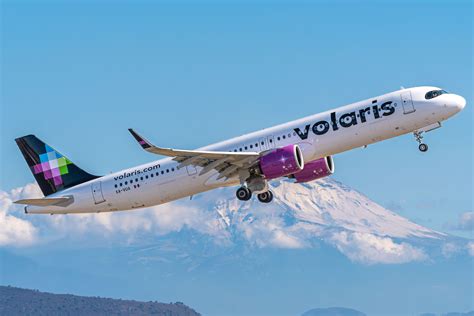
Aircraft deployment patterns further reinforce this priority. Volaris is assigning many of its larger-capacity aircraft to U.S. routes, including substantial utilization of the Airbus A321-200 and Airbus A321neo fleets. These aircraft offer increased seating capacity and improved economics, allowing the airline to maximize efficiency on high-demand international sectors.
The newer A321neo, in particular, has become a critical asset for the carrier. Its improved fuel efficiency and extended operational capabilities support Volaris’ low-cost business model while helping the airline maintain competitive fares across a growing network.
As the summer travel season accelerates, these ten newly launched routes represent more than a simple network expansion. They signal Volaris’ confidence in sustained demand between Mexico and the United States and demonstrate how regional Mexican cities are becoming increasingly important players in international aviation.
With direct connections now linking Guadalajara, Puebla, Querétaro, and San Luis Potosí to major American destinations, Volaris has strengthened its position as one of the most influential carriers in the North American transborder market. The speed and scale of this expansion suggest that the airline sees substantial opportunities ahead, particularly as international travel demand continues to recover and evolve across the continent.