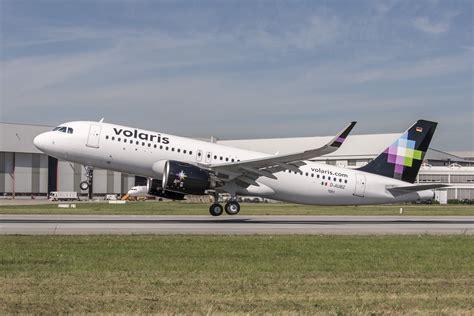
Mexico’s leading low-cost carrier, Volaris, has significantly bolstered its transborder operations with the delivery of three brand-new Airbus A320neo aircraft, a move poised to redefine its competitive edge across Mexico, the United States, and key regional markets. This fleet expansion, backed by CDB Aviation, underlines Volaris’ aggressive growth trajectory and its commitment to enhanced connectivity, fuel efficiency, and sustainable aviation practices.
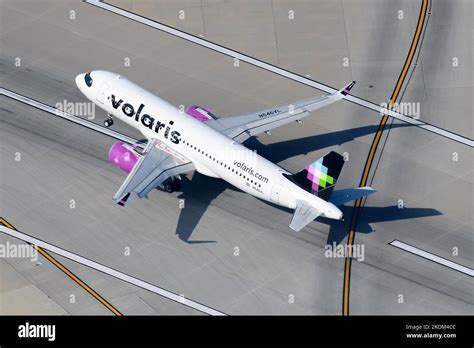
The timing of this delivery is strategic. As post-pandemic travel demand continues to surge across North America, Volaris is positioning itself to absorb traffic growth, cater to evolving passenger expectations, and maintain operational supremacy in a market dominated by price-sensitive flyers and route efficiency. These new aircraft are not just about adding capacity—they symbolize a shift in how Volaris scales while maintaining environmental responsibility and passenger satisfaction.
Strengthening Cross-Border Operations with Advanced Fleet Capabilities
The integration of the Airbus A320neo aircraft provides Volaris with a technical and operational upgrade that directly benefits its Mexico–US network. Known for their superior fuel efficiency, extended range, and lower noise emissions, the A320neo jets are tailor-made for high-frequency, medium-haul routes. This means Volaris can now:
- Offer increased flight frequency between core hubs like Mexico City, Guadalajara, and Tijuana to major U.S. gateways such as Los Angeles, Chicago, and Dallas.
- Reduce per-seat operational costs thanks to 15–20% improved fuel burn compared to previous-generation aircraft.
- Expand to underserved secondary markets without compromising profitability, leveraging the aircraft’s low operating costs and extended reach.
These improvements empower Volaris to reinforce its market leadership in the ultra-competitive US-Mexico corridor, which continues to see increased demand from VFR (visiting friends and relatives) travelers, business passengers, and cost-conscious tourists.
A Strategic Alliance with CDB Aviation
At the core of this transaction is a deepening alliance with CDB Aviation, a global aircraft leasing powerhouse and a subsidiary of China Development Bank Financial Leasing Co., Ltd. The successful delivery of the A320neo trio to Volaris underscores the leasing firm’s agility, responsiveness, and client-first approach.
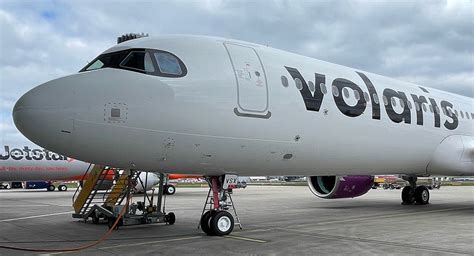
The leasing arrangement was executed with precision and flexibility, including a novel delivery model wherein aircraft engines were shipped months ahead of airframes. This enabled Volaris to streamline installation logistics and accelerate entry into service. Such an approach speaks volumes about CDB Aviation’s understanding of airline operational pain points and its ability to customize solutions accordingly.
For Volaris, the partnership extends beyond aircraft acquisition—it’s about strategic fleet development, long-term financing agility, and accessing cutting-edge aviation technology without bearing the financial burden of outright purchases. CDB Aviation, for its part, continues to solidify its role as a key enabler of airline modernization across emerging and developed markets alike.
Sustainability Goals Aligned with Next-Gen Technology
These A320neo aircraft are not just about efficiency—they’re a reflection of Volaris’ escalating commitment to sustainable aviation. With growing scrutiny around carbon emissions and the environmental footprint of commercial aviation, Volaris has embraced a fleet modernization strategy centered on fuel-saving, lower-emission aircraft.
The Airbus A320neo brings a suite of green credentials:
- LEAP-1A engines that cut nitrogen oxide emissions and achieve up to 20% fuel savings.
- Sharklet wingtip devices that reduce aerodynamic drag and improve range.
- Reduced noise footprint that complies with global Stage 4 noise regulations.
Volaris’ continued integration of these aircraft ensures it remains aligned with ICAO’s CORSIA (Carbon Offsetting and Reduction Scheme for International Aviation) targets and Mexico’s national sustainability benchmarks. The move also resonates with eco-conscious passengers who are increasingly factoring in carbon impact when choosing airlines.
Expanding Market Reach Across the Americas
With the arrival of these new aircraft, Volaris is primed to expand its network beyond traditional strongholds, tapping into emerging routes across Central and South America. This includes destinations with growing economic ties to Mexico and underserved travel corridors where demand outpaces capacity.
The A320neo’s performance profile allows Volaris to:
- Serve longer domestic legs in Mexico, such as Cancun to Tijuana, without refueling.
- Introduce nonstop services to smaller U.S. cities lacking direct international connectivity.
- Increase frequency on high-volume routes without adding significant overhead.
Combined with its ultra-low-cost carrier (ULCC) model, Volaris can now provide more accessible fares and improved schedules, while continuing to capture a larger share of intra-regional travelers. The new aircraft align seamlessly with its broader growth blueprint: maximize load factors, minimize unit costs, and drive network synergies.
Reinforcing Competitive Position in North American Aviation
The U.S.–Mexico aviation market is one of the most lucrative and competitive in the world. It hosts numerous legacy and low-cost carriers all vying for the same passenger pool. In this high-stakes environment, Volaris’ decision to expand its fleet with A320neo aircraft is both defensive and opportunistic.
It defends against cost escalations by ensuring fuel and maintenance savings and opens new revenue opportunities by enabling route expansion and greater utilization. It also reinforces Volaris’ reputation as a tech-forward, efficiency-driven airline, appealing to passengers and partners alike.
More importantly, these new jets will be instrumental in helping Volaris:
- Maintain its position as Mexico’s largest domestic carrier by market share.
- Strengthen its partnership potential with U.S. carriers and code-share allies.
- Future-proof its operations with a modern, versatile, and scalable fleet.
A Broader Shift in the Airline Leasing Ecosystem
The Volaris-CDB Aviation transaction highlights a broader industry trend: the increasing role of leasing firms in airline transformation. As financial pressures mount on airlines worldwide, especially those operating in price-sensitive markets, aircraft leasing provides a flexible, asset-light path to modernization.
CDB Aviation’s proactive delivery process, coupled with its innovative lease structuring, is a textbook example of value-added lessor collaboration. It demonstrates how lessors can be more than just financiers—they can be strategic growth partners, especially in the ULCC segment where scale, timing, and cost-effectiveness define success.

As airlines push for newer aircraft to meet evolving regulatory and customer expectations, leasing firms that offer bespoke solutions and speed-to-market advantages will become indispensable players in the aviation supply chain.
Looking Ahead: A Blueprint for Scalable Growth
The successful delivery and integration of these Airbus A320neo aircraft is far from a routine fleet upgrade—it’s a signal of intent. Volaris is preparing for a future where aviation is leaner, greener, and more competitive than ever. By embracing state-of-the-art aircraft, forging strong partnerships, and prioritizing sustainability, Volaris is laying the groundwork for agile, responsive, and profitable expansion.
Moreover, this move reinforces the airline’s role as a critical link in US–Mexico connectivity, at a time when regional cooperation, economic integration, and cross-border mobility are more important than ever.
The partnership with CDB Aviation will likely continue to flourish, with further aircraft deliveries anticipated as part of Volaris’ long-term fleet renewal plan. Passengers, too, stand to benefit: quieter cabins, smoother flights, and a smaller carbon footprint—hallmarks of modern air travel that this new fleet makes possible.
With these three Airbus A320neos now in active service, Volaris is not just increasing its aircraft count—it’s redefining its future. A future where efficiency meets ambition, where partnerships fuel innovation, and where connectivity across the Americas is stronger than ever.