The 2026 FIFA World Cup has delivered unforgettable moments on the field, but for the Egyptian national team, one of the tournament’s most significant challenges has emerged away from the stadium. Just hours after securing a historic victory over New Zealand, Egypt found itself navigating an unexpected logistical setback that could influence preparations for one of the most important matches in the country’s football history.
Egypt’s dramatic 3-1 comeback victory over New Zealand marked a milestone achievement. After trailing 1-0, the Pharaohs responded with three unanswered goals to secure the nation’s first-ever FIFA World Cup victory. The result elevated Egypt to the top of Group G and positioned the team within touching distance of a historic place in the knockout rounds.
However, celebrations proved short-lived as tournament logistics quickly became the focus.
Egypt’s Seattle Plans Blocked Following Historic Victory
Following the triumph in Vancouver, Egypt had hoped to travel directly to Seattle, the venue for its upcoming group-stage showdown against Iran. The objective was straightforward: minimize travel demands, maximize recovery time, and allow players to train closer to the match venue.
Instead, security authorities denied the team’s request to remain in Seattle ahead of the fixture. As a result, the squad was required to return to its designated tournament training base in Spokane, Washington, before making another trip to Seattle later in the week.
The decision has created additional travel requirements at a critical stage of the competition. Coaches and support staff had viewed a direct transfer to Seattle as the most efficient solution, particularly given the physical demands already placed on players during the tournament.
According to team officials, the request had been submitted in advance and was intended to reduce fatigue while optimizing preparations for the decisive encounter against Iran.
Hossam Hassan, Egypt’s manager, expressed disappointment over the outcome, emphasizing the impact that repeated travel could have on player readiness. With only a few days separating the New Zealand victory and the Iran match, every training session and recovery period carries heightened importance.
Why the Iran Match Carries Historic Significance
The upcoming contest in Seattle is far more than a routine group-stage fixture. It could determine the winner of Group G and potentially shape the pathway each team faces in the knockout rounds.
Egypt currently leads the group with four points following its draw in the opening match and victory over New Zealand. Iran sits close behind, making the encounter a virtual group final.
For Egypt, the stakes are enormous. This is only the fourth World Cup appearance in the nation’s history, and the team has never progressed beyond the group stage. Reaching the knockout rounds would represent one of the greatest achievements in Egyptian football history.
The coaching staff therefore views every aspect of preparation—training schedules, recovery periods, travel arrangements, and tactical sessions—as critically important.
The forced return to Spokane introduces additional complexity into a carefully planned preparation schedule that had been designed to keep players fresh ahead of the decisive showdown.
Spokane Serves as Egypt’s World Cup Base
Like all participating nations at the expanded 48-team World Cup, Egypt selected a dedicated training base before the tournament began.
The vast geography of the 2026 tournament, spread across the United States, Canada, and Mexico, has transformed travel planning into a major strategic consideration. Teams frequently face journeys spanning hundreds or even thousands of miles between matches.
Egypt chose Spokane as its operational headquarters during the competition. Located in eastern Washington State, Spokane offers training facilities and accommodation away from the pressures of host cities while still providing access to tournament venues through charter flights.
The city sits approximately 280 miles east of Seattle and more than 400 miles southeast of Vancouver, creating a manageable but still significant travel commitment whenever the team moves between locations.
Charter Flights Have Become Essential Tournament Infrastructure
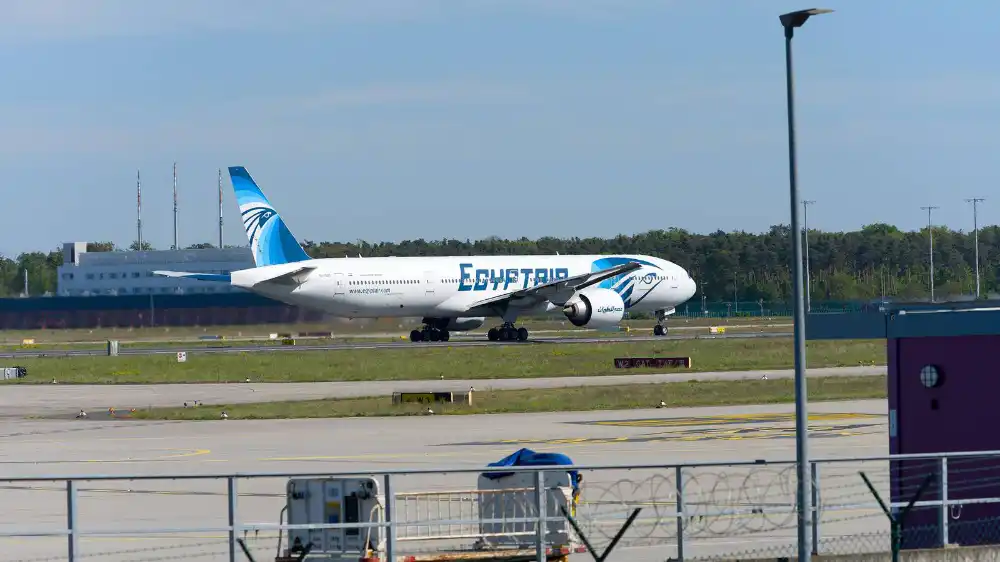
Throughout the World Cup, Egypt has relied on specially arranged charter services to transport players, coaches, medical staff, and support personnel between host cities.
For the trip to Vancouver, the team traveled aboard a chartered Airbus A220-300 operated by Breeze Airways. The modern narrowbody aircraft provided a comfortable and efficient journey from Spokane International Airport to Vancouver International Airport.
The A220 has become increasingly popular among airlines due to its fuel efficiency, passenger comfort, and operational flexibility. For sports teams, chartering such aircraft offers scheduling control and privacy that commercial flights cannot match.
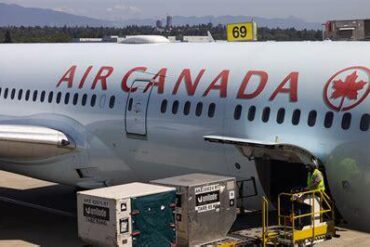
Following the New Zealand match, Egypt had anticipated continuing directly to Seattle. Instead, arrangements were made for a return flight to Spokane aboard an Air Canada-operated Airbus A320 charter.
While the flight itself lasted only around an hour, the additional movement adds another layer of logistics during a period when players would ideally focus solely on recovery and preparation.
Whether the team ultimately flies or travels by bus from Spokane to Seattle later in the week remains uncertain. The flight takes roughly one hour, while a road journey typically requires around four hours.
Travel Challenges Are Becoming a Defining Story of the 2026 World Cup
Egypt’s situation highlights a broader reality facing teams participating in the largest World Cup ever staged.
The tournament’s unprecedented scale has created unique logistical challenges across North America. Long distances between venues, border crossings, security requirements, and accommodation arrangements have become nearly as important as tactical planning.
Many national federations invested heavily in travel operations months before the tournament began, recognizing that efficient logistics could provide a competitive advantage.
Even so, unexpected disruptions remain unavoidable.
Iran Faces Even Greater Travel Restrictions
While Egypt’s frustrations are understandable, its upcoming opponent has encountered even more significant obstacles.
Iran has been unable to establish a training base within the United States and has instead operated from Tijuana, Mexico. The arrangement requires repeated cross-border travel for matches and severely limits flexibility compared with most other participating nations.
Unlike teams that can remain near host venues before and after games, Iran has faced restrictions requiring immediate travel back to its base after matches conclude.
Iranian manager Amir Ghalenoei has publicly acknowledged the difficulties created by those conditions, noting that the logistical burden has complicated preparations throughout the tournament.
As a result, Friday’s meeting in Seattle will feature two teams that have both faced unusual travel-related challenges, albeit on different scales.
For Egypt, the focus now shifts toward ensuring that an unexpected travel detour does not distract from a potentially historic opportunity. The victory over New Zealand has already rewritten part of the nation’s World Cup story. A positive result against Iran could take Egypt further than it has ever gone before, transforming a memorable tournament into a landmark chapter in Egyptian football history.