Understanding What Degree a Pilot Needs in Modern Aviation
In the competitive world of aviation, aspiring pilots must navigate a complex and structured educational path. The question “What degree does a pilot need?” reflects the broader conversation about the academic, regulatory, and technical requirements essential for launching a career in this high-stakes profession. While becoming a pilot does not always require a specific degree, the path toward becoming an airline or commercial pilot is steeped in education, licensing, and intensive training.
Educational Foundations for Pilots
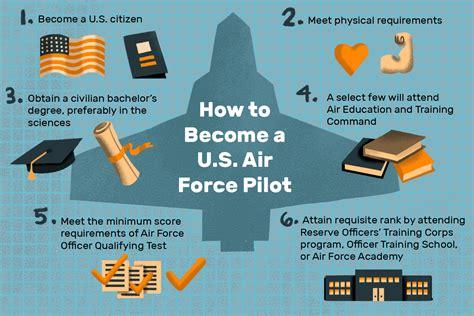
Airline pilots typically need a bachelor’s degree, though it doesn’t have to be in aviation specifically. Common fields include aeronautical engineering, aviation management, transportation, business, or even physics.
This formal education is vital not only to meet hiring qualifications but also to develop the analytical, communication, and decision-making skills crucial in the cockpit. Major airlines prefer candidates who have demonstrated academic discipline, especially when paired with the technical rigor of flight training.
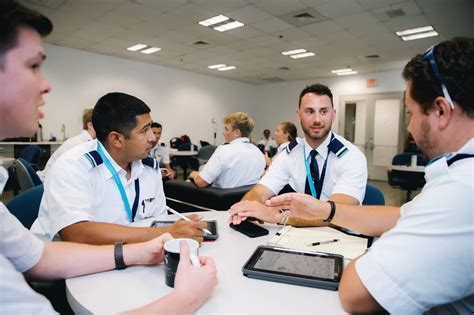
By contrast, commercial pilots—who may fly charter flights, cargo planes, or engage in aerial photography—are not always required to have a degree. However, having one can enhance employability, open doors to higher-paying jobs, and help in advancing to airline positions.
Colleges and universities offer both two-year associate programs and four-year bachelor’s degrees that integrate FAA-certified flight training. Examples include programs at institutions like Embry-Riddle Aeronautical University, Purdue University, and Arizona State University.
The Structured Path to Licensure and Certification
Earning a degree alone is not sufficient. Pilots must obtain a series of FAA-issued certificates and ratings, which are integral to their professional trajectory. These include:
-
Student Pilot Certificate
-
Private Pilot Certificate
-
Instrument Rating
-
Commercial Pilot Certificate
-
Multi-Engine Rating
-
Airline Transport Pilot (ATP) Certificate
Each of these certifications requires a mix of ground school, flight time, and the passing of written and practical exams (commonly referred to as a “check ride”).
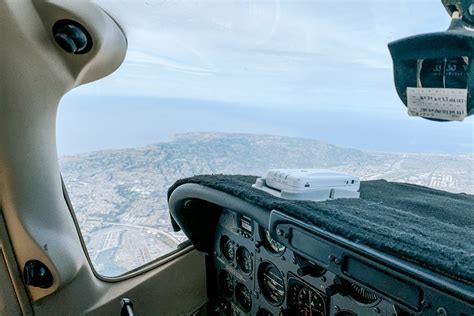
The journey begins with a student pilot certificate, often obtained in parallel with enrollment in a flight school or aviation degree program. This certificate allows students to begin supervised flight training.
Next is the private pilot certificate, which grants the ability to fly solo or with passengers but not for compensation. It’s a foundation license requiring at least 40 hours of flight time, including solo and cross-country flights.
Instrument Rating and Commercial Pilot Certification
An instrument rating is critical for flying in low-visibility conditions and controlled airspace. Pilots seeking to become professionals need this qualification to demonstrate proficiency in navigation using only instruments. Requirements include at least 40 hours of instrument flight time and 50 hours of cross-country flying.
The next major milestone is the Commercial Pilot Certificate, which allows a pilot to be compensated for flying. The FAA mandates that applicants:
-
Be at least 18 years old
-
Log 250 total flight hours
-
Pass a second-class medical exam
-
Demonstrate proficiency in advanced maneuvers and emergency procedures
Pilots must also pass a rigorous written exam and a practical flight test administered by a designated pilot examiner (DPE).
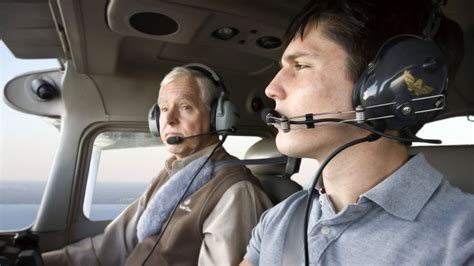
Reaching the Apex: Airline Transport Pilot (ATP) Certificate
To work as a pilot for a commercial airline, individuals must acquire the ATP certificate, the FAA’s highest level of pilot certification. This is a legal requirement for all captains and first officers of scheduled air carriers.
Key ATP prerequisites include:
-
A commercial pilot license
-
Minimum 1,500 hours of flight time
-
Cross-country, night flying, and instrument hours
-
Age of 23 or older
-
Completion of the FAA ATP written exam and check ride
Because of its stringent demands, many pilots gain experience by working as flight instructors, charter pilots, or even military aviators before applying.
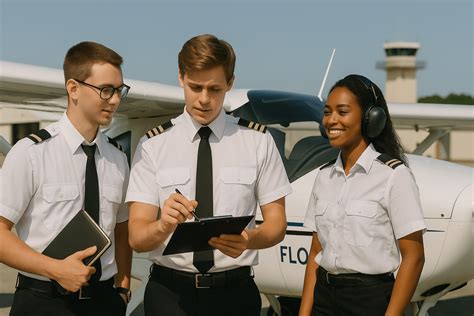
University vs. Flight School: Choosing the Right Path
The decision between pursuing a college degree and enrolling in a flight school often depends on career goals and financial considerations. University programs offer a more holistic education, often including aviation business, meteorology, aerodynamics, and air traffic systems.
On the other hand, dedicated flight schools—many of which are FAA Part 141 approved—provide intensive flight training focused on certification. These can be faster and more affordable but may lack the academic breadth that airlines prefer.
Combining both options—earning a degree while completing flight training—yields the most competitive profile for airline employment.
Experience Matters: Building Flight Time
Major airlines prioritize pilots with thousands of flight hours, often accumulated through:
-
Flight instruction (a common early-career path)
-
Banner towing or aerial surveying
-
Regional airline jobs
-
Military aviation
Many commercial pilots transition to airlines after years of experience, flight certifications, and formal education. Veterans with military flight experience often bypass some civilian requirements, though they must still secure FAA certifications.
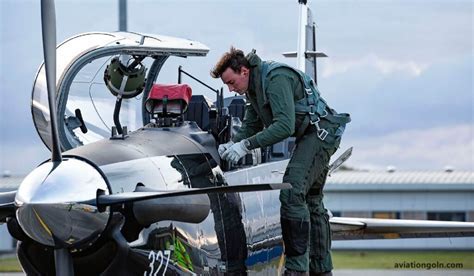
Ongoing Training, Medical Exams, and Proficiency Requirements
Becoming a pilot isn’t a one-time accomplishment. It requires ongoing education, annual proficiency checks, and medical certification. Pilots must maintain current knowledge of airspace regulations, emergency procedures, and aircraft systems.
They are also subject to:
-
Annual or biennial medical exams
-
Recurrent training and simulator checks
-
Type rating renewals for specific aircraft
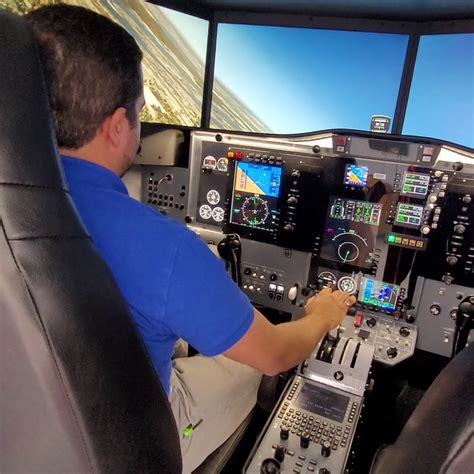
The FAA mandates that pilots perform certain maneuvers and tasks within specific timeframes to remain current. Failure to meet these benchmarks can result in temporary loss of flying privileges.
What Degree Do Pilots Need to Advance Their Career?
While a degree is not a legal FAA requirement, it is often the gateway to advancement in professional aviation. Airlines prefer candidates who exhibit both academic rigor and extensive flight experience. A bachelor’s degree—paired with the necessary certifications—offers pilots a decisive edge in a saturated job market.
Moreover, degrees in aviation science, aerospace engineering, or aviation business prepare future captains for leadership, flight operations, and regulatory compliance, ensuring long-term career viability.
FAQ: Common Questions About Pilot Degrees and Careers
Do you need a specific degree to become a pilot?
No. While most airlines prefer candidates with a bachelor’s degree, it doesn’t have to be in aviation. Degrees in engineering, business, or science are acceptable as long as flight training and FAA certifications are completed.
Can I become a pilot without going to college?
Yes, especially for roles such as commercial pilot, flight instructor, or charter pilot. However, major airlines typically require a degree and significant flight experience, which can be a barrier without formal education.
Is a military pilot background beneficial for civilian aviation?
Absolutely. Military pilots often have a streamlined path to airline positions due to their extensive training, discipline, and flight experience, though they must still earn FAA certifications like the ATP.