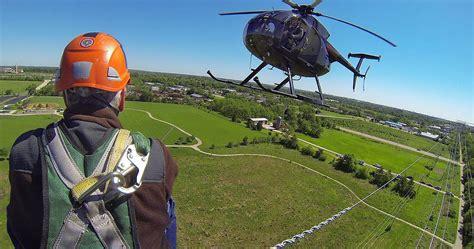
In 2025, the role of a helicopter lineman stands as one of the most challenging and exhilarating professions within the powerline industry. Balancing technical precision with high-altitude operations, these specialists are tasked with maintaining and repairing electrical infrastructure from the skies, often hundreds of feet above the ground. For those aspiring to join this elite cadre of linemen, the path demands rigorous preparation, exceptional skill, and a fearless approach to work environments that few dare to enter.
Understanding the Helicopter Lineman’s Role
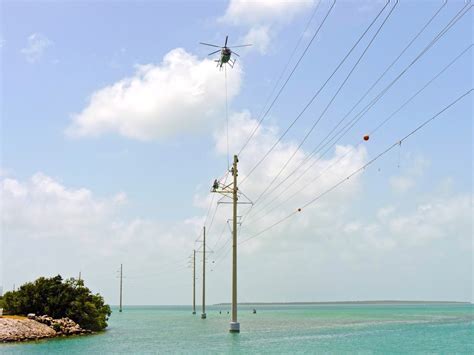
Helicopter linemen operate in a realm where conventional trucks and rigging are insufficient. Their primary responsibility lies in installing, inspecting, and repairing overhead electrical power lines across inaccessible terrain, including mountainous regions and expansive rural landscapes. Unlike ground-based crews, helicopter linemen are deployed directly onto energized lines or structures via aerial platforms or skids. This enables them to perform critical maintenance without requiring costly power outages, keeping electrical grids functional and reliable.
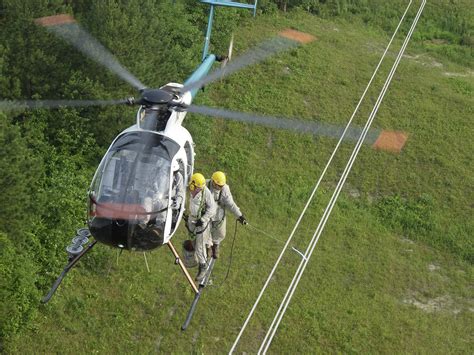
Their work encompasses various high-stakes techniques such as helicopter platform operations, skid-based transfers, wire-walking, and short-haul procedures. Whether replacing insulators, clipping conductors, or conducting live-line maintenance, helicopter linemen achieve unparalleled productivity and efficiency, dramatically reducing the time and logistical challenges associated with remote operations.
The journey to becoming a helicopter lineman begins with a solid foundation in traditional line work. Most helicopter linemen are experienced journeyman linemen, having completed a formal apprenticeship program and accumulated extensive on-the-job training (OJT). Typically, this involves 4 years and at least 8,000 hours of hands-on experience constructing, maintaining, and repairing electrical systems.
Apprenticeships remain the most direct route, and programs such as the National Public Power Pre-Apprenticeship offer a structured entry point into the trade. During apprenticeship, candidates master fundamental skills on the ground—climbing poles, setting cross arms, handling high-voltage equipment—before progressing to the specialized aerial techniques required in helicopter operations.
For those aspiring to ascend into helicopter crews, patience and perseverance are vital. Only after demonstrating proficiency in extra high voltage (EHV) line work, safety protocols, and emergency procedures will candidates be considered for aerial assignments. Even then, many start as ground hands or support personnel, assisting with logbooks, inspections, and staging before advancing to active helicopter operations.
Essential Qualifications and Skills
To qualify as a helicopter lineman in 2025, candidates must meet a combination of technical, physical, and regulatory requirements. Beyond completing an apprenticeship, prospective aerial linemen typically need:
- A valid Commercial Driver’s License (CDL), often with tanker and HAZMAT endorsements.
- Certifications in high-voltage safety procedures and live-line maintenance techniques.
- Strong physical fitness to endure demanding conditions, from extreme temperatures to high altitudes.
- Comfort working at significant heights and transferring between helicopters and structures.
- Proficiency with specialized tools such as rubber gloves, mechanical jumpers, fiber guards, and line hoses.
Helicopter linemen must also possess exceptional focus, teamwork, and adaptability. Given the inherently hazardous environment, they adhere to rigorous safety standards while performing intricate tasks under tight operational windows.
Top Companies Hiring Helicopter Linemen
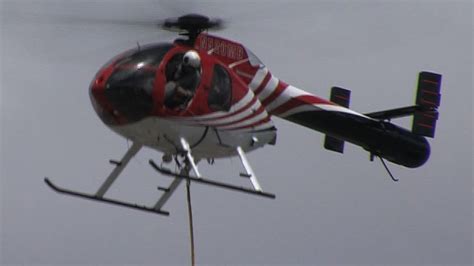
A handful of specialized firms dominate the helicopter lineman market in the United States. Notable employers include AIR2, PLH, Summit Powerline Services, Haverfield Aviation, and Quanta Services. These companies operate fleets of MD500 helicopters, prized for their agility and durability in utility operations. Many projects involve partnerships where helicopter providers contract their services to electric utility companies on a per-job basis.
Working within these companies offers exposure to large-scale transmission projects, often covering thousands of miles of infrastructure across states. Helicopter crews typically operate as three-man teams, coordinating from landing zones to transmission structures with precision. Their ability to string wire, replace components, and inspect lines rapidly transforms what would otherwise be weeks of ground-based work into streamlined aerial operations.
A Day in the Life of a Helicopter Lineman
Each workday for a helicopter lineman begins with meticulous planning. Safety briefings, flight checks, and tool preparation precede any lift-off. Once airborne, linemen are secured to platforms or skids, ready to transfer onto live or de-energized lines suspended in midair. The tasks may include cross arm replacements, conductor cut-ins, insulator swaps, and clipping/unclipping conductors, often performed hundreds of feet above the terrain.
The role demands an agile balance of physical endurance and precise motor skills. Transferring from a helicopter to a structure via platform requires seamless coordination between the pilot and lineman. Missteps can be catastrophic, underscoring the vital importance of trust and communication within the crew.
Helicopter linemen frequently operate under rotating schedules, with extended periods away from home. Flexibility for continuous travel-based rotations is a core expectation, as projects span remote and diverse geographic regions.
Salary Expectations for Helicopter Linemen in 2025
In 2025, helicopter linemen command some of the highest salaries in the powerline industry. Experienced journeyman linemen engaged in aerial work routinely earn over $100,000 annually, with top earners surpassing $120,000 depending on region, union affiliation, hazard pay, and overtime opportunities.
At a baseline, helicopter linemen at companies like AIR2 report hourly wages around $32 per hour, translating to an average salary near $66,000, though real-world earnings climb substantially higher due to overtime and premium pay for high-risk assignments. This earning potential reflects both the specialized skill set and the inherent danger involved in aerial high-voltage work.
The compensation also factors in comprehensive benefits packages, including health insurance, retirement plans, and travel stipends, making helicopter lineman positions among the most sought-after within the trade.
Is Becoming a Helicopter Lineman Right for You?
Pursuing a career as a helicopter lineman requires more than technical proficiency—it demands a mindset attuned to adventure, precision, and resilience. While the rewards are significant, so are the risks. The role suits individuals who thrive under pressure, embrace continuous learning, and respect the life-or-death importance of safety protocols.
Those who excel in this profession are driven by a blend of technical mastery and a passion for the outdoors, relishing the unique perspective that few other jobs can offer. From sunrise flights over mountain ranges to sunset landings in isolated plains, the helicopter lineman’s journey is both challenging and extraordinary.
For aspiring linemen in 2025, the path forward is clear: build a solid apprenticeship foundation, earn credentials, gain experience in high-voltage systems, and position yourself for one of the most dynamic and rewarding careers in the powerline industry.
In a world increasingly reliant on resilient energy infrastructure, helicopter linemen stand at the forefront—maintaining the lifelines of modern civilization, one daring mission at a time.