We examine the enduring charm and operational strength of Everts Air Cargo’s fleet, a collection of aircraft that blends vintage engineering with modern logistical needs. In a state where weather, geography, and distance test every supply chain, these classic machines continue proving that reliability is not always defined by age. Alaska’s demanding environment has long shaped the region’s aviation story, and Everts Air Cargo stands as one of its most distinctive narrators.
The carrier’s roots reach back to its early days as Air Cargo Express before adopting the Everts Air Cargo name in 2002. Its home base at Fairbanks International Airport provides the operational backbone for routes that knit together remote communities. The airport itself is a small but globally unique hub, hosting seasonal international passenger traffic even as cargo remains its heartbeat. Everts Air Cargo additionally maintains a significant footprint in Anchorage, strengthening its statewide presence.
A hallmark of the airline’s operations lies in its deliberately curated fleet of classic aircraft. These machines—some older than most of the communities they serve—embody a philosophy built on durability, field-proven reliability, and mastery of Alaska’s extreme flying conditions. This is aviation heritage still alive in daily service.
A Fleet Built on Vintage Propeller Icons
The foundation of Everts Air Cargo’s classic operations begins with the Douglas DC-6, a propeller-driven legend whose capabilities continue to rise above the Alaska wilderness. The airline manages a collection of 12 DC-6 airframes across all variants, half of which remain fully active. Among them is the veteran N251CE, a 1954-built machine that has spent nearly seven decades defying time. These aircraft retain a powerful combination of long-range capability, rugged construction, and excellent payload capacity—traits that align precisely with Alaska’s logistical needs.
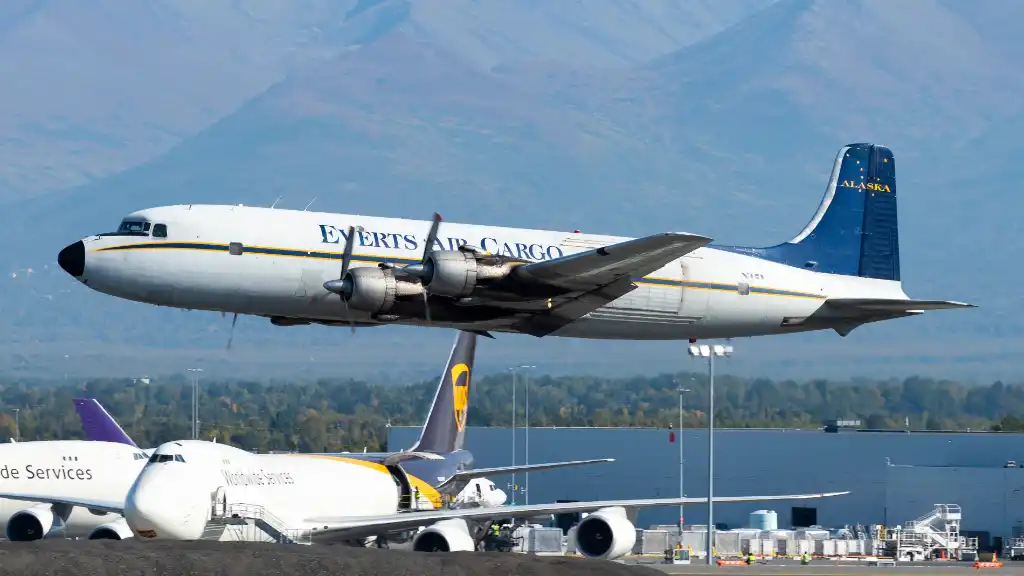
Operating the DC-6 is not merely a matter of nostalgia. Its piston engines and sturdy airframe handle short, rough runways with ease, providing access to remote communities where modern jets simply cannot land. Their ability to carry everything from household supplies to essential fuel in extreme temperatures makes them indispensable.
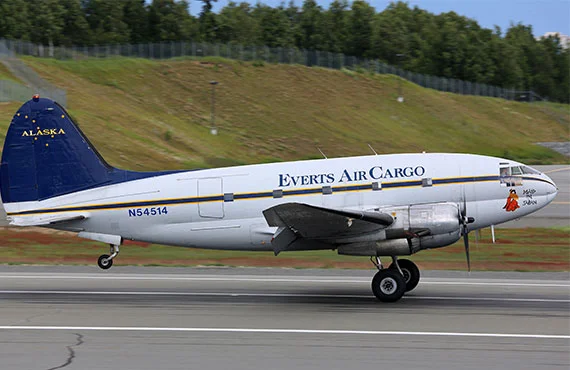
Complementing the DC-6 is another propeller-era classic: the Curtiss C-46 Commando. Once a vital military transport for both U.S. and Japanese forces, the C-46 stands today as one of the rarest airframes still operating commercially. Everts Air Cargo has historically managed four of these twin-engine taildraggers, with a single aircraft—N54514—remaining in service. Built in 1945, this aircraft continues flying into its eighth decade, a testament to both its original design and the airline’s meticulous maintenance.
Classic Jets That Extend the Network
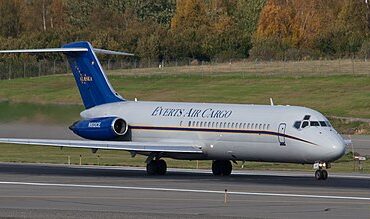
The diversity of Everts Air Cargo’s fleet extends to classic rear-engined jets, beginning with the McDonnell Douglas DC-9. The airline currently operates four DC-9s with an average age of more than half a century. Despite their age, these jets remain exceptionally capable for short- and medium-haul missions, offering dependable performance and straightforward maintenance supported by decades of familiarity.

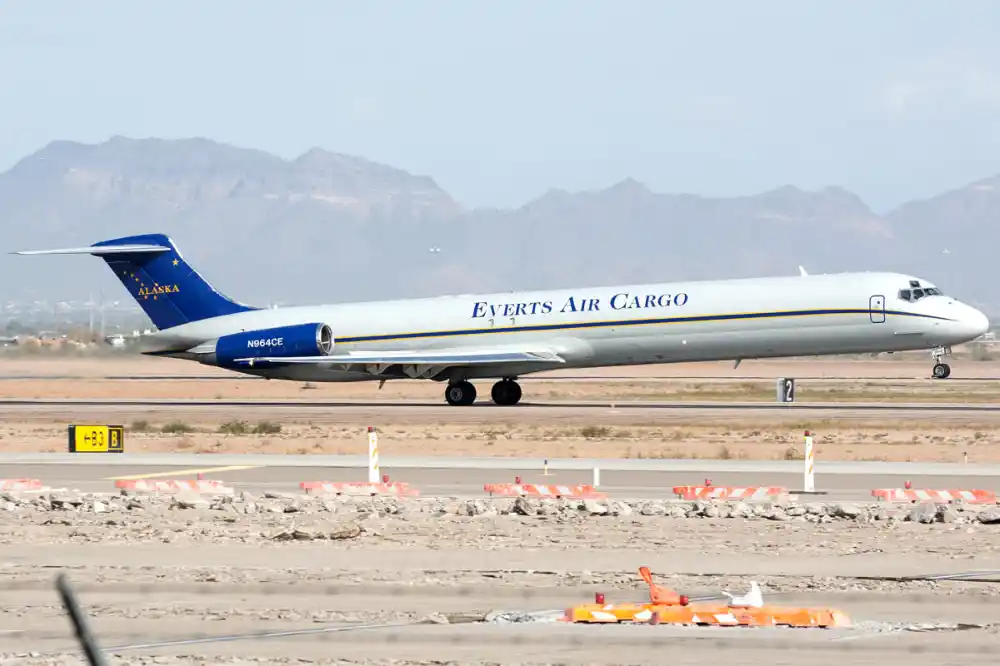
The next generation of rear-engined classics—MD-82 and MD-83 aircraft—round out the fleet’s jet segment. Developed from the DC-9 lineage, the MD-80 series introduced greater range, improved efficiency, and updated avionics. Everts Air Cargo operates seven of these aircraft, with five active in daily service. Though younger by comparison, averaging just under 30 years old, they still represent an era of commercial aviation that valued simplicity, mechanical durability, and cockpit ergonomics suited for demanding weather operations.
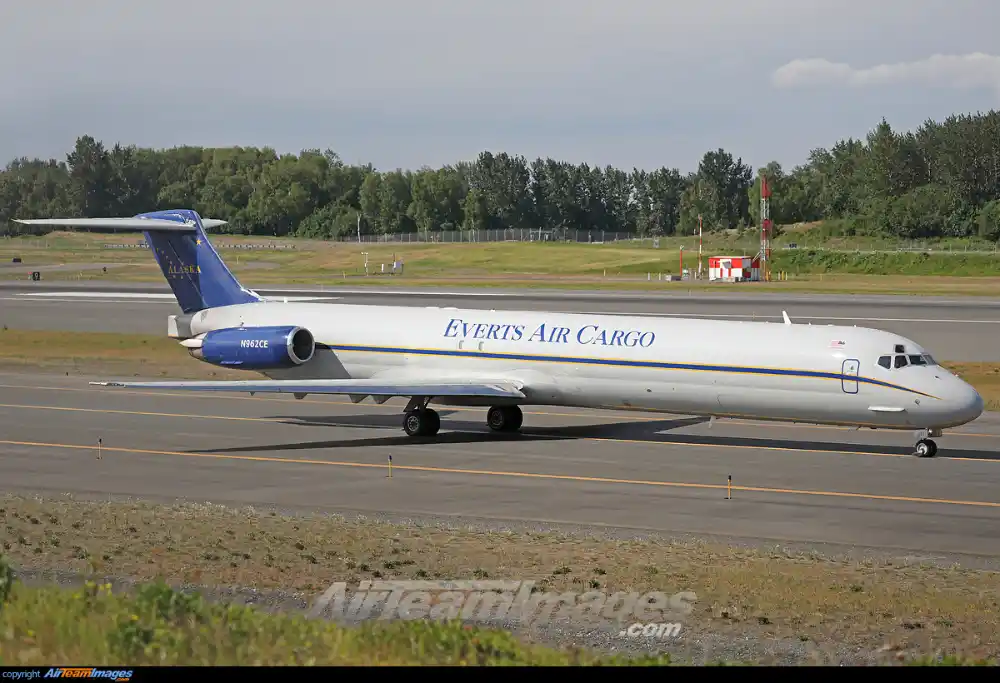
Together, these jet types balance speed with practicality. They carry time-sensitive cargo efficiently between larger hubs while the propeller fleet handles remote and unimproved destinations. This layered approach gives Everts Air Cargo flexibility unmatched by carriers operating only modern fleets.
Why Classic Aircraft Continue Thriving in Alaska
Alaska presents a rare environment where classic aircraft remain not just viable but ideal. Much of the state lacks runway infrastructure that modern aircraft require, and extreme cold places enormous stress on contemporary materials and systems. By contrast, aircraft from the piston and early jet eras were engineered with thick-gauge metal, simpler mechanical systems, and performance characteristics tailored to rugged conditions.
These machines also offer logistical advantages. Their maintenance ecosystems rely on experienced technicians, many of whom have built entire careers around these airframes. Parts supplies—often from carefully preserved inventories—remain adequate, and the airframes themselves were built with long-term service in mind.
Everts Air Cargo has embraced this operational niche. Its slogan, “Legendary aircraft. Extraordinary service,” is more than branding. It is a working philosophy grounded in Alaska’s realities. Each day, its DC-6s, C-46, DC-9s, and MD-80s perform one or two missions across vast, often unforgiving territory, linking the communities that rely on them.
Everts Air Cargo’s classic fleet represents a living chapter of aviation history, proving that well-built machines—supported by skilled hands—can continue delivering vital service long after their contemporaries have retired. Their role in Alaska’s supply network ensures that these aircraft will remain airborne, not as museum pieces, but as essential lifelines across the Last Frontier.