Thailand’s economy has encountered a notable slowdown in May 2025, largely attributed to weaker performance in two of its critical sectors: tourism and manufacturing. According to a report released by the Bank of Thailand (BOT), this decline comes despite a sharp increase in exports, indicating a complex economic landscape that warrants careful analysis.
The Struggles of the Tourism Sector
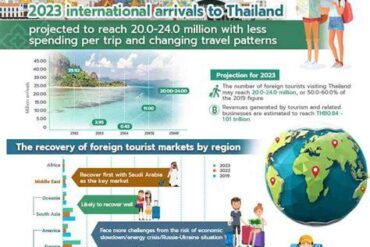
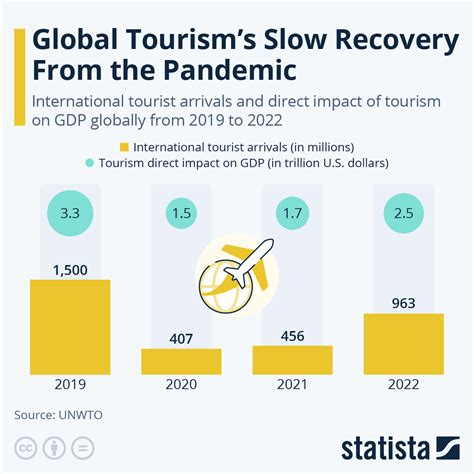
One of the most pressing issues affecting Thailand’s economy in May was the disappointing performance of the tourism industry. The number of foreign visitors, particularly from long-haul destinations, witnessed a significant drop, which has raised alarms among stakeholders reliant on tourism revenue. This downturn is particularly concerning as tourism has been a foundational pillar of Thailand’s economic growth in recent years. The BOT reported that while regional tourism remained relatively stable, international travelers—especially from Western countries—exhibited reduced inclination to visit during this month. Several factors contribute to this decline:
- Lingering Global Travel Uncertainties: Ongoing concerns regarding global travel restrictions and health advisories have made potential tourists hesitant.
- Increased Competition: Other destinations have ramped up their marketing efforts, vying for the attention of travelers who may have once favored Thailand.
The ramifications of this decline extend beyond just visitor numbers. The revenue generated from tourism has also taken a hit, further exacerbating the economic challenges that Thailand is currently facing. The country had been banking on a rebound in tourism post-COVID-19, making this downturn particularly disheartening. With fewer visitors, other sectors closely tied to tourism, such as retail and hospitality, have also felt the strain, leading to a ripple effect across the economy.
Manufacturing Sector Confronts Decline
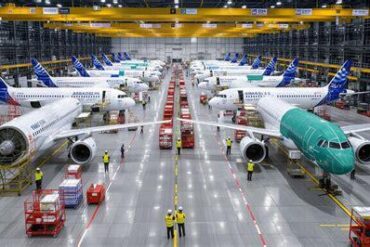
Parallel to the challenges faced by the tourism sector, Thailand’s manufacturing production also showed signs of weakness in May. The BOT highlighted a noticeable drop in production levels compared to April, attributing this decline to a confluence of factors. One major reason was a prior inventory replenishment that occurred in earlier months, which resulted in manufacturers not needing to ramp up production as significantly in May. Additionally, a temporary shutdown of an oil refinery for scheduled maintenance contributed to the reduced output.
Manufacturing has long been regarded as one of the cornerstones of Thailand’s economy, and a slowdown in this sector typically has broader implications, especially regarding job creation and overall industrial activity. The BOT’s report indicated that while the decline in May was temporary, it raised concerns about the sector’s stability amidst global economic pressures, including rising energy costs and ongoing supply chain disruptions.
A Silver Lining: Exports Surge
Despite the headwinds faced by tourism and manufacturing, there was a notable positive development in the form of a sharp increase in exports. Exports have historically been a vital driver of Thailand’s economy, and this surge—particularly in the electronics sector—helped to offset some of the negative impacts from other sectors. The BOT attributed this increase to several key factors:
- Stronger Global Demand: There has been a marked uptick in demand for Thai goods, especially in electronics, which has boosted export figures.
- Tariff Grace Period: The acceleration of shipments during a tariff grace period allowed exporters to capitalize on advantageous conditions before new tariffs took effect.
While the export sector provided a much-needed lifeline for the economy, the BOT cautioned that Thailand must continue to diversify its export base and enhance its competitiveness to ensure sustainable growth moving forward.
Trends in Private Investment and Consumption
In May, private investment saw a modest decline of 0.6% from the previous month, signaling caution among investors amid economic uncertainties. Conversely, private consumption exhibited a slight increase of 0.2%, primarily driven by robust demand for durable goods. This growth indicates that, despite the prevailing economic challenges, consumers remain willing to spend, particularly on sectors like automobiles and home appliances. This uptick in consumption offers a glimmer of hope that Thailand’s economy may avert a more severe slowdown, even as critical sectors face setbacks.
Current Account Deficit: A Cause for Concern
Adding to the complexity of Thailand’s economic situation, the current account registered a deficit of $0.3 billion in May. This deficit highlights that the country imported more goods and services than it exported during the month, potentially placing additional strain on the economy if this trend persists. A current account deficit can lead to vulnerabilities in economic stability and underscores the importance of balancing imports and exports.
Looking Ahead: Navigating Economic Challenges
The report from the BOT paints a mixed economic picture for Thailand, with weaknesses in tourism and manufacturing overshadowing some gains from exports. As the export sector remains a bright spot, it is clear that the country faces multiple challenges in the short term. Key issues to address include uncertainties surrounding global travel trends and the impacts of manufacturing slowdowns, both of which necessitate focused attention for sustained growth.
In the coming months, it will be crucial for the Thai government and businesses to prioritize diversifying sources of economic growth. Sectors such as technology, innovation, and infrastructure should receive increased focus to bolster resilience against future shocks. Additionally, enhancing the tourism sector’s resilience through targeted marketing strategies and investments could mitigate the adverse effects of global travel disruptions.
As Thailand moves through the rest of the year, policymakers must remain agile and responsive to the shifting global economic landscape. Despite the setbacks experienced in May, there is a sense of resilience within Thailand’s economy. With the right policies and strategic initiatives in place, the country can overcome these challenges and continue on a path of steady growth in the years to come.