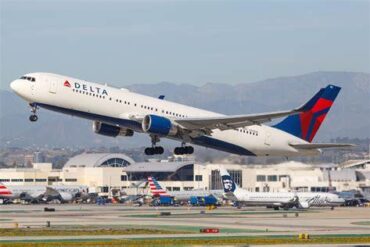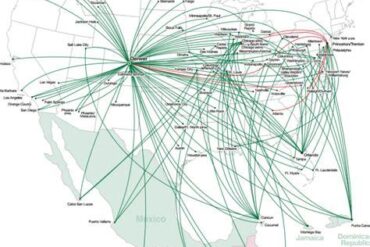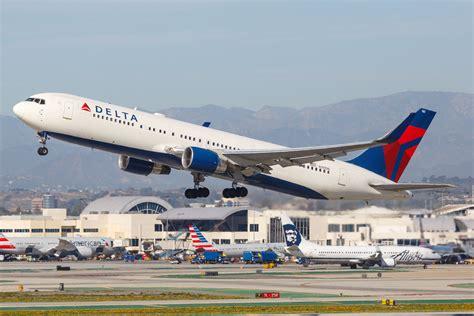
Delta Air Lines is doubling down on its ambitions at Los Angeles International Airport (LAX), reinforcing its position as the airport’s leading carrier through a calculated expansion into one of America’s most lucrative winter travel corridors: Florida. This latest move is not simply about adding flights—it is a carefully engineered strategy designed to deepen market control, outmaneuver competitors, and solidify Los Angeles as a premier global gateway within Delta’s network.
Florida Expansion Signals Strategic Intent, Not Seasonal Opportunism
Delta’s newest announcement underscores a deliberate push into high-demand leisure markets, where winter traffic surges as travelers seek warmer destinations. By introducing a brand-new nonstop route to Palm Beach International Airport (PBI) and significantly increasing frequencies to Orlando International Airport (MCO) and Tampa International Airport (TPA), the airline is making a bold capacity statement.
Rather than testing the waters with limited seasonal service, Delta is committing substantial resources. The Palm Beach route launches on November 20, 2026, complemented by Orlando rising to five daily flights and Tampa reaching a three-times-daily year-round schedule beginning earlier in November. This level of frequency is not accidental—it is designed to capture both leisure travelers and premium passengers seeking flexibility.
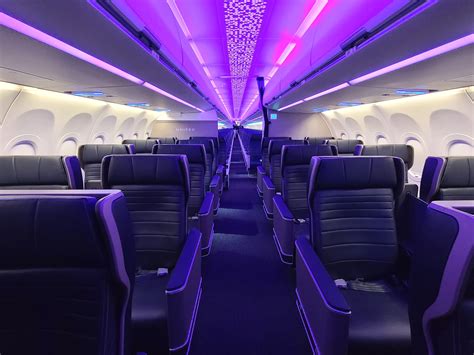
All routes will be operated using the Airbus A321neo, a modern narrowbody aircraft configured for both comfort and efficiency. With 20 First Class seats, 42 Comfort+ seats, and 132 Main Cabin seats, the aircraft reflects Delta’s premium-forward strategy, even on traditionally leisure-heavy routes.
This expansion builds upon Delta’s existing presence in Florida, where it already serves Miami International Airport (MIA) and Fort Lauderdale-Hollywood International Airport (FLL) from Los Angeles. The addition of Palm Beach effectively creates a broader South Florida network, increasing total connectivity and offering travelers more destination-specific options rather than funneling demand through a single airport.
Scaling Capacity to Dominate a Competitive Leisure Market
Florida remains one of the most hotly contested aviation markets in the United States, attracting fierce competition from major carriers including American, United, Southwest, and JetBlue. Against this backdrop, Delta’s decision to scale up to 12 daily departures and over 2,300 peak-day seats from LAX to Florida is a clear signal of intent.
This is not incremental growth—it is market positioning. By offering multiple daily frequencies across several destinations, Delta enhances schedule convenience, a critical factor for both business and high-value leisure travelers. Frequency, more than price alone, often determines airline preference in competitive markets.
While American Airlines still maintains a stronghold on certain routes—particularly Los Angeles to Miami—Delta’s diversified Florida network introduces a compelling alternative. Instead of concentrating capacity on a single high-volume route, Delta spreads its presence across multiple destinations, capturing a broader spectrum of demand.
LAX as the Cornerstone of Delta’s West Coast Strategy
Delta’s Florida expansion cannot be viewed in isolation. It is part of a larger, meticulously planned transformation of its Los Angeles hub into a world-class aviation gateway. Over the past year, the airline has significantly expanded both its domestic and international footprint from LAX, ensuring comprehensive coverage of key markets.
A major domestic milestone arrives with the launch of three daily flights to Chicago O’Hare International Airport (ORD), effectively connecting Los Angeles to all of the top ten U.S. demand cities. This move strengthens Delta’s competitive parity with rivals that have long leveraged dense domestic networks to feed their hubs.
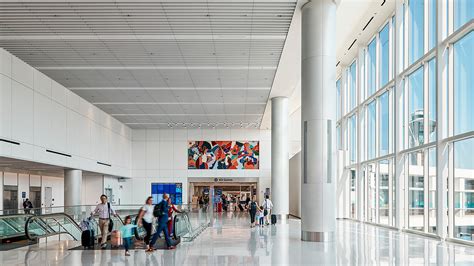
On the international front, Delta is reasserting itself with long-haul routes that carry both prestige and strategic importance. The resumption of service to Shanghai Pudong International Airport (PVG) marks a critical re-entry into one of the world’s most important business travel markets. Meanwhile, the addition of flights to Melbourne Airport (MEL) and the upcoming launch of service to Hong Kong International Airport (HKG) highlight Delta’s commitment to rebuilding a robust transpacific network.
These routes are not merely about connecting cities—they reinforce Delta’s brand as a global carrier capable of linking Los Angeles to major economic and cultural centers worldwide.
Premium Infrastructure Elevates the Competitive Battlefield
Network growth alone does not define success at LAX. Delta has matched its route expansion with significant investments in infrastructure, creating a premium experience designed to attract high-yield customers.
Central to this effort is the Delta Sky Way complex, a 27-gate facility that streamlines connections and enhances passenger flow. Complementing this is the Delta One Lounge, a nearly 200-seat premium space offering an elevated experience for long-haul and business-class travelers.

This focus on premium amenities is a crucial differentiator. In a market like Los Angeles—where travelers have multiple airline choices—experience often carries as much weight as price or schedule. By investing heavily in lounges, terminals, and onboard products, Delta is positioning itself as the airline of choice for discerning passengers.
United Airlines Responds as LAX Becomes a Strategic Battleground
Delta’s aggressive expansion has not gone unnoticed. United Airlines, the second-largest carrier at LAX, is actively pushing back, ensuring that the airport remains one of the most competitive hubs in the country.
Recent data shows Delta leading with approximately 19% market share, followed by United at 16%. Unlike fortress hubs dominated by a single airline, Los Angeles presents a rare scenario where two major network carriers are locked in a closely matched contest.
United’s response includes new domestic routes to cities such as Columbus, Pittsburgh, Kansas City, and Portland, Maine, alongside continued investment in its premium offerings, including the Polaris Lounge and expanded United Club presence.
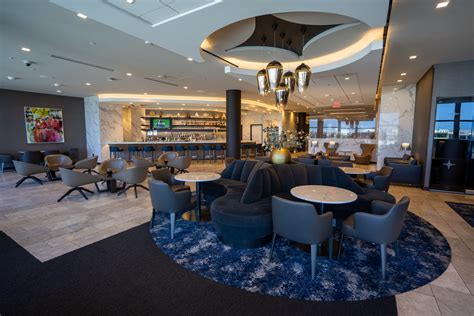
The rivalry extends beyond routes and into branding, customer experience, and long-term strategic positioning. United has made it clear that it intends to challenge Delta’s lead, setting the stage for an ongoing battle that will shape the future of LAX.
Why Delta’s Florida Push Matters Beyond Seasonal Demand
At first glance, expanding flights to Florida might appear to be a straightforward response to winter travel demand. In reality, it represents a deeper strategic play. By strengthening point-to-point connectivity between Los Angeles and multiple Florida destinations, Delta reduces reliance on connecting traffic and increases its appeal to nonstop travelers.
This approach aligns with broader industry trends, where passengers increasingly favor direct flights and are willing to pay a premium for convenience. By offering multiple daily options, Delta not only captures demand but also builds loyalty, particularly among frequent flyers who prioritize flexibility.
Moreover, the expansion enhances Delta’s resilience. A diversified route network spreads risk across multiple markets, reducing vulnerability to fluctuations in any single route or region.
A High-Stakes Competition Driving Better Outcomes for Travelers
The intensifying competition between Delta and United at LAX ultimately benefits passengers. Increased capacity leads to more choices, improved schedules, and enhanced onboard and ground experiences. Airlines are compelled to innovate, invest, and differentiate themselves in order to win customer loyalty.
For travelers, this translates into tangible advantages: more nonstop routes, better premium cabins, and state-of-the-art lounges. The battle for LAX is not just about market share—it is about redefining what a modern airline hub can offer.
Delta’s Calculated Momentum Shows No Signs of Slowing
Delta Air Lines’ latest Florida expansion is a clear continuation of a broader strategy aimed at consolidating its leadership position at Los Angeles International Airport. By combining high-frequency domestic routes, prestigious long-haul services, and premium infrastructure investments, the airline is building a network that is both expansive and resilient.
As competition intensifies and demand continues to evolve, Delta’s ability to execute this multifaceted strategy will determine whether it can maintain—and extend—its lead. What is certain is that Los Angeles has become one of the most dynamic and closely watched battlegrounds in the aviation industry, with Delta firmly at the center of the action.