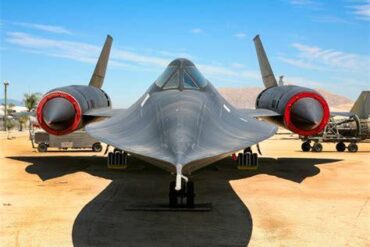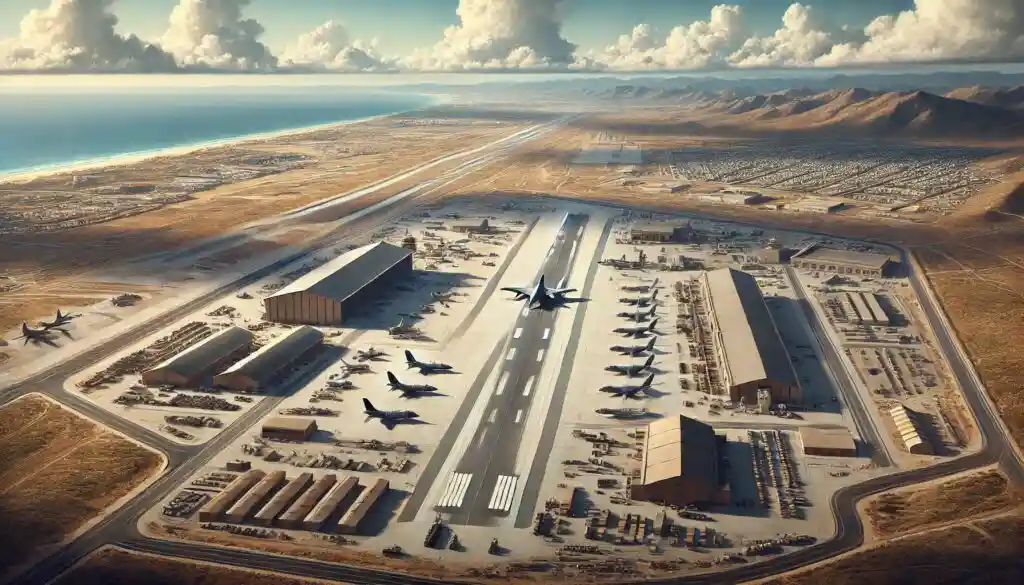
California isn’t just the most populous U.S. state—it’s also the undisputed epicenter of America’s domestic military infrastructure. With 44 active military bases and over 157,000 military personnel, California maintains the highest concentration of armed forces installations anywhere in the country. But this dominance didn’t happen by accident. It’s the result of a century of careful planning, strategic geography, and technological ambition that made the Golden State an indispensable component of national defense.
The Geographic and Strategic Advantages of California
What sets California apart from every other state is a unique blend of coastline access, geographic diversity, climate stability, and strategic proximity. With more than 800 miles of coastline along the Pacific Ocean, California provides the U.S. Navy and Marine Corps with invaluable blue-water access to the Indo-Pacific—the region most frequently identified by defense planners as the next major theater of military competition.
From San Diego’s naval ports to the remote deserts of Twentynine Palms, California offers every conceivable environment the military might need. Wide open deserts are ideal for large-scale ground maneuvers, while expansive airspace supports advanced flight training and weapons testing. California’s mild Mediterranean climate allows operations to run year-round without weather disruptions, a critical factor for live-fire exercises and coordinated joint-force missions.
The Historical Legacy of Military Expansion in the Golden State
California’s military story stretches back more than a century. During World War II, the state became a powerhouse of military logistics, training, and production. The U.S. Navy dramatically expanded its Pacific presence, establishing major bases in San Diego, Long Beach, and Vallejo. Simultaneously, the Army and Marine Corps began building inland training centers to prepare troops for battle in the Pacific Theater.
Following the war, the Cold War further accelerated California’s military role. The proximity to the Soviet threat across the Pacific compelled the Department of Defense to maintain a massive presence in the region. Air Force bases like Edwards Air Force Base became essential hubs for flight testing and aerospace innovation. Naval shipyards stayed busy maintaining America’s growing blue-water fleet. As the Cold War gave way to modern security challenges, the infrastructure built during those decades evolved into the backbone of 21st-century operations.
Branch-by-Branch Impact Across the State
Each branch of the U.S. military uses California’s infrastructure for distinct, but complementary missions:
U.S. Navy and Marine Corps
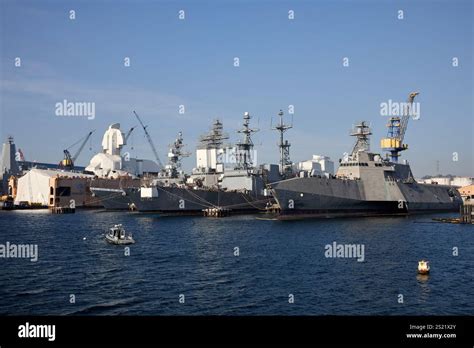
San Diego is the largest naval complex on the West Coast and the second-largest in the country. It houses:
- Naval Base San Diego, home to dozens of warships, amphibious assault vessels, and support ships.
- Naval Air Station North Island, often called the “birthplace of naval aviation.”
- Marine Corps Base Camp Pendleton, which trains more than 38,000 Marines annually.
These installations enable the U.S. Navy to project power across the Pacific, sustain readiness, and conduct maritime surveillance in contested waters.
U.S. Air Force and Space Force
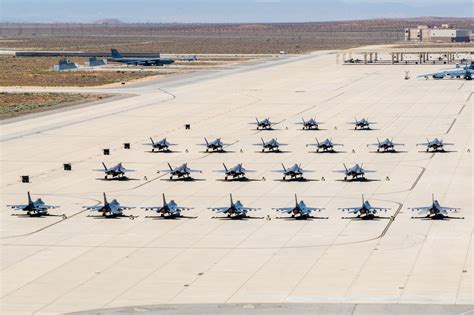
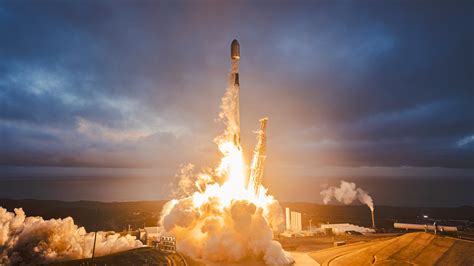
Inland, the Air Force and Space Force dominate. Edwards Air Force Base, northeast of Los Angeles, serves as the premier testing site for every major aircraft in the Department of Defense arsenal. From stealth bombers to hypersonic drones, Edwards plays a pivotal role in aerospace innovation. Meanwhile, Vandenberg Space Force Base on the Central Coast is crucial for satellite launches, missile tests, and orbital defense.
U.S. Army
Though the Army’s footprint in California is smaller, it remains strategically vital. Fort Irwin, located in the Mojave Desert, is home to the National Training Center (NTC). Here, soldiers experience intense simulated combat environments against realistic opposition forces—a final proving ground before global deployments. The arid landscape and isolation make it an ideal training ground that closely mimics conditions in regions like the Middle East.
Joint and Multinational Operations
California’s bases aren’t siloed. Many support joint and inter-agency collaboration, bringing together Navy, Air Force, Army, Marine Corps, Coast Guard, and even intelligence units under unified commands. Installations like Naval Base Ventura County and Camp Roberts are optimized for testing cutting-edge tech, including unmanned systems, cyber defense platforms, and electronic warfare.
California as the Gateway to the Indo-Pacific
California’s importance is magnified by its role as a forward staging ground for operations in the Indo-Pacific region. With tensions rising across the Taiwan Strait and ongoing territorial disputes in the South China Sea, the Pentagon has increasingly pivoted westward. Bases in California are now central to strategies involving deterrence, rapid deployment, and maritime dominance.
Troops and ships based in California can deploy to hotspots in Asia far more quickly than those based elsewhere in the U.S. This proximity, combined with deepwater ports, rapid airlift capabilities, and world-class logistics infrastructure, makes California a natural launchpad for America’s forward military posture.
Economic and Political Factors Cementing the Military Presence
Beyond strategic needs, California’s massive economy and political infrastructure also support its military saturation. Defense spending in the state is immense, with tens of billions flowing into shipbuilding, aviation, cyber, and space contracts every year. This creates a political feedback loop—more bases mean more jobs, which in turn strengthens local and congressional support for continued military investments.
Cities like San Diego, Palmdale, and Lompoc have entire economies built around their neighboring bases. Defense contractors, such as Northrop Grumman, Lockheed Martin, and General Atomics, maintain large operations in California, drawn by skilled labor, research universities, and proximity to test ranges.
Comparison with East Coast Military Hubs
While Virginia and North Carolina are formidable East Coast military states, their strengths are different from California’s. Virginia’s Naval Station Norfolk, the world’s largest naval base, serves the Atlantic fleet and NATO missions. North Carolina’s Fort Liberty (formerly Fort Bragg) houses the Army’s airborne and special operations units. But neither state matches California’s full-spectrum reach across all domains—land, air, sea, space, and cyber.
California’s comprehensive network allows the military to test, train, and deploy forces globally, all without leaving the state’s borders. This integrated infrastructure gives the Pentagon unmatched flexibility, making California not just a hub, but a strategic fulcrum in America’s defense planning.
The Future: Modernization, Technology, and Strategic Flexibility
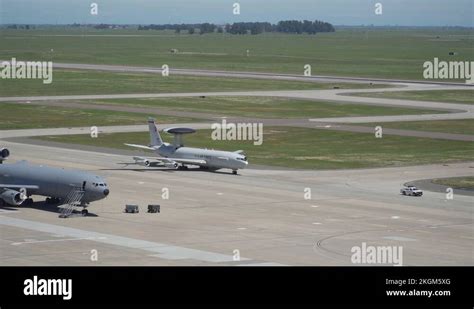
As warfare evolves, California remains on the leading edge. The military is now investing heavily in next-generation technologies at its California installations. Artificial intelligence labs, cyberwarfare units, and drone swarms are being tested and deployed here first. Vandenberg SFB is expanding its role in orbital warfare and space tracking, while Edwards AFB is pioneering autonomous aircraft integration.
The state’s academic institutions—including Stanford, Caltech, and UC Berkeley—regularly collaborate with the Department of Defense, feeding innovation into defense systems at an accelerating pace. California is also pivotal to the Pentagon’s climate resilience strategy; sea-level rise and wildfires are forcing the military to harden bases and invest in sustainability, and California is the front line in that transition.
Conclusion: California’s Indispensable Role in American Defense
California’s dominance in military infrastructure is no accident—it’s a convergence of geography, history, technology, and politics. From the windswept Mojave to the deep waters off San Diego, its military installations form an integrated system capable of rapid action, relentless innovation, and global reach. As the geopolitical focus shifts toward the Indo-Pacific and as future conflicts increasingly depend on cyber, space, and AI technologies, California’s relevance to national security is only set to grow.
Whether training the next generation of Marines, launching satellites into orbit, or maintaining the Navy’s Pacific fleet, California remains America’s forward base for the future of warfare.