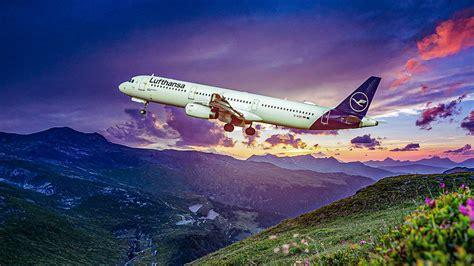
A Lufthansa Airbus A321-200 operating from Frankfurt to Lisbon was forced to divert to Lyon after a passenger’s power bank overheated and caught fire in the cabin, turning what should have been a routine evening flight into an overnight disruption for 198 passengers and six crew members.
Lufthansa flight LH1170 was scheduled to depart Frankfurt Airport at 7:40 PM on September 26, but the aircraft, registration D-AISB, did not leave until 8:57 PM. The 27-year-old Airbus A321-200 had Lisbon as its destination, yet the flight soon developed a serious onboard safety issue involving a lithium-ion battery-powered device.
According to the Aviation Herald and flight-tracking information, the power bank fire occurred while the aircraft was en route. The device overheated in a passenger seat, prompting the crew to secure it in a lithium-safe bag. Although the immediate threat was contained, the cockpit crew decided that continuing toward Portugal was not appropriate. The aircraft diverted to Lyon Saint-Exupéry Airport, landing at approximately 9:55 PM local time.
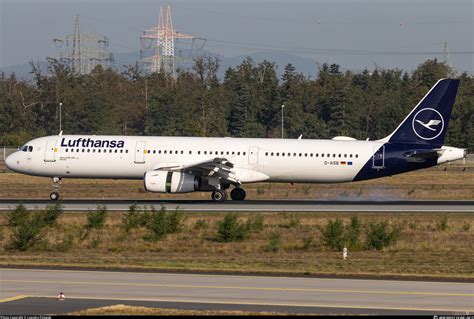
Why the Lufthansa A321 Diverted to Lyon
Lufthansa confirmed that the decision was made as a precaution after the power bank incident. A company spokesperson told RTL that the device had been secured in a lithium-safe bag, while the cockpit crew declared an air emergency so the aircraft could receive priority handling for its landing in Lyon.
Power banks normally use lithium-ion cells, which can release substantial heat if damaged, short-circuited, or otherwise enter a condition known as thermal runaway. Once this process begins, a battery can produce smoke, flames, and intense heat, making rapid containment particularly important in an enclosed aircraft cabin.
The choice of Lyon also mattered operationally because the airport could handle an aircraft arriving under emergency conditions while giving responders an opportunity to assess the situation after landing. In an incident involving a lithium battery, having suitable airport support nearby can be more important than preserving the original flight schedule.
198 Passengers Spent the Night in Lyon
The late arrival made it impractical for Lufthansa to continue the flight to Lisbon that evening. The airline arranged hotel accommodation for all 198 passengers and six crew members, turning an unexpected diversion into an overnight interruption.
Lufthansa rebooked the passengers onto alternative services the following day. Lyon offered several potential nonstop connections to Lisbon, including services operated by TAP Air Portugal and easyJet. Cirium data indicated that two TAP flights and two easyJet flights operated between Lyon and Lisbon that day, although the TAP services were operated with Embraer regional aircraft by Portugalia Airlines.
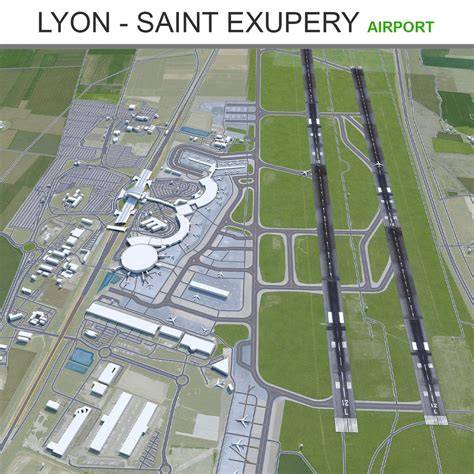
On Sunday, September 27, D-AISB operated as Lufthansa flight LH9923 from Lyon back to Frankfurt, departing at 1:49 PM and arriving at 2:43 PM. The aircraft subsequently returned to regular service, including a Frankfurt-Nuremberg rotation and planned flights involving Nice and Athens.
Lufthansa Has Tightened Power Bank Rules
The incident comes as airlines have placed increasing attention on the risks associated with lithium-ion batteries carried by passengers. Lufthansa introduced stricter power bank requirements earlier in 2026, reflecting the wider aviation industry’s concern over battery fires and overheating incidents.
Under Lufthansa’s rules, power banks must be carried in hand luggage rather than checked baggage. Passengers may carry up to two power banks, with each generally limited to 100 Wh or 2 grams of lithium content. Devices exceeding the applicable limit require airline approval.
The rules also prohibit passengers from charging or using power banks during the flight, except when necessary to support approved medical devices. In addition, power banks cannot be placed in the overhead storage compartments above passenger seats.
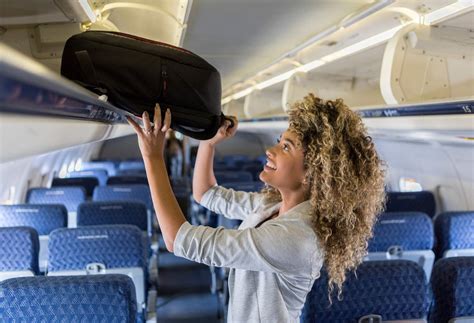
A Small Device With Major Aviation Consequences
The Lufthansa incident shows how quickly a seemingly ordinary passenger item can affect an entire flight operation. A power bank small enough to fit inside a passenger’s bag resulted in an emergency declaration, an international diversion, hotel accommodation for more than 200 people, aircraft repositioning, and extensive passenger rebooking.
The practical focus is therefore on controlling how these batteries are carried, stored, monitored, and used. Power banks are common travel accessories, and lithium-ion technology is deeply integrated into modern consumer electronics.
The Lyon diversion also demonstrates the importance of cabin crew intervention and cockpit decision-making when a battery begins overheating. Even after the device was isolated in a protective bag, Lufthansa chose to land at a suitable airport rather than accept the remaining uncertainty over a potentially hazardous battery.
For passengers, the episode is a reminder that power bank rules are not merely administrative restrictions. Correct storage, compliance with capacity limits, and avoiding unauthorized use during a flight can reduce the risk of a battery incident becoming a much larger aviation emergency.