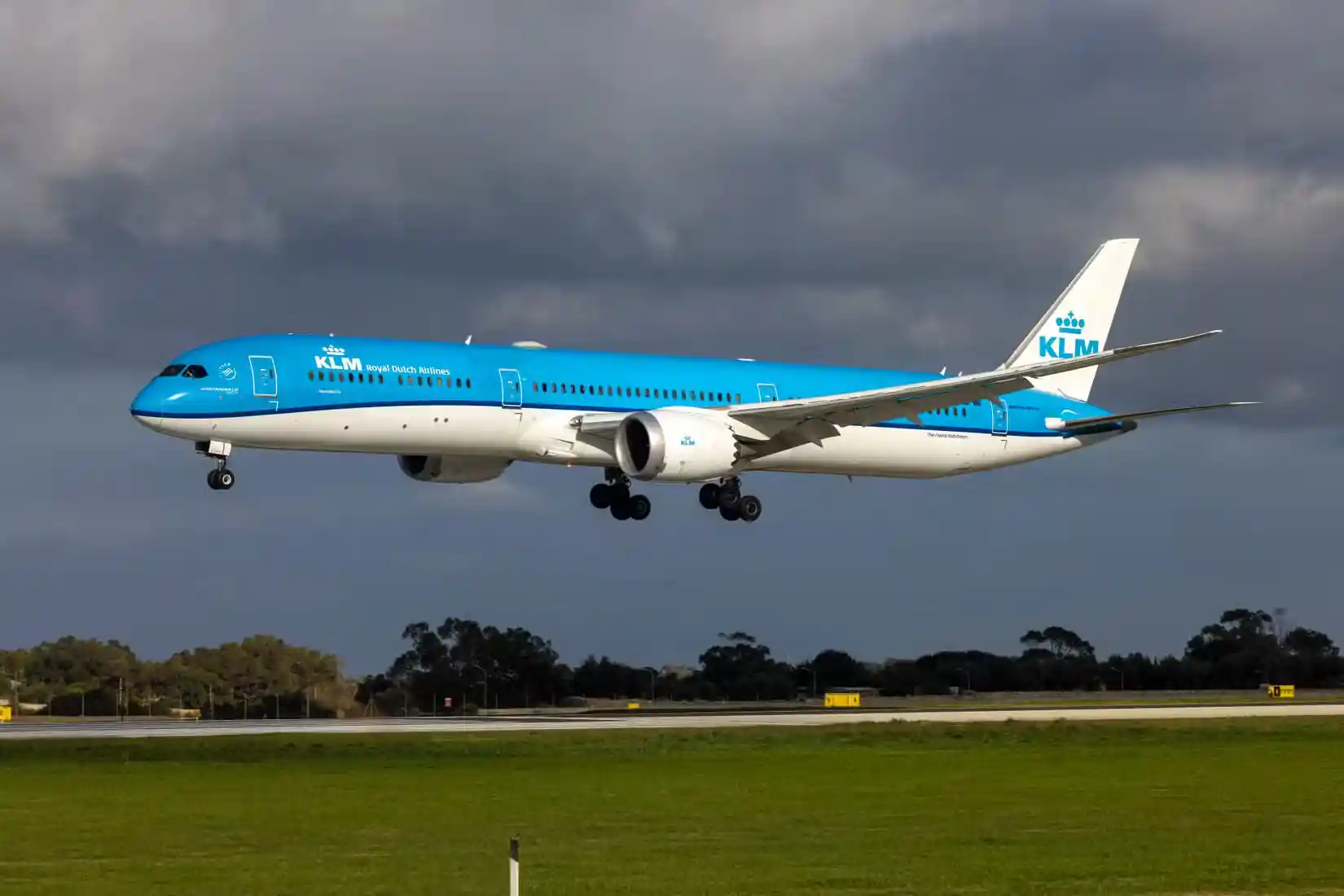
A KLM Boeing 777-300ER operating from Amsterdam Schiphol Airport to Curaçao was forced to turn back to the Netherlands after a passenger’s power bank caught fire in the cabin, creating an unusual and potentially serious inflight emergency. The incident became especially notable because the device reportedly belonged to former KLM President and CEO Camiel Eurlings, who was using it when the battery ignited.
KLM flight KL735 is a daily service connecting Amsterdam with Curaçao International Airport. The scheduled journey has a block time of approximately nine hours and 45 minutes, with a normal departure from Amsterdam at 1:25 PM and an arrival in Curaçao at 5:10 PM local time. On the day of the incident, however, the Boeing 777 left Amsterdam almost two hours behind schedule, departing at approximately 3:21 PM.
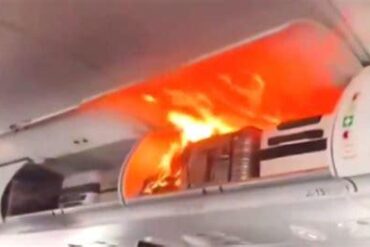
The delay would soon become considerably longer. During the flight, a lithium-ion power bank caught fire, reportedly while being used by Eurlings in the business-class cabin. Images shared on social media appeared to show a blackened aircraft window and surrounding cabin area, while reports indicated that Eurlings sustained minor injuries. With a battery fire presenting a significant safety concern inside a pressurized aircraft, the crew elected to divert the Boeing 777 back to Amsterdam rather than continue across the Atlantic.
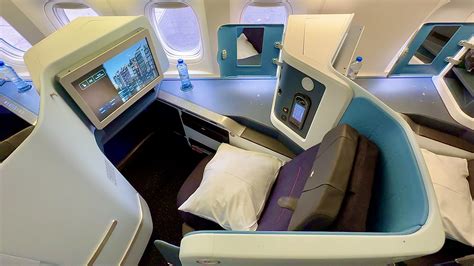
Former KLM CEO Camiel Eurlings Involved in Power Bank Incident
Eurlings served as President and CEO of KLM from July 2013 until October 2014, succeeding Peter Hartman. His previous leadership role made the incident particularly awkward because KLM has specific restrictions governing how passengers may carry and use power banks onboard its aircraft.
According to reports, Eurlings was shocked and embarrassed by what happened. The circumstances also generated frustration among some passengers because the device was reportedly being used in a manner that violated KLM’s onboard rules. One passenger reportedly observed that such a mistake might be understandable for an ordinary traveler unfamiliar with the regulations, but described it as particularly unusual for someone who had previously been responsible for leading the airline.
Despite the apparent rule violation, KLM said it would not impose a fine on the former executive. A spokesperson explained that passengers receive a message at the beginning of the flight informing them that power bank usage is prohibited, but the airline does not issue additional fines for breaking that particular rule.
Why Power Banks Can Become a Serious Aircraft Safety Risk
Power banks use lithium-ion batteries, which can experience a phenomenon known as thermal runaway. If a battery is damaged, defective, overheated, short-circuited, or otherwise compromised, its temperature can rise rapidly and trigger a chain reaction inside the cells. This can produce intense heat, smoke, flames, and potentially damage nearby materials.
A battery fire is particularly challenging aboard a commercial aircraft because the crew must control the event inside a confined environment while continuing to protect hundreds of passengers. Even when a fire appears small, the possibility of a battery reigniting makes lithium-ion incidents different from many conventional cabin fires.
KLM’s published rules allow passengers to bring up to two power banks in hand luggage, although restrictions can apply when the battery capacity is not clearly indicated. Crucially, the airline states that power banks must not be placed in overhead bins, and passengers are not permitted to use or charge them during the flight.
The rules reflect a broader aviation concern. Airlines and regulators around the world have tightened requirements surrounding spare lithium batteries and power banks after an increasing number of incidents involving overheating, smoke, and fire. Keeping these devices accessible rather than buried in checked baggage also allows cabin crew to identify and respond to a problem quickly.
KLM Boeing 777 Returns to Amsterdam
The aircraft involved was PH-BVP, a roughly ten-year-old Boeing 777-300ER used by KLM on long-haul routes. After returning safely to Amsterdam, the aircraft remained on the ground while KLM dealt with the consequences of the diversion.
The disruption affected 322 passengers, who had to be accommodated in hotels after the unexpected return. Instead of simply delaying the original aircraft and continuing later, KLM arranged a replacement aircraft to operate the Curaçao service the following day.
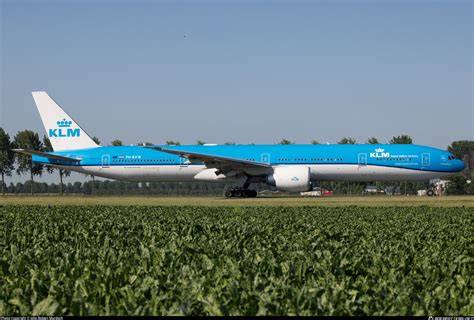
Replacement Boeing 787-10 Operates Curaçao Flight
KLM subsequently assigned a Boeing 787-10 Dreamliner, registration PH-BKG, to the replacement service. The six-year-old aircraft departed Amsterdam at approximately 10:35 AM and was expected to arrive in Curaçao at around 1:25 PM. It was then scheduled to return to Amsterdam on the corresponding KL326 service at 6:55 PM.
The substitution illustrates how a seemingly isolated cabin incident can create a substantial operational chain reaction. A diversion does not simply add several hours to one flight. The aircraft may require inspection, passengers need accommodation, crews can reach duty-time limits, and the airline must find another aircraft capable of operating the disrupted route.
For passengers already facing a long-haul journey, the consequences can therefore extend well beyond the original emergency. In this case, a power bank fire on a Boeing 777 transformed a routine Amsterdam-Curaçao service into an overnight disruption, while also highlighting why airlines increasingly treat lithium-battery safety as a serious operational issue.
The incident is an unusual reminder that aviation safety rules apply regardless of a passenger’s background or connection to an airline. A small consumer device can create a major inflight emergency when its battery enters thermal runaway. For KLM, the diversion of KL735 demonstrates the practical consequences of those risks—and the importance of following cabin restrictions designed specifically to prevent them.