Hawaii is currently facing a critical situation as Maui, Big Island, Molokai, and Honolulu confront heightened wildfire risks. This alarming development has emerged due to the arrival of new tropical storms that are fueling strong winds and exacerbating existing drought conditions across the islands. As these trade winds intensify, they significantly increase the likelihood of wildfires, raising concerns for both local communities and tourists. The combination of high winds and dry vegetation creates a perilous environment for fires to spread rapidly, which poses serious dangers in the coming days.
The drought conditions that have plagued Hawaii are now further intensified by the impending tropical storms, making this an urgent time for residents and travelers alike. With local fire departments on high alert, the potential for severe travel disruptions looms large, casting uncertainty over the tourism industry already strained by previous crises. Authorities urge individuals to exercise caution and prepare for potential evacuations or itinerary changes.
As meteorologists monitor a potential tropical system brewing in the central Pacific, the forecast indicates that powerful trade winds will soon sweep through the region. These winds are predicted to exacerbate the already precarious wildfire risks, as they are expected to generate gusty conditions that could begin as early as Tuesday and persist throughout the week. AccuWeather®’s Lead Hurricane Expert, Alex DaSilva, highlights the dangerous combination of ongoing drought and intensified winds, which could affect over half of the Hawaiian Islands currently experiencing moderate or worse drought conditions.
The Big Island, along with Maui and Molokai, reports severe drought, with some areas suffering from extreme drought. In these regions, dry grasses and vegetation are abundant, creating an ideal tinderbox scenario for wildfires. As these conditions evolve, the potential for wildfires to disrupt local life and tourist activities escalates dramatically.
The unique terrain of Hawaii compounds the wildfire risk. Strong winds blowing down from the mountainous regions of the islands accelerate and heat the air, creating a drying effect that further increases fire hazards. This phenomenon is especially pronounced on the western and southern sides of mountains, where communities face an elevated threat. Fire departments and tourism officials are closely monitoring these developments, as the combination of dry vegetation and strong winds creates a volatile situation.
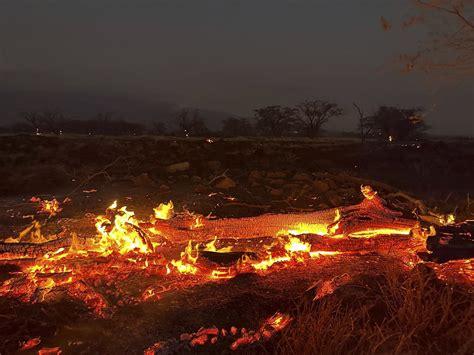
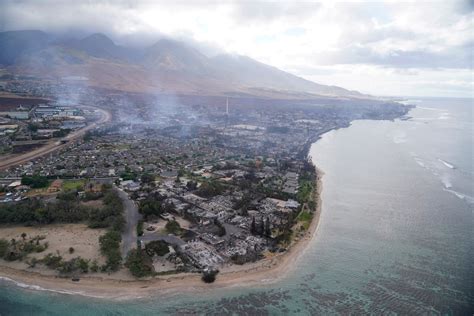
The 2023 Maui wildfires serve as a stark reminder of the devastating impact wildfires can have on the islands. Those fires were fueled by a mix of gusty winds, atmospheric pressure differences, and an abundance of dry vegetation, resulting in catastrophic losses. As Hawaii grapples with the ongoing recovery from those events, experts are warning that the current conditions could lead to another surge in wildfire activity, complicating recovery efforts even further.
The economic ramifications of the 2023 wildfires are staggering, with estimates suggesting damages between $14 billion and $16 billion. For Hawaii’s tourism sector, this new threat is particularly concerning. The wildfires not only devastated homes and businesses but also led to widespread disruptions at airports and hotels, leaving the tourism industry reeling from the aftermath.
For travelers, the implications of the heightened wildfire risk are significant. Many visitors to Hawaii seek to enjoy the islands’ warm shores and breathtaking natural beauty, but the threat of wildfires could result in canceled or delayed flights, hotel evacuations, and restricted access to popular attractions. If the winds continue as projected, smoke from wildfires may also deteriorate air quality, deterring potential tourists from visiting the islands.
Travelers are strongly advised to keep a close eye on local weather forecasts and heed official warnings issued by local authorities. An increased likelihood of disruption to island activities—ranging from hiking and beach excursions to cultural tours—may prompt some visitors to reconsider their plans or delay their trips. Ensuring the safety of both locals and visitors is paramount during this precarious period.
In addition to the tropical system currently affecting the region, AccuWeather® experts are monitoring the possibility of another tropical feature developing late next week or into the weekend. While this second system presents a medium risk for tropical development, it could further exacerbate the fire danger and complicate travel and recovery efforts. Given that thousands of tourists are expected to travel to the islands next week, the implications of these additional complications could severely impact the visitor experience.
As hurricane season progresses and tropical systems develop, the risks to Hawaii’s tourism sector become more pronounced. The islands are no strangers to natural disasters, including volcanic eruptions, hurricanes, and wildfires. However, the combination of wind, drought, and wildfire potential positions this summer as particularly precarious for travelers planning to visit Hawaii. Staying informed about travel advisories or warnings issued by local authorities is crucial for anyone contemplating a trip to the islands.
For those already in Hawaii, being prepared for potential changes to itineraries is essential. With many areas facing high fire risks, evacuation orders or alterations to flight schedules may be implemented with little notice. As Hawaii’s tourism sector continues to navigate the challenges posed by natural disasters, the need for vigilance and preparedness remains critical.
In conclusion, Hawaii’s struggle to recover and rebuild in the face of emerging threats underscores the importance of safety for both residents and visitors. The recent trade winds and wildfire warnings serve as a reminder that while the islands are renowned for their beauty, the growing threats from natural disasters demand attention and preparation. For travelers, being aware of current risks and maintaining flexibility in travel arrangements is vital. The charm of Hawaii remains unparalleled, but prioritizing safety must always come first as the islands work to recover from past disasters and brace for the potential challenges ahead.