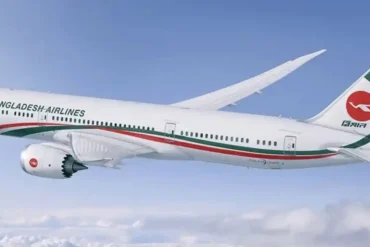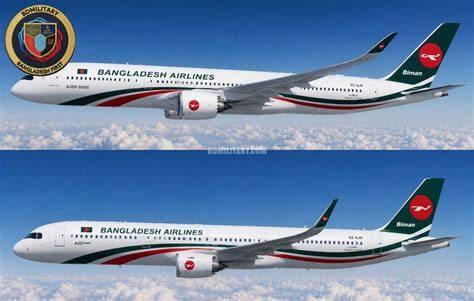
Biman Bangladesh Airlines is poised to make a striking shift in its fleet strategy, with the Bangladeshi flag carrier expected to sign an agreement with Airbus on October 7 for 10 new aircraft. The proposed package comprises four A350-900 widebody jets and six A321neo narrowbody aircraft, according to Bangladeshi officials and multiple reports. The move is particularly notable because Biman has just expanded its Boeing commitments to 25 aircraft this year, creating an unusual situation in which a carrier heavily associated with Boeing is preparing to build a much more balanced future fleet.
The planned Airbus agreement would also revive a long-delayed ambition. Biman had previously expressed interest in the A350 during French President Emmanuel Macron’s 2023 state visit to Bangladesh, when its board approved plans involving up to 10 aircraft. However, no firm purchase followed at the time. Now, after months of negotiations and a revised aircraft mix, the carrier appears to be approaching the point where the A350 will finally become part of its long-term fleet plan. The proposed signing is scheduled for Wednesday in Dhaka, with Airbus and Biman executives expected to attend alongside Bangladeshi government officials.
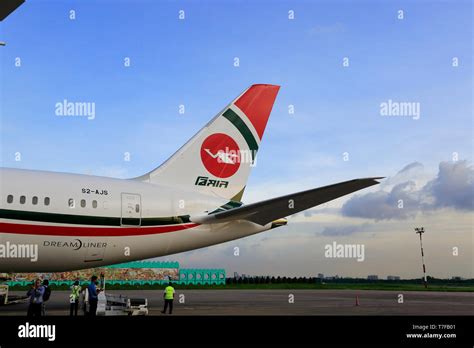
Biman Bangladesh Airbus Order Would Include Four A350-900s
The four Airbus A350-900s are intended to strengthen Biman’s long-haul network, giving the airline a modern widebody alternative as it prepares for international expansion during the 2030s. The aircraft are reportedly being considered for routes connecting Bangladesh with markets in the Middle East, Europe and North America, where greater capacity and improved fuel efficiency could support the carrier’s ambitions. Deliveries are not expected immediately, however, with the first Airbus aircraft potentially arriving in 2033 and subsequent deliveries continuing through 2036 or 2037.
That timeline is important because Biman is simultaneously building a substantial Boeing fleet. Its April agreement covered eight 787-10s, two 787-9s and four 737-8s, while a second agreement announced in September added five more 787-10s and six 737-8s. Together, those agreements give Biman 25 Boeing aircraft on order, consisting of 15 widebodies and 10 narrowbodies. The proposed Airbus package would therefore push the airline’s total future aircraft pipeline to 35 jets.
A321neo Gives Biman A New Regional Growth Tool
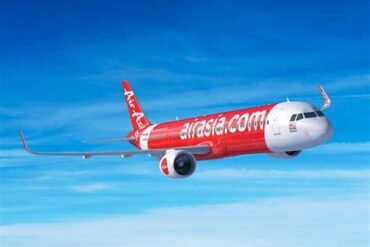
The six A321neo aircraft would serve a different purpose from the A350-900. Rather than targeting the carrier’s longest international missions, the narrowbodies are expected to support regional and medium-haul growth. That makes the order strategically significant because the A321neo can provide additional capacity on routes where a widebody would be excessive while offering the range needed to connect Bangladesh with a broad selection of destinations across Asia and the Middle East.
For Biman, introducing the A321neo would also represent a major technological and operational change. The airline currently operates Boeing narrowbodies, including 737-800s, and its new Boeing commitments include the 737-8. Adding the A321neo means that the carrier will eventually operate competing next-generation narrowbody families alongside each other. That creates additional requirements for pilot training, maintenance, spare parts and engineering support, but it also gives Biman greater flexibility in matching aircraft size and capability to individual markets.
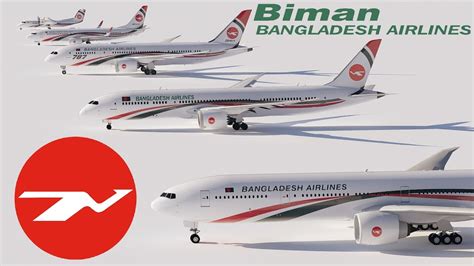
Why Biman Is Ordering Airbus After Buying 25 Boeing Jets
The timing makes the Airbus plan especially intriguing. Biman’s fleet is currently overwhelmingly Boeing, and its recent purchase agreements have dramatically reinforced that position. Boeing’s September announcement confirmed the additional 11-aircraft purchase, while the April agreement was described by Boeing as Biman’s largest-ever order. The carrier’s new Boeing aircraft are designed to expand international services while replacing older equipment and increasing capacity.
Yet the Airbus purchase suggests that Biman does not want its future fleet to remain exclusively tied to one manufacturer. Bangladeshi officials have described the strategy as an effort to create a mixed fleet, while the proposed Airbus deal follows negotiations that continued after the Boeing agreements were completed. The result would be a long-term acquisition program split between two major manufacturers rather than a straightforward continuation of Biman’s traditional Boeing-heavy approach.
Biman Has Flown Airbus Before
Although an Airbus return would be significant, the manufacturer is not completely unfamiliar to Biman. The airline previously operated the Airbus A310-300, with six examples reportedly serving in its fleet between 1996 and 2016. Biman also temporarily leased Airbus A330-200 aircraft from Wamos Air in 2017 and 2018. Nevertheless, its current jet fleet is Boeing-based, making the planned A350 and A321neo acquisition a much more substantial commitment than those earlier appearances.
The biggest challenge may be managing the long transition before the new Airbus aircraft arrive. Biman is reportedly seeking to lease around 10 aircraft to address near-term capacity requirements, because most of its new purchases will not arrive until the next decade. If the Airbus agreement is signed as expected on October 7, the carrier will have taken a remarkable step: just weeks after doubling down on Boeing, it will also be committing to Airbus, creating a 35-aircraft future fleet pipeline designed to support Biman’s expansion well into the 2030s.