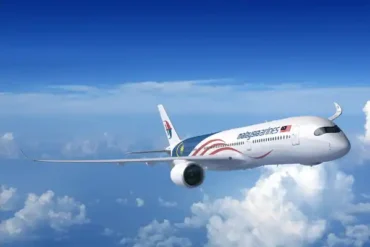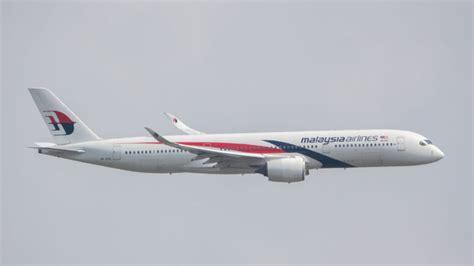
Malaysia Airlines appears to be closing in on a major widebody fleet decision, with Boeing reportedly moving ahead of Airbus in the race to supply the carrier’s next-generation long-haul aircraft. The Malaysian flag carrier is understood to be nearing an agreement for approximately 10 Boeing 787-10 Dreamliners, which would eventually replace its seven leased Airbus A350-900s.
The potential deal would mark a significant shift in Malaysia Airlines’ widebody strategy. The carrier has operated an exclusively Airbus widebody fleet since retiring its final Boeing 777s in 2016, but Boeing could now return to the long-haul fleet with its largest 787 variant.
Sources cited by Bloomberg indicate that earlier delivery availability beginning in 2031 has helped Boeing gain an advantage. The manufacturer has also reportedly benefited from favorable engine terms offered by GE Aerospace, giving Malaysia Airlines additional financial and scheduling reasons to consider the 787-10.
Malaysia Airlines Boeing 787-10 Order Takes Shape
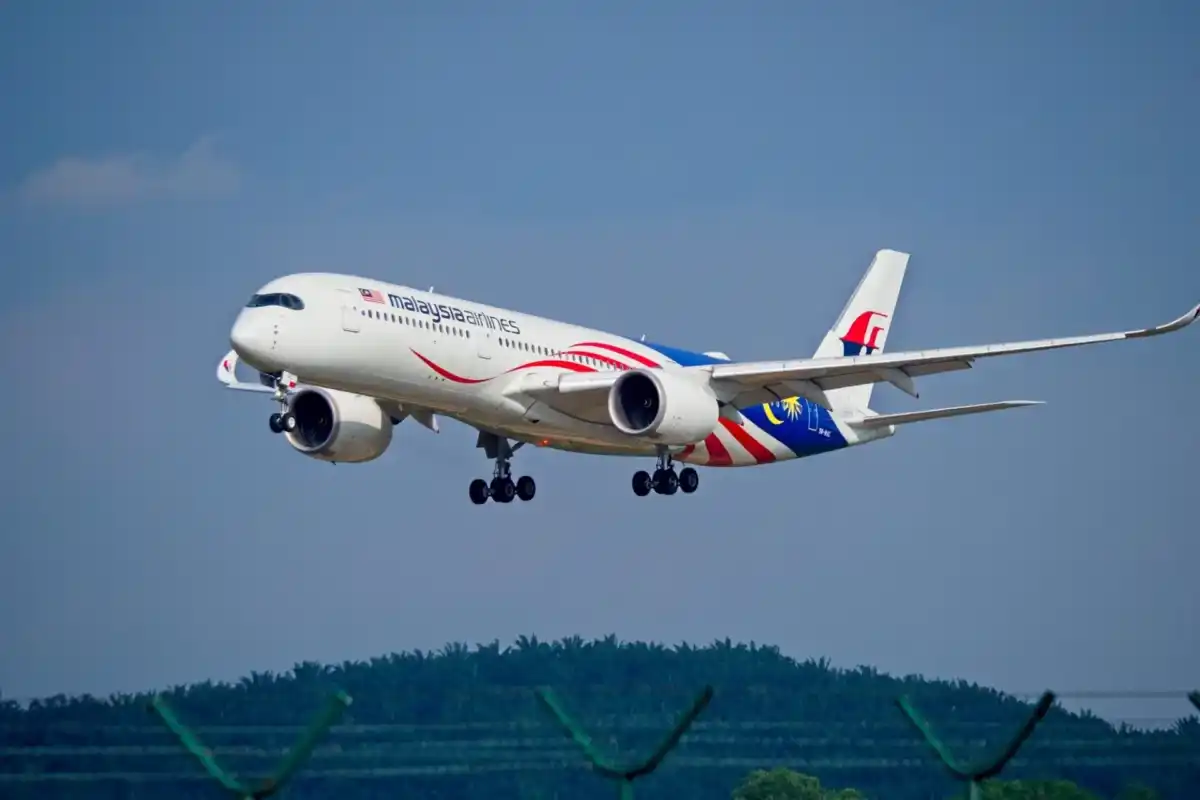
The prospective order is expected to involve around 10 Boeing 787-10s, according to reports. The aircraft would replace the airline’s seven leased A350-900s, which have formed an important part of its long-haul operation since the first examples arrived in 2017.
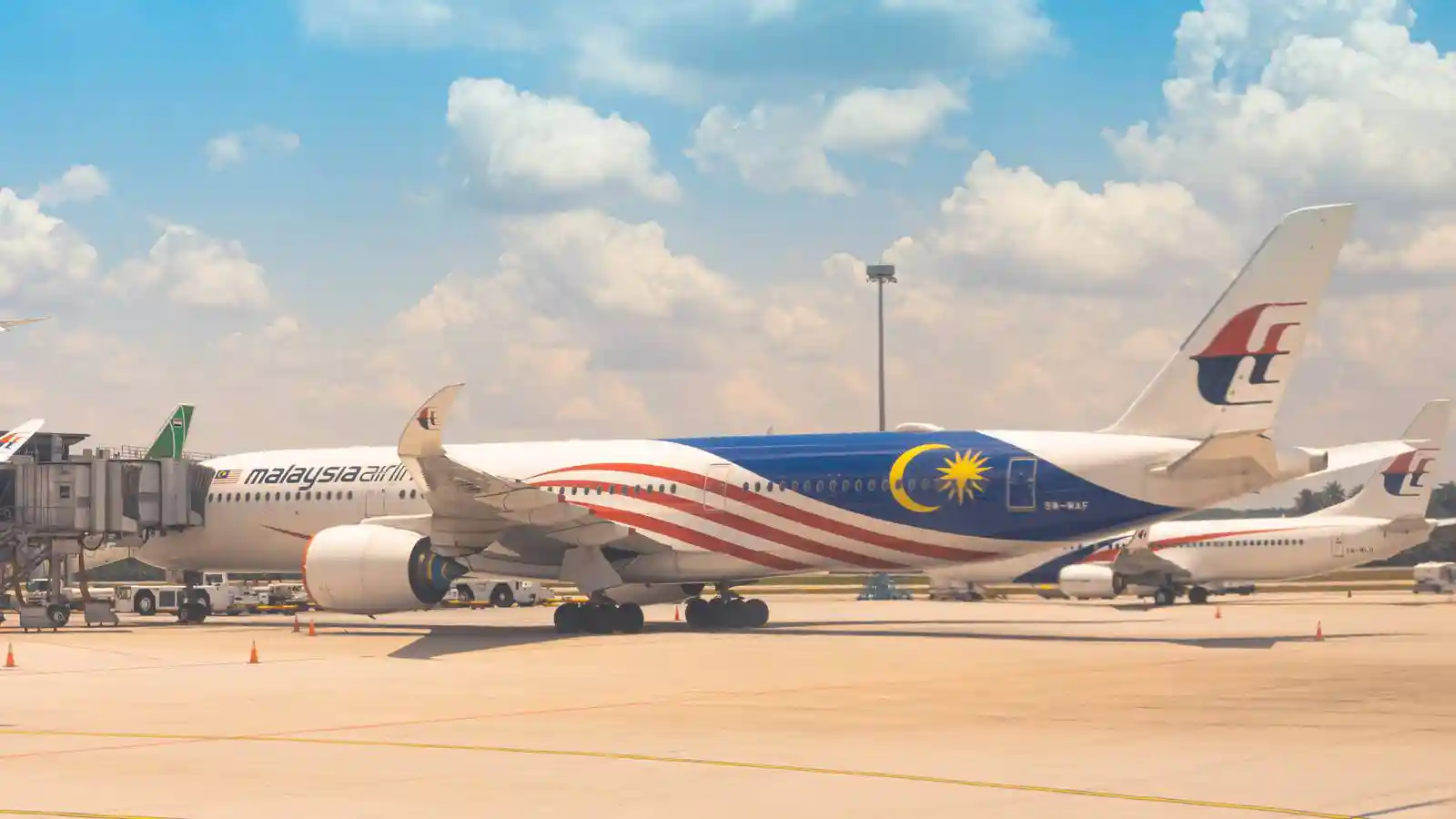
Malaysia Airlines currently operates seven A350-900s, each configured to carry up to 286 passengers. The existing configuration includes four first-class seats, 35 business-class seats, and 247 economy seats. However, the carrier has previously acknowledged the financial pressure associated with leasing the aircraft and has been examining alternatives for its future widebody fleet.
Airbus had several potential candidates in the competition, including the A350-1000, while Boeing could offer the 787-9, 787-10, or the larger 777X. The 787-10 appears to have gained momentum because it combines substantial passenger capacity with earlier delivery opportunities.
For Malaysia Airlines, timing is particularly important. A replacement program beginning around 2031 would give the airline a defined path for gradually removing its leased A350s while introducing a newer generation of aircraft into its long-haul operation.
Why Boeing Has an Advantage Over Airbus
The reported Boeing advantage is not based solely on the aircraft itself. Delivery availability and engine economics appear to have played important roles in the negotiations.
The 787-10 is powered by either GE Aerospace GEnx engines or Rolls-Royce Trent 1000 engines. Sources indicate that GE offered Malaysia Airlines more favorable engine terms than Rolls-Royce. That matters because the Airbus A350 family uses the Rolls-Royce Trent XWB exclusively, meaning an A350 replacement would keep the airline tied to a different engine arrangement.
The 787-10 also fits naturally with Malaysia Airlines’ existing Boeing narrowbody fleet. The airline operates 37 Boeing 737-800s and 19 Boeing 737 MAX 8s, giving it considerable experience with Boeing aircraft and associated operational infrastructure.
A return to Boeing widebodies would therefore not represent an entirely new manufacturer relationship. Instead, it would restore a relationship that once extended across much of Malaysia Airlines’ fleet.
Boeing 787-10 Could Expand Long-Haul Capacity
The proposed 10-aircraft order could do more than simply replace seven A350-900s. It could provide Malaysia Airlines with additional aircraft and therefore greater long-haul capacity.
The 787-10 can carry a similar number of passengers to the A350-900 in many configurations, while its shorter airframe and lower maximum range make it particularly suited to routes where capacity is more important than extreme distance.
That distinction becomes important when examining the aircraft’s range. The Boeing 787-10 has a published range of around 6,330 nautical miles (11,730 kilometers), compared with approximately 8,600 nautical miles (15,750 kilometers) for the Airbus A350-900.
Both aircraft can comfortably serve many of Malaysia Airlines’ important long-haul markets, including routes connecting Kuala Lumpur with destinations in Europe and Australia. However, the 787-10 would provide less range flexibility for exceptionally long routes.
Malaysia Airlines Still Has a Large Airbus Commitment
A Boeing widebody order would not mean Malaysia Airlines is abandoning Airbus. Quite the opposite: the carrier has a substantial number of Airbus aircraft either operating or already committed.
Malaysia Airlines has a firm commitment for 40 Airbus A330-900s, although only 10 had been delivered by September 2026. The first A330neo joined the fleet in November 2024, providing the airline with another modern widebody platform for medium- and long-haul operations.
The carrier also previously operated six Airbus A380s, although all were grounded in 2020 and subsequently retired. The A350-900 therefore became the airline’s primary large long-haul aircraft, while the A330 family continued to cover a broad range of international services.
A future fleet containing A330-900s alongside 787-10s would give Malaysia Airlines two modern widebody families serving different mission requirements.
Boeing and Malaysia Airlines Have a Long History
The possible 787-10 order would also restore a historic Boeing presence in Malaysia Airlines’ widebody fleet.
Boeing’s relationship with the carrier dates back to 1969, when the Boeing 737 first entered Malaysia Airlines’ fleet. Boeing subsequently supplied some of the airline’s most recognizable widebody aircraft, including the 747 and 777.
The final Boeing widebody operated by Malaysia Airlines was the 777-200ER, which left the fleet in 2016. Since then, the carrier’s widebody operation has been entirely Airbus-based.
Malaysia Airlines’ current fleet includes 92 aircraft, according to September 2026 data, with Boeing narrowbodies accounting for more than half of the total. The reported 787-10 plan would therefore restore Boeing’s role in the carrier’s long-haul operation while maintaining a large Airbus presence.
A Potential Turning Point for Malaysia Airlines
The prospective order arrives after Malaysia Airlines made several important Boeing commitments. The airline ordered 18 737-8s and 12 737-10s in early 2025, with options for another 30 narrowbody aircraft. In August 2025, Malaysia also agreed to purchase 30 additional Boeing aircraft as part of a broader trade agreement with the United States.
Malaysia Airlines Group President and Group CEO Captain Nasaruddin Bakar previously indicated that the airline was targeting a formal widebody aircraft order in the fourth quarter of 2026.
If the reported agreement for around 10 Boeing 787-10s is finalized, it would represent a major development in that process. The aircraft would replace leased A350-900s, add capacity beyond the current fleet, and bring Boeing back into Malaysia Airlines’ long-haul operation after a decade-long absence.
For passengers, the significance would ultimately be measured in the routes, frequencies, and cabin products that Malaysia Airlines can support with the new aircraft. For the airline, however, the decision is broader: it would shape the composition of its widebody fleet for much of the 2030s and beyond.