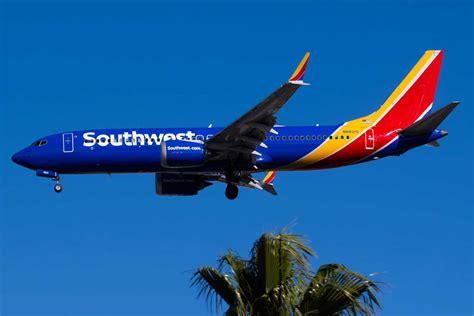
The latest expansion from Southwest Airlines signals more than routine seasonal growth—it reflects a calculated push to capture demand across longer-haul leisure corridors, underserved domestic links, and strategic international markets. With 42 new and returning nonstop routes launching across the spring months of March, April, and May 2026, the airline is not simply adding flights; it is reshaping its network footprint with precision.
This spring, the carrier plans an average of 4,016 daily flights, reinforcing its position as one of the most operationally dense airlines in North America. Behind that figure lies a carefully engineered system of 929 routes, each meeting a minimum threshold of frequency to ensure relevance in both origin-and-destination traffic and connecting flows.
A Network Built for Scale and Strategic Reach
Southwest’s expanded route map reveals a dual strategy: deepen dominance in core hubs while selectively entering new, high-impact destinations. Of the total routes, 856 are domestic and 73 international, emphasizing the airline’s continued reliance on U.S. connectivity while steadily growing cross-border appeal.
The 42 new additions stand out not just in number but in composition. These routes average 872 nautical miles, significantly longer than the airline’s broader network average. This shift toward longer sectors reflects evolving passenger demand for direct, time-saving itineraries, especially in leisure-heavy markets.
At the same time, ultra-short routes—such as Chicago Midway to Milwaukee—remain part of the equation, acting as feeder links that amplify network connectivity rather than standalone profit centers.
Historic Expansion: Southwest Enters Alaska
One of the most defining moments of this expansion is Southwest’s long-awaited entry into Alaska. The introduction of flights to Anchorage marks a historic milestone after more than five decades of operations without serving the state.
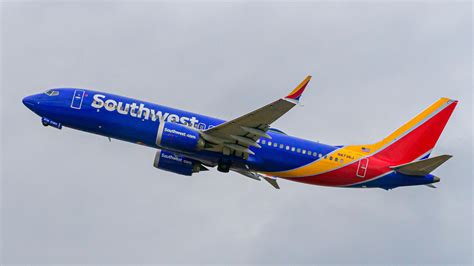
Beginning May 15, daily flights will connect Anchorage with Denver and Las Vegas using the Boeing 737 MAX 8, a 175-seat aircraft optimized for both efficiency and range. This move places Southwest in direct competition with established operators, intensifying capacity in a market that will see record peak-season frequencies.
What makes this launch particularly compelling is the connectivity advantage. Denver already stands as Southwest’s largest hub by passengers and departures, while Las Vegas ranks closely behind. This ensures Anchorage is not an isolated addition but a fully integrated node within a vast domestic network.
San Diego Emerges as a Growth Powerhouse
Few cities illustrate Southwest’s growth strategy better than San Diego. The airline is adding six routes from this California gateway, pushing its total to 41 routes and approximately 110 daily movements during the spring period.
Among these, the San Diego to Kahului route stands out for both its distance and strategic value. At over 2,200 nautical miles, it ranks among the airline’s longest flights and reinforces its commitment to Hawaii as a premium leisure destination.
This route previously struggled with low load factors during the pandemic era, but conditions have shifted dramatically. With travel demand rebounding, Southwest is betting on renewed appetite for nonstop island access, particularly from high-income coastal markets.
Balancing Long-Haul Ambition with Short-Haul Efficiency
The expansion reveals a nuanced balance between ambition and operational discipline. Longer routes—such as Kansas City to Punta Cana and San Diego to Kahului—extend the airline’s reach into high-yield leisure corridors, while shorter routes maintain network density and scheduling flexibility.
This hybrid approach allows Southwest to:
- Maximize aircraft utilization across varied stage lengths
- Capture both premium leisure and budget-conscious travelers
- Enhance connectivity through high-frequency feeder routes
Rather than pivoting entirely toward long-haul flying, the airline is layering complexity onto a proven short-haul foundation, preserving its core identity while expanding its competitive edge.
Competitive Pressure and Market Positioning
Southwest’s route additions are not happening in isolation. Competitors such as Alaska Airlines and United Airlines are simultaneously expanding in key markets, particularly along the West Coast and into leisure destinations.
In Anchorage, the reintroduction of a third major carrier creates intense pricing and capacity dynamics, while in San Diego, Southwest’s growth is partly a response to aggressive expansion by rivals.
This competitive environment underscores a broader industry trend: airlines are increasingly targeting high-demand leisure routes with strong year-round potential, rather than relying solely on business travel recovery.
Four New Cities Signal Strategic Expansion
Beyond route additions, Southwest is introducing four entirely new destinations into its network:
- Anchorage
- Knoxville
- St. Maarten
- Santa Rosa
Each serves a distinct purpose. Anchorage opens a new geographic frontier, while St. Maarten strengthens international leisure offerings. Knoxville and Santa Rosa, meanwhile, reflect a focus on secondary markets with untapped demand and limited nonstop competition.

What This Expansion Means for Travelers
For passengers, the implications are immediate and tangible. The addition of 42 routes translates into:
- More nonstop options, reducing travel time and complexity
- Greater schedule flexibility across key hubs
- Expanded access to leisure destinations, particularly in Hawaii and the Caribbean
Equally important is the ripple effect on pricing. Increased competition and capacity typically lead to more competitive fares, especially in newly contested markets.
A Calculated Leap Forward
Southwest Airlines’ spring expansion is not a scattershot increase in flights—it is a deliberate, data-driven evolution of its network strategy. By blending long-haul growth with short-haul efficiency, entering new markets while reinforcing core hubs, and targeting both domestic and international demand, the airline is positioning itself for sustained relevance in a rapidly shifting aviation landscape.
The addition of 42 nonstop routes may appear incremental at first glance, but in execution, it represents a significant recalibration of how Southwest connects cities, captures demand, and competes at scale.