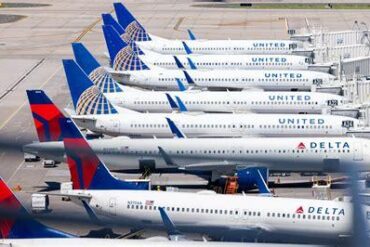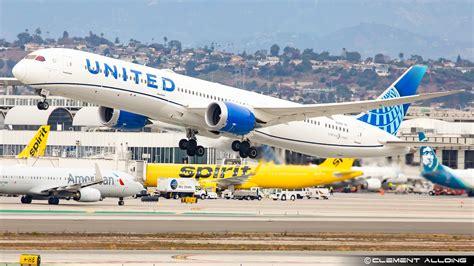
United Airlines is making a decisive and highly strategic expansion for the summer of 2026, adding an astonishing 101,089 new two-way flights to its global schedule. This represents a 10% increase year-over-year, pushing the airline’s planned operations to 1,119,994 flights during the northern summer season. The scale of this move places United at the forefront of global aviation growth, contributing roughly 13% of all additional flights worldwide during the same period.
The expansion reflects more than just numerical growth—it signals a deliberate repositioning of United’s network dominance. While competitors like Delta Air Lines and American Airlines have also increased capacity, United’s leap stands out for its sheer volume and geographic reach. The airline is not only increasing frequency on existing routes but also reshaping its network footprint with new destinations and strategic hub enhancements.
The summer aviation season, defined by IATA scheduling standards, runs from March 29 to October 24, 2026. Within this timeframe, United’s schedule reveals a carefully engineered balance between domestic connectivity and long-haul international growth, indicating a strong confidence in sustained travel demand across multiple market segments.
Network Expansion Reaches Record 388 Destinations
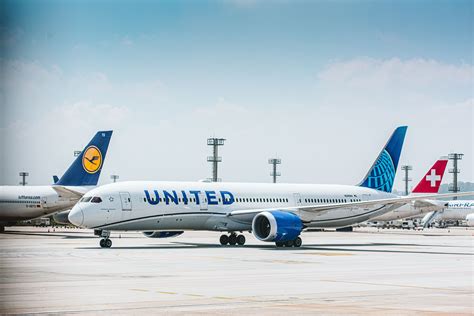
One of the most striking elements of United’s strategy is the expansion of its destination network to 388 airports, surpassing all competitors and setting a new benchmark for route diversity. This growth comes with the addition of 27 new and returning airports, significantly broadening the airline’s reach across both regional and international markets.
Among the newly added destinations are a mix of smaller U.S. cities and globally appealing leisure hubs, including Abilene, Lansing, Erie, and Wausau, alongside international entries such as Bangkok, Ho Chi Minh City, Bari, and Split. Some of these long-haul routes are facilitated through strategic connections, particularly via Hong Kong, reinforcing United’s multi-hub international connectivity model.
This expansion is not without refinement. United has discontinued service to four underperforming destinations—Dakar, Havana, Stockholm Arlanda, and Tenerife South—highlighting a data-driven approach to route optimization. These cuts reflect lower load factors and reinforce the airline’s focus on profitability rather than sheer coverage.
Chicago O’Hare Emerges as the Core Growth Engine
At the heart of United’s expansion lies Chicago O’Hare International Airport, which accounts for a staggering 72,179 additional flights, or 71% of the airline’s total growth. This concentration underscores O’Hare’s role as United’s primary operational powerhouse and a critical battleground in its rivalry with American Airlines.
The airline has increased both route frequency and network breadth at O’Hare, expanding from 197 to 220 routes. This includes a notable rise in short-haul services, designed to feed long-haul connections and maximize hub efficiency. The strategy reflects a hub-and-spoke optimization model, where increased connectivity drives higher passenger throughput.

However, this aggressive growth faces regulatory constraints. The Federal Aviation Administration (FAA) has imposed a cap of 2,708 daily aircraft movements at O’Hare to mitigate congestion and delays. Current schedules indicate planned operations exceeding this limit, meaning U.S. carriers—including United—will need to adjust.
United alone has scheduled 1,468 daily movements, accounting for more than half of all operations at the airport. This dominance is both an advantage and a challenge, as the airline must now decide whether to trim frequencies or restructure routes to comply with FAA restrictions.
Newark and Denver Drive Secondary Growth Momentum
Beyond Chicago, United’s expansion strategy is reinforced by strong growth at other major hubs, particularly Newark Liberty International Airport and Denver International Airport. Newark has added 12,407 flights, marking an 8% increase, while Denver follows with 7,836 additional flights, representing a 4% rise.
Denver’s network expansion is particularly notable, growing from 192 to 200 destinations. This reflects United’s ongoing investment in the airport as a central gateway for transcontinental and midwestern travel, leveraging its geographic advantage for efficient routing.
Newark, meanwhile, continues to serve as a key international gateway, especially for transatlantic and emerging long-haul markets. The growth here reinforces United’s position in the highly competitive New York metropolitan area, where demand for premium and international travel remains robust.
Washington Dulles Shows Strategic Capacity Shift
In contrast to the broader growth trend, Washington Dulles International Airport is the only major United hub experiencing a slight decline in flight numbers, dropping marginally from 114,201 to 113,725 services. At first glance, this appears to be a contraction, but the underlying strategy tells a different story.
Rather than reducing capacity, United is increasing aircraft size and seat availability, adding approximately 179,000 more seats overall. This shift is driven by a reduction in regional jet operations, replaced with larger aircraft that offer greater efficiency and improved passenger economics.
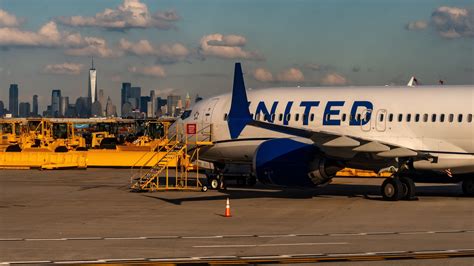
This approach reflects a broader industry trend toward “upgauging”, where airlines prioritize higher-capacity aircraft over increased flight frequency. The result is a more streamlined operation that balances demand with cost efficiency while maintaining network integrity.
A Bold Bet on Sustained Travel Demand
United Airlines’ massive summer 2026 expansion is ultimately a calculated bet on continued global travel recovery and growth. By scaling up operations, expanding its network, and reinforcing key hubs, the airline is positioning itself to capture a larger share of both leisure and business travel markets.
The combination of frequency increases, new destinations, and strategic hub investments creates a powerful framework for sustained competitiveness. At the same time, the airline’s willingness to cut underperforming routes and adapt to regulatory limits demonstrates a pragmatic and disciplined execution strategy.
As the aviation industry continues to evolve, United’s aggressive expansion signals a clear message: it intends not just to participate in the recovery, but to define its trajectory at a global scale.