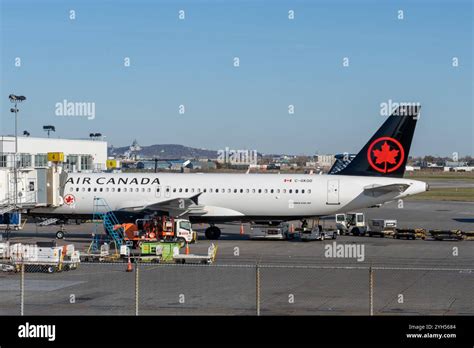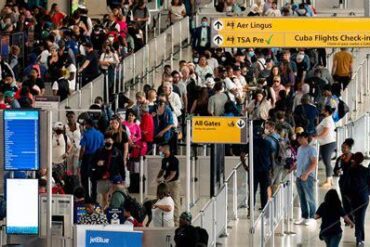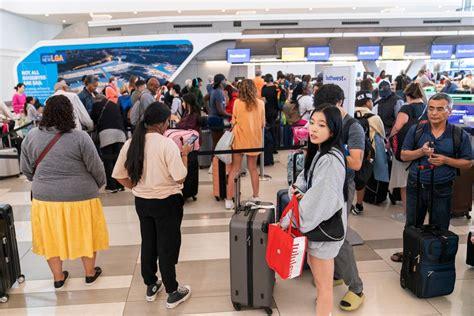
Nearly 400 flights were delayed or cancelled across Canada’s busiest airports on Monday, July 7, 2025, as a complex web of severe weather events triggered widespread disruption in air travel. From Toronto Pearson and Vancouver International to Montreal-Trudeau, the ripple effects of heavy rains, reduced visibility, thunderstorms, and strong winds left passengers stranded, airlines scrambling, and airport systems strained.
Weather Chaos Strikes Canadian Air Travel Hubs
As a low-pressure system swept across central and eastern Canada, major hubs buckled under the pressure of high passenger volumes and unpredictable weather. The hardest hit was Toronto Pearson International Airport (YYZ), which recorded 107 delays and 12 cancellations. Prolonged rainfall, low clouds, and thunderstorms created cascading operational issues, forcing aircraft into holding patterns, delaying ground services, and pushing already strained schedules beyond their limits.
Air traffic control had to implement expanded separation intervals, restrict takeoffs, and reconfigure runway assignments in response to shifting wind patterns and low visibility. The result was a chokehold on flight movement, particularly during peak afternoon hours.
Vancouver and Montreal Face Slower But Significant Disruption
Vancouver International Airport (YVR) reported 69 delays and 3 cancellations, primarily due to intermittent fog and light rain, which led to slower taxi times and backup at departure gates. Although less chaotic than Toronto, the impact was most felt in international departures, where visibility issues delayed several long-haul flights.
Meanwhile, Montreal-Trudeau International Airport (YUL) logged 70 delays and 2 cancellations, citing low clouds and misty rain as contributing factors. Though Montreal handled the challenge with relative efficiency, even brief disruptions compounded throughout the day as aircraft movements slowed and turnaround times grew longer.
Calgary and Edmonton Experience Ripple Effects
Out west, Calgary International Airport (YYC) experienced significant slowdown with 89 delays and 2 cancellations. Gusty winds and intermittent thunderstorms near the region disrupted ground operations and halted aircraft servicing briefly. The majority of delays were attributed to WestJet, whose operations at the Calgary hub form a substantial part of its route network.
Edmonton International Airport (YEG), though spared from severe local weather, still recorded 13 delays and 2 cancellations, largely due to inbound flights being affected elsewhere. This domino effect showcases how vulnerable interlinked hub-and-spoke networks are to widespread meteorological disruption.
Halifax, Quebec City, and Winnipeg: Moderate to Minor Impact
Halifax Stanfield International Airport (YHZ), on the country’s east coast, faced 17 delays and 1 cancellation amid persistent rainfall and breezy conditions. Though the numbers were lower than other hubs, the delays hampered regional connections and affected smaller carriers disproportionately.
Quebec City Jean Lesage International Airport (YQB) experienced 14 delays and 2 cancellations, largely due to mist and low cloud cover. PAL Airlines, a regional carrier, absorbed the brunt of those cancellations, affecting flights to Newfoundland and Labrador.
Winnipeg International Airport (YWG) emerged relatively unscathed with just 7 delays and no cancellations, thanks to stable local conditions. However, inbound traffic delays from Toronto and Calgary still trickled into the timetable, causing minor slowdowns.
The Toronto Pearson Breakdown: Airline-Specific Impacts
At Toronto Pearson, Canada’s busiest airport, the breakdown of delays and cancellations across major airlines offered a revealing look at how individual carriers fared under weather-induced stress:
- Air Canada: 27 delays, 1 cancellation — the highest number of delayed flights at Pearson.
- Porter Airlines: 7 cancellations, 9 delays — with a disproportionately high cancellation rate.
- WestJet: 10 delays, 2 cancellations.
- Air Canada Rouge and Jazz: 10 delays each.
- International carriers such as British Airways, Lufthansa, Qatar Airways, and Virgin Atlantic also recorded multiple delays, highlighting the storm’s global operational reach.
National Overview of Airline Struggles
Across the country, weather complications tested the resiliency of not only Canadian carriers like Air Canada, WestJet, Porter, and Flair, but also major international operators including Delta Air Lines, American Airlines, and British Airways. Here’s a snapshot of some of the more heavily affected airlines nationwide:
- Jazz Aviation: Over 39 delays spread across six airports.
- Air Canada: Delays at every major hub, especially in Toronto, Montreal, and Vancouver.
- WestJet: More than 80 delays across Calgary, Vancouver, and Toronto.
- Porter Airlines: Cancellations in Toronto, Edmonton, and Halifax.
These numbers illustrate the extent to which even moderate weather patterns, if timed poorly and overlapping with peak summer traffic, can generate severe nationwide logistical complications.
Why This Storm Mattered More Than It Should Have
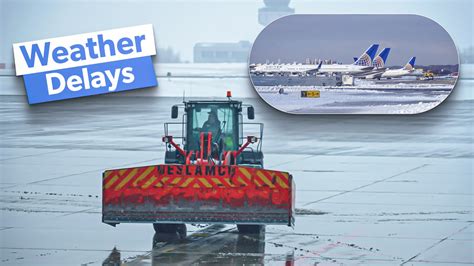
What made July 7 particularly disruptive was not the severity of the storm itself, but its geographic reach and timing. The absence of extreme conditions — such as tornadoes or blizzards — might suggest that delays should have remained minimal. However, when paired with summer passenger volumes and complex international schedules, even light fog, moderate rain, and gusty winds can wreak havoc.
Air traffic controllers in affected areas had to implement more conservative separation intervals between aircraft due to unpredictable wind shear and shifting visibility. Ground crews, meanwhile, dealt with slippery runways, ramp closures, and delayed baggage transfers.
Canadian Airports’ Increasing Exposure to Weather Volatility
This latest weather-induced mess adds to a growing concern: Canada’s air transportation network is becoming more vulnerable to even modest meteorological instability. The July 7 scenario exposed the fine margins by which air traffic logistics operate. A few extra minutes added to taxi times or delayed clearances quickly ripple across entire route networks.
Airport authorities and airlines alike are being pressured to enhance operational flexibility, invest in better storm-tracking systems, and establish more resilient contingency plans. With climate change contributing to more frequent bouts of localized but intense weather, these kinds of disruptions are likely to increase.

The Passenger Perspective: Confusion, Frustration, and Caution
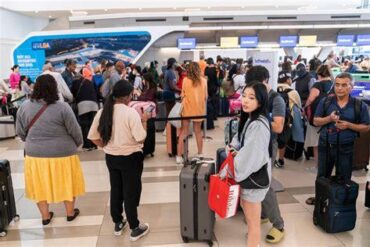
Passengers caught in the travel chaos reported long waits, missed connections, and minimal updates from airline staff. Social media was flooded with complaints from stranded travelers, many of whom learned about cancellations only minutes before scheduled departures.
Travelers flying through hub airports like Toronto and Vancouver were the most affected, as inbound disruptions caused a domino effect on outbound flights. Passengers were urged to frequently monitor their flight status, download their airline’s mobile app for real-time alerts, and plan for unexpected layovers or overnight delays.
Looking Ahead: Preparing for the Next Disruption
While most airports had returned to normal operations by evening, the day’s events underscored the fragile balance within which modern air travel operates. As airlines analyze delay data and operational performance, attention is likely to focus on:
- Improved weather modeling integration into flight planning.
- Enhanced communication protocols between ATC and airline dispatchers.
- Greater emphasis on flexible crew and aircraft scheduling.
- Upgrades in passenger notification systems to avoid confusion during high-stress situations.
Passengers can also play a role in minimizing travel disruption stress by booking longer layovers, choosing morning flights where possible, and having travel insurance that covers weather delays.
Conclusion: A Storm of Consequences, A Call for Resilience
The widespread flight delays and cancellations across Canadian airports on July 7 weren’t caused by a catastrophic weather event. Rather, they reflect how even mild disruptions — when timed with peak operational periods — can cascade into major national upheavals in air travel.
With climate variability increasing and infrastructure pushed to its limits, the aviation industry faces a reckoning: adapt rapidly or face increasingly frequent and frustrating collapses of schedule reliability. In the meantime, passengers must stay alert, flexible, and prepared for a future where weather is an ever-present wild card in travel planning.