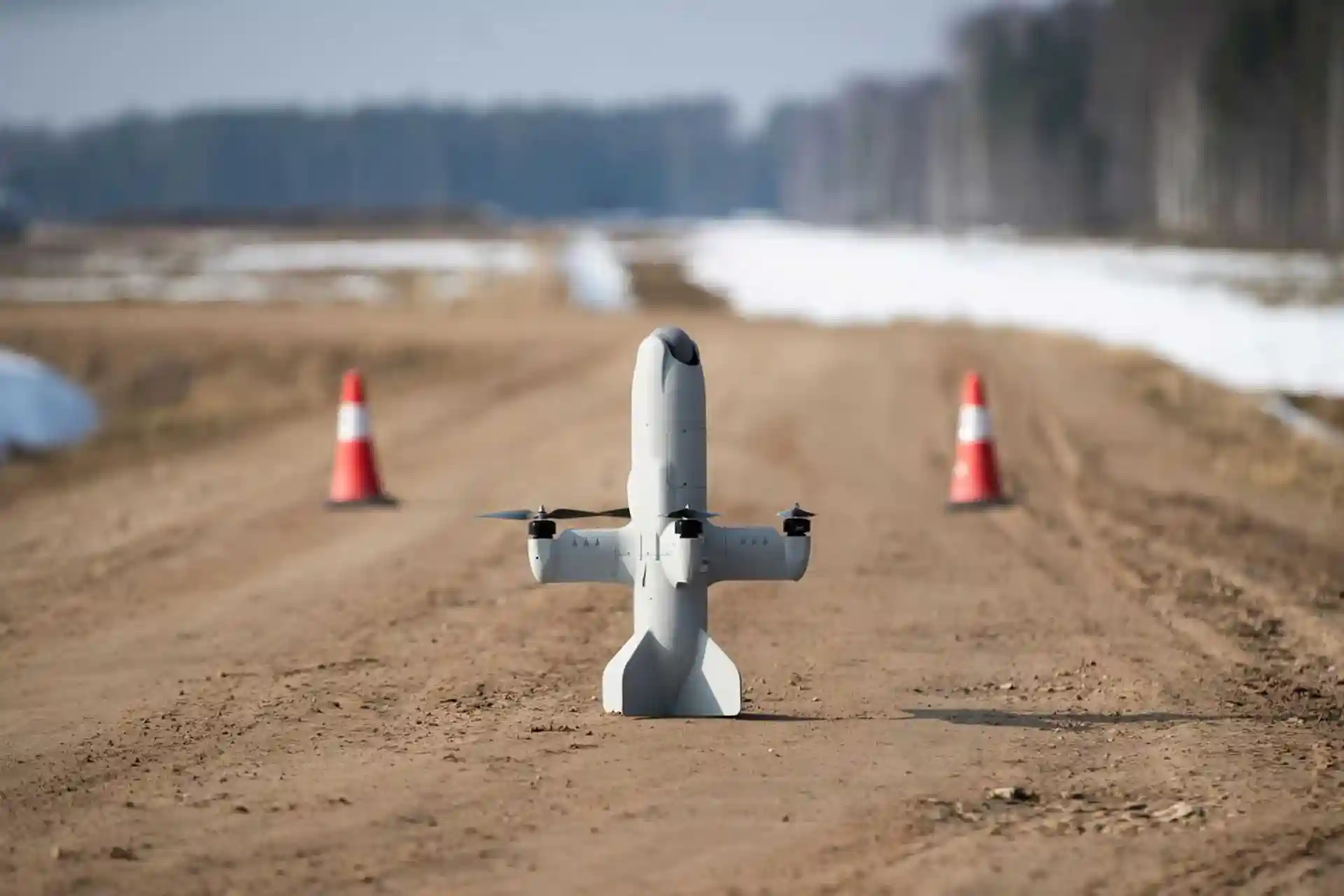
The evolving battlefield has made one reality unmistakably clear: drones are no longer auxiliary tools—they are central to modern warfare. In response, NATO has initiated its first Testing, Evaluation, Verification, and Validation (TEVV) campaign focused entirely on counter-drone capabilities. Conducted in Latvia, this landmark effort signals a decisive shift toward rapid innovation and operational readiness in the face of increasingly sophisticated unmanned threats.
Set within the Sēlija military training area, the campaign represents a convergence of cutting-edge technology, real-world combat lessons, and multinational cooperation. It is not merely a test—it is a strategic message: NATO is accelerating its defense posture against one of the fastest-growing threats in global security.
Strategic Importance of Latvia’s Innovation Range
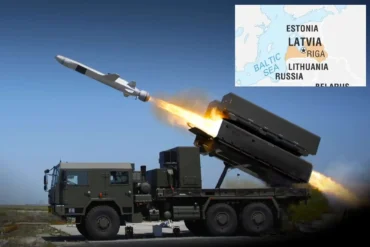
Latvia has emerged as a critical node in NATO’s eastern defense architecture. By hosting the Innovation Range, the country provides an ideal environment for testing next-generation air defense systems under realistic and demanding conditions. The range allows for high-speed drone simulations, complex aerial maneuvers, and multi-layered threat scenarios that mirror real combat environments.
The decision to stage these trials in Latvia is deeply strategic. Positioned on NATO’s eastern flank, Latvia offers proximity to regions where drone warfare has already reshaped military doctrine. This geographic advantage ensures that testing aligns closely with real-world operational demands rather than theoretical assumptions.
Inside the TEVV Campaign: Real-World Testing at Scale
The TEVV campaign brings together defense companies, operational units, and government stakeholders from across NATO member states, alongside key contributions from Ukraine. The inclusion of Ukrainian expertise is particularly significant, as its forces have accumulated unparalleled experience in countering drone swarms, loitering munitions, and reconnaissance UAVs.
At the core of the campaign lies a rigorous testing framework designed to evaluate:
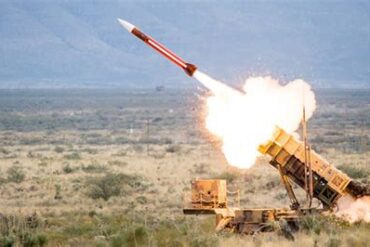
- High-speed kinetic interceptors capable of neutralizing fast-moving aerial threats
- Electronic warfare (EW) systems targeting drone communication and navigation links
- Integrated sensor networks combining radar, electro-optical, and RF detection
- Layered air defense architectures ensuring seamless detection-to-neutralization chains
Rather than isolated testing, these systems are evaluated as part of a cohesive ecosystem. This approach reflects a fundamental shift in air defense philosophy—moving from standalone solutions to interconnected, adaptive networks capable of responding to saturation attacks.
From Battlefield Lessons to Technological Innovation
The influence of ongoing conflicts, particularly in Ukraine, is unmistakable. Drone warfare has demonstrated how low-cost systems can overwhelm traditional defenses, forcing militaries to rethink both strategy and technology. NATO’s TEVV campaign directly integrates these lessons, ensuring that new systems are not only advanced but also combat-relevant.
Ukrainian input has been instrumental in highlighting key challenges:
- Operating in contested electromagnetic environments
- Countering autonomous and GNSS-independent drones
- Maintaining system resilience under continuous swarm attacks
These insights are shaping the development of both hard-kill and soft-kill solutions. While kinetic interceptors remain essential, there is a growing emphasis on electronic warfare as a scalable and cost-effective alternative. Jamming, spoofing, and signal disruption technologies are increasingly seen as the first line of defense against mass drone incursions.
Electronic Warfare Takes Center Stage
One of the most notable aspects of the campaign is its focus on electronic warfare in an open-spectrum environment. Unlike controlled laboratory conditions, the Innovation Range allows systems to operate amid real electromagnetic interference, simulating the chaos of modern battlefields.
Companies are testing advanced EW capabilities designed to:
- Disrupt drone command-and-control links
- Manipulate navigation systems through spoofing
- Neutralize autonomous targeting algorithms
This shift toward soft-kill solutions reflects both economic and tactical realities. Missile-based interceptors, while effective, are costly and limited in supply. In contrast, electronic warfare offers a reusable and scalable response, particularly against large-scale drone swarms.
Accelerating Innovation Through Industry Collaboration
The TEVV framework is not just about testing—it is about shortening the path from concept to deployment. By providing defense companies with direct access to NATO stakeholders, the campaign enables rapid validation of prototypes and pre-production systems.
This collaborative model delivers several critical advantages:
- Early alignment between technical performance and operational needs
- Faster integration of new technologies into active units
- Enhanced standardization and interoperability across allied forces
For NATO, interoperability is not a luxury—it is a necessity. In multinational operations, the ability of different systems to communicate and function seamlessly can determine mission success or failure. The TEVV campaign ensures that new counter-drone solutions are designed with this requirement at their core.
Building a Layered Defense Against Drone Saturation
Modern drone threats are defined by their scale and diversity. From small commercial quadcopters to high-speed loitering munitions, adversaries are leveraging a wide spectrum of unmanned systems to achieve tactical and strategic objectives.
To counter this, NATO is focusing on layered air defense, integrating multiple technologies into a unified framework. This includes:
- Short-range air defense systems for immediate threat response
- Mobile EW units for dynamic battlefield adaptation
- Advanced sensor fusion for early detection and tracking
The goal is to create a seamless chain that begins with detection and ends with neutralization—capable of handling not just individual drones but coordinated swarm attacks.
A Forward-Looking Defense Posture
The establishment of a permanent testing ecosystem in Latvia marks a significant evolution in NATO’s defense strategy. Rather than reacting to threats, the Alliance is building a proactive, continuously evolving capability designed to stay ahead of adversaries.
By conducting multiple TEVV campaigns throughout 2026, NATO is creating a continuous feedback loop between developers, operators, and decision-makers. This iterative approach ensures that lessons learned in testing are rapidly translated into operational improvements.
More importantly, it sends a clear signal of deterrence. A visibly advancing counter-drone capability not only enhances force protection but also complicates adversary planning, reinforcing NATO’s strategic position on its eastern flank.
In an era where drones are redefining warfare, NATO’s initiative in Latvia stands as a decisive step toward securing the skies—not just for today’s conflicts, but for the unpredictable battles of tomorrow.