Modern aviation is often described as one of the safest forms of transportation ever created—and that reputation is not accidental. It is the product of decades of relentless engineering refinement, operational discipline, and a safety-first culture embedded across manufacturers, airlines, and regulators. When discussing the safest commercial aircraft ever, a few standout models consistently rise above the rest, not only because of their impeccable safety records but also due to the philosophies that shaped their design.
The evolution of aircraft safety is not a story of perfection from the beginning. Instead, it is a narrative of continuous improvement, where every incident—no matter how minor—feeds into a global learning system. Today’s safest aircraft are not just machines; they are data-driven ecosystems equipped with redundancy, predictive systems, and advanced materials designed to minimize risk at every stage of flight.
Aircraft safety is typically measured through metrics such as hull losses, fatal incidents, and operational reliability. While no system can ever be completely risk-free, certain aircraft have achieved near-flawless records over millions of flight hours. Among them, the Boeing 717, Airbus A380, and Boeing 787 stand as benchmarks of modern aviation safety.
Boeing 717: The Quiet Champion of Flawless Safety
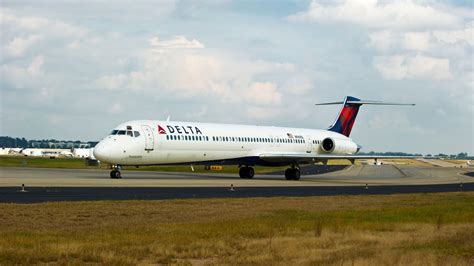
The Boeing 717 is one of aviation’s most underrated success stories. Originally conceived as the MD-95 before Boeing’s merger with McDonnell Douglas, the aircraft entered service in 1999 and quickly established itself as a reliable workhorse for short- to mid-range routes. Designed to carry around 100 passengers, it filled a niche that demanded efficiency without compromising safety.
What makes the 717 remarkable is not flashy innovation, but consistency and robustness. Powered by two Rolls-Royce BR715 engines, the aircraft was engineered with simplicity and reliability in mind. Its systems architecture minimizes unnecessary complexity, reducing the likelihood of cascading failures—an often overlooked factor in aviation safety.
Over decades of service, the Boeing 717 has maintained an extraordinary safety record, with zero hull losses and zero fatal accidents. This is not a statistical fluke; it reflects a design philosophy that prioritizes predictability, maintainability, and pilot familiarity. Airlines such as Delta Air Lines have continued to operate the type well into the 2020s, citing its operational dependability and economic efficiency.
The aircraft’s cockpit design also plays a subtle but crucial role. By emphasizing pilot ergonomics and intuitive controls, the 717 reduces workload during critical phases of flight. Combined with rigorous maintenance protocols, this has helped ensure that the aircraft remains one of the safest narrowbody jets ever built.
Airbus A380: Engineering Scale Meets Unmatched Safety
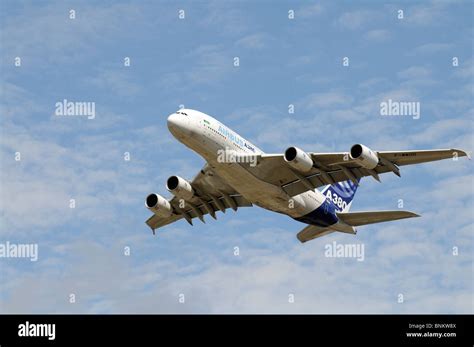
If the Boeing 717 represents understated excellence, the Airbus A380 embodies engineering ambition at its peak. As the world’s largest passenger aircraft, the A380 introduced a level of complexity that could have increased risk—but instead, it achieved one of the cleanest safety records in aviation history.
Entering service in 2007 with Singapore Airlines, the A380 was designed from the ground up with redundancy layered into every critical system. Its four-engine configuration, while less fuel-efficient than twin-engine counterparts, provides an added margin of safety in the event of engine failure. More importantly, the aircraft incorporates multiple independent backup systems, ensuring that no single point of failure can compromise the flight.
Despite carrying up to 800+ passengers in high-density configurations, the A380 has recorded no fatal accidents and no hull losses. This is particularly impressive given the aircraft’s global reach, operating long-haul routes across some of the busiest and most challenging airspaces.
However, safety is not the absence of incidents—it is the ability to manage them effectively. The A380 has experienced notable engine events, such as Qantas Flight 32 in 2010. In that case, the aircraft sustained a severe engine failure shortly after takeoff. Yet, thanks to its advanced flight control systems and redundant architecture, the crew was able to safely return and land without loss of life. That incident alone demonstrated how design resilience can transform potential disasters into controlled outcomes.
Passengers may notice the A380’s quiet cabin and spacious decks, but beneath that comfort lies a network of real-time monitoring systems, advanced avionics, and structural integrity reinforced by cutting-edge materials. It is not just big—it is meticulously engineered for safety at scale.
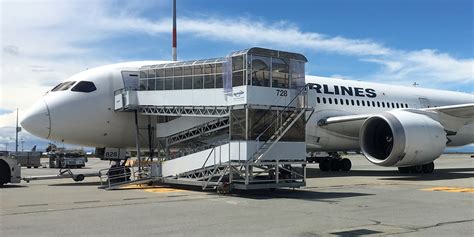
Boeing 787 Dreamliner: Composite Innovation and Intelligent Safety
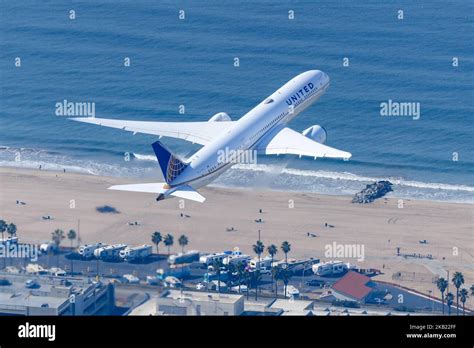
The Boeing 787 Dreamliner represents a new era of aviation, where safety is enhanced not only through redundancy but also through material science and digital intelligence. Introduced in 2011, the 787 was one of the first commercial aircraft to use composite materials extensively, reducing weight while increasing structural strength and resistance to fatigue.
This shift in materials brought a cascade of safety benefits. Composite structures are less prone to corrosion and can better withstand stress over time, contributing to long-term durability and reliability. Additionally, the aircraft’s advanced sensors continuously monitor structural performance, allowing maintenance teams to identify and address issues before they escalate.
The Dreamliner is also equipped with state-of-the-art avionics, including fly-by-wire systems that enhance control precision and reduce pilot workload. Its engines—either General Electric GEnx or Rolls-Royce Trent 1000—are designed for high efficiency and reliability, with sophisticated monitoring systems that track performance in real time.
While the 787 has experienced isolated incidents, including a fatal accident in 2025, its overall safety record remains exceptionally strong given its widespread global use. With over a billion passengers carried in less than 15 years, the aircraft has demonstrated how modern engineering can scale safety across high-volume operations.
What sets the 787 apart is its ability to integrate predictive analytics into everyday operations. Airlines can analyze flight data to anticipate maintenance needs, optimize performance, and reduce risk. This proactive approach marks a shift from reactive safety measures to anticipatory risk management.
What Truly Makes an Aircraft Safe? Beyond the Airframe
Focusing solely on aircraft models risks missing the bigger picture. The safest aircraft in the world would not remain safe without a broader ecosystem that supports continuous vigilance and improvement. Safety in aviation is not a static achievement—it is a living system that evolves with every flight.
At the heart of this system is a strong safety culture. Airlines and manufacturers encourage employees at all levels to report potential issues, no matter how minor. This openness ensures that small problems are addressed before they become serious threats. It is a culture where silence is considered a risk, not a virtue.
Equally important is the implementation of Safety Management Systems (SMS). These frameworks integrate data, procedures, and human factors into a cohesive strategy for managing risk. By analyzing trends and identifying vulnerabilities, SMS allows organizations to stay ahead of potential hazards rather than reacting to them after the fact.
Modern aviation also relies heavily on data-driven decision-making. With the expansion of digital systems and machine learning, vast amounts of operational data can be analyzed to detect patterns that might otherwise go unnoticed. This enables a level of foresight that was unimaginable just a few decades ago.
Collaboration across the industry further strengthens safety. Manufacturers, airlines, regulators, and suppliers work together to develop integrated solutions that address emerging challenges. Conferences, safety forums, and shared databases ensure that knowledge is disseminated quickly and effectively.
The Evolution of Safety: Why Modern Aircraft Keep Getting Safer
The remarkable safety records of aircraft like the Boeing 717, Airbus A380, and Boeing 787 are not endpoints—they are milestones in an ongoing journey. Each new generation of aircraft builds upon the lessons of its predecessors, incorporating new technologies and refining existing systems.
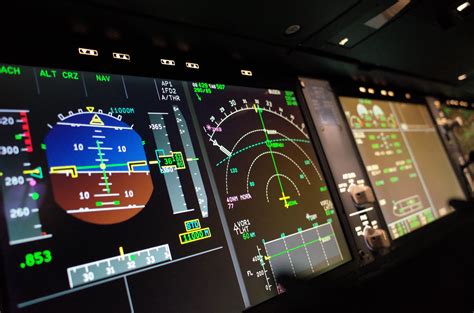
One of the most significant trends is the move toward automation and intelligent assistance. Modern aircraft can perform complex tasks with minimal human intervention, reducing the likelihood of human error while still keeping pilots firmly in control. This balance between automation and human oversight is critical to maintaining safety.
Another key development is the use of advanced materials and manufacturing techniques. From composite fuselages to precision-engineered components, these innovations enhance both performance and resilience. They also enable more efficient inspections and maintenance, further reducing risk.
Perhaps most importantly, the industry has embraced the idea that safety is not a competitive advantage—it is a shared responsibility. Airlines do not compete on safety standards; they collaborate to raise them universally. This collective mindset has played a crucial role in making air travel safer than ever before.
Aviation Safety in Perspective: Confidence Backed by Data
It is easy to take modern aviation safety for granted, but the numbers tell a compelling story. Over the past three decades, the rate of accidents and fatalities in commercial aviation has declined dramatically, even as global air traffic has increased. This means that more people are flying than ever before, yet the likelihood of an accident continues to decrease.
Aircraft like the Boeing 717 and Airbus A380 demonstrate that near-perfect safety records are achievable, while the Boeing 787 shows how innovation can push those standards even further. Together, they represent different approaches to the same goal: protecting human life at every stage of flight.
For passengers, this translates into a simple reality: stepping onto a modern commercial aircraft is statistically one of the safest decisions one can make. Behind that reassurance lies a vast network of engineering expertise, operational discipline, and relentless improvement.
And if there is a quiet irony in all of this, it is that the safest aircraft are often the least noticed. They do their job so well that they fade into the background—no drama, no headlines, just millions of uneventful flights. In aviation, that kind of invisibility is the ultimate mark of success.