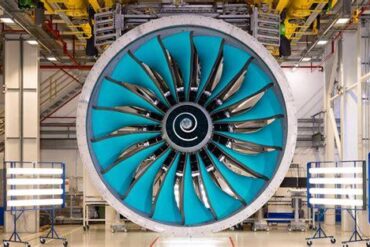
In the dynamic evolution of sustainable aviation, Rolls-Royce is setting new benchmarks by pioneering a hybrid-electric propulsion revolution. As global travel demands increasingly efficient and eco-friendly solutions, the company is reshaping the future of flight by integrating hybrid-electric systems that combine its legacy of turbine engineering with cutting-edge electric propulsion advancements.
Pioneering the Hybrid-Electric Flight Landscape
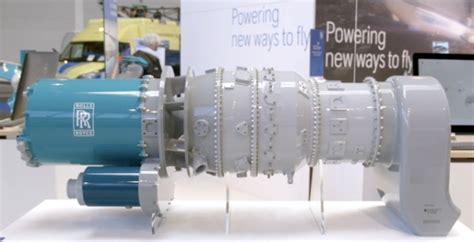
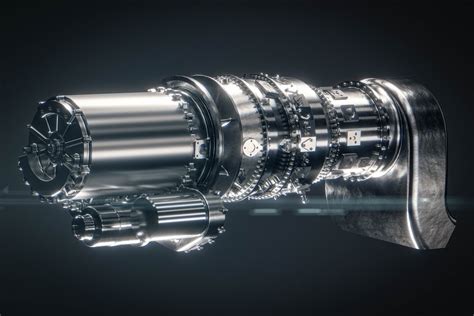
While full-electric propulsion systems are transformative for commuter-class aircraft and eVTOL (electric vertical takeoff and landing) applications, their reach remains limited by current battery technology constraints. Aircraft requiring longer range or heavier payloads demand an innovative energy solution that bridges today’s capabilities with tomorrow’s ambitions. Rolls-Royce’s response is the development of a turbo generator system—a scalable, versatile energy source designed to power serial hybrid propulsion systems.
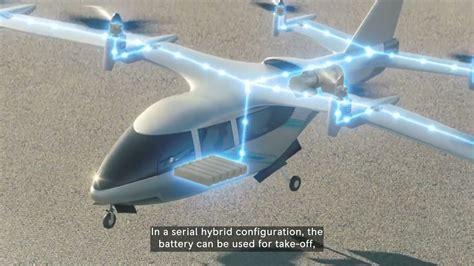
The turbo generator technology enables an aircraft to leverage the battery’s power for energy-intensive phases such as takeoff, then shift to turbogenerator-driven energy during cruising, simultaneously recharging onboard batteries and propelling the aircraft efficiently. This dual-mode operation drastically extends operational range while minimizing reliance on traditional fuels, representing a critical leap toward decarbonized aviation.
Advanced Engineering in Hungary: The Core of Innovation
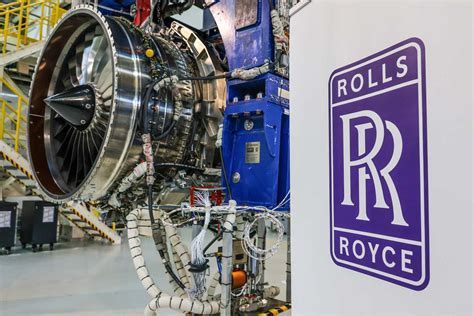
A dedicated engineering team in Hungary stands at the forefront of this ambitious project. The team is responsible for the development of the electrical generator and its seamless inverter integration, two critical components that ensure the system’s performance and reliability under aviation-grade conditions. The electrical generator is meticulously engineered to deliver consistent, high-quality power output, while the inverter optimizes the conversion and control of electrical energy, enabling flexible and resilient system operations.
This initiative reflects a bold fusion of disciplines, blending mechanical, electrical, and software engineering into one cohesive unit. The complexity of the system demands rigorous precision and a visionary approach, ensuring that scalability and adaptability remain at the heart of the turbogenerator’s design.
Serial Hybrid Configuration: Extending Possibilities Beyond Battery Limits
The serial hybrid architecture forms the core strategy for extending aircraft range. In this configuration, batteries provide the initial thrust required during takeoff and ascent—phases where power demand peaks. Once the aircraft stabilizes in cruise mode, the turbogenerator takes over, supplying electricity both to the propulsion motors and to recharge the batteries simultaneously.
This strategy presents several key advantages:
- Extended Flight Range: By replenishing battery reserves mid-flight, aircraft can operate across significantly longer distances.
- Flexible Fuel Sources: The turbogenerator is designed to operate efficiently on both sustainable aviation fuel (SAF) and hydrogen, aligning with future green energy standards.
- Operational Versatility: Aircraft can adapt mission profiles without being restricted by battery limitations alone, expanding commercial and industrial aviation applications.
This flexibility opens new doors for regional connectivity, cargo transportation, and even intercity commuter services that demand both range and reliability.
Sustainability at the Core: Hydrogen and Sustainable Aviation Fuels
Rolls-Royce’s commitment to environmental sustainability is evident in the turbogenerator’s fuel versatility. By enabling operation on hydrogen and sustainable aviation fuels, its propulsion solutions contribute directly to reducing the aviation sector’s carbon footprint.
Hydrogen, known for its clean combustion properties, emits only water vapor when used as a fuel. Sustainable aviation fuels, derived from renewable biomass and waste resources, provide significant lifecycle carbon emissions savings compared to conventional jet fuels. By supporting these fuel types, the turbo generator platform ensures that hybrid-electric aircraft represent not merely a technical evolution, but a major environmental milestone.
Leveraging Rolls-Royce’s Legacy: A Unique Competitive Advantage
At the heart of this breakthrough lies Rolls-Royce’s unparalleled expertise. The company is uniquely positioned to lead the hybrid-electric revolution, drawing upon:
- Decades of Turbine Innovation: A heritage in turbine design and production provides deep insights into optimizing efficiency, reliability, and performance under demanding conditions.
- Electric Propulsion Expertise: Years of investment in electric motor and power electronics technology have matured into a robust platform capable of scaling to aviation needs.
- Integrated Systems Engineering: Interdisciplinary teams harmonize mechanical, electrical, and digital technologies into cohesive, airworthy solutions.
This synthesis of legacy and innovation ensures that turbogenerator systems are not experimental novelties, but mature, dependable solutions ready for integration into next-generation aircraft.
Impacting the Future: Applications Across the Aviation Ecosystem
The implications of Rolls-Royce’s turbogenerator technology extend beyond a single market segment. Applications are envisioned across diverse sectors, including:
- Regional Aviation: Unlocking affordable, green air travel across shorter routes, reviving regional air networks.
- Urban Air Mobility: Enabling larger, longer-range eVTOL aircraft that serve urban and suburban corridors.
- Cargo and Freight: Enhancing the efficiency of airborne logistics through sustainable propulsion systems.
- Special Missions: Supporting defense, rescue, and humanitarian missions where long endurance and minimal logistical footprint are critical.
Each of these sectors can leverage hybrid-electric advancements to meet specific operational challenges while aligning with broader sustainability goals.
The Road Ahead: Certifying and Commercializing Hybrid-Electric Flight
While technological innovation fuels momentum, Rolls-Royce remains aware of the rigorous certification standards and operational requirements of aviation. The development roadmap includes:
- Extensive Ground Testing: Validating every component under realistic and extreme conditions to guarantee performance.
- Flight Demonstrations: Showcasing hybrid-electric capabilities in real-world flight scenarios.
- Regulatory Engagement: Collaborating closely with aviation authorities to ensure systems meet or exceed all safety and environmental standards.
The mission is not only to develop transformative technology but to ensure it is commercially viable, operationally reliable, and universally trusted by regulators and passengers alike.
Conclusion: Redefining the Skies with Rolls-Royce Hybrid-Electric Innovation
As aviation moves into an era where sustainability is non-negotiable, Rolls-Royce is not merely adapting but actively shaping its future. The company’s hybrid-electric propulsion systems, driven by the revolutionary turbogenerator, offer a compelling vision of air travel that is cleaner, smarter, and more connected than ever before.
By blending deep-rooted engineering excellence with forward-looking innovation, Rolls-Royce is charting a bold course that ensures aviation remains a vital, thriving part of the global ecosystem—while safeguarding the planet for generations to come.
The future of flight is hybrid-electric, and Rolls-Royce is leading the way.