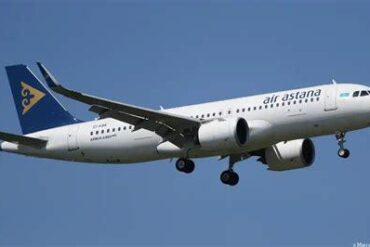
Air Astana, Kazakhstan’s flagship carrier, has taken a decisive leap into the future of commercial aviation with the signing of a Memorandum of Understanding (MoU) to acquire up to 50 Airbus A320neo family aircraft, marking the largest fleet expansion in the airline’s history. The agreement comprises 25 firm orders and 25 additional purchase options, with deliveries commencing in 2031, underscoring the airline’s long-term commitment to growth, sustainability, and network enhancement.
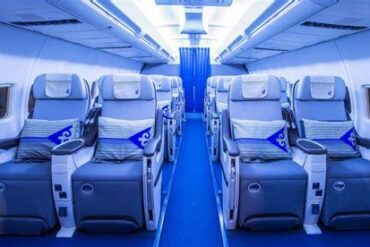
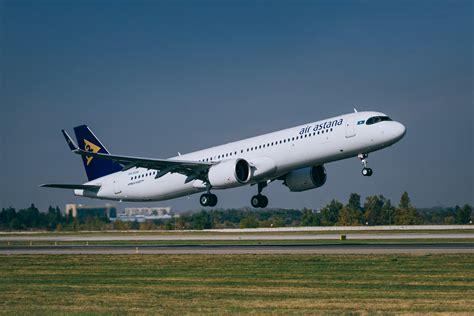
The strategic move is set to profoundly reshape Air Astana’s operational landscape, particularly as it strengthens its position in Central Asia’s competitive aviation sector. The order will primarily serve two critical purposes: replacing aging aircraft with newer, fuel-efficient models and expanding service offerings on medium- to long-haul routes connecting Asia and Europe. A significant portion of the new fleet is expected to be the Airbus A321LR, an aircraft known for its extended range, low operating costs, and passenger comfort.
Air Astana CEO Peter Foster emphasized the forward-looking vision driving this deal, stating, “Air Astana’s large order for a new fleet of Airbus A320neo family aircraft reflects a commitment to maintaining its reputation for operational efficiency and service excellence in the long term.” This sentiment highlights the airline’s ambition to elevate its standards while remaining competitive in a rapidly evolving market.
Strategic Shift and Regional Leadership Ambitions
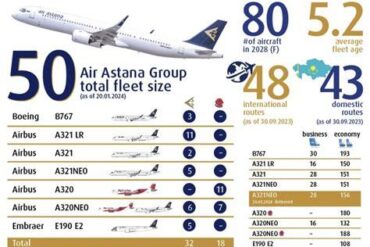
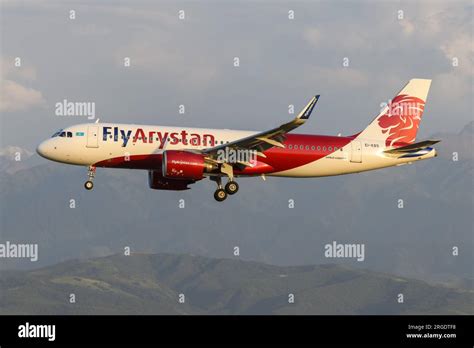
The timing of this order aligns with broader fleet modernization trends across Central Asia, where carriers are aggressively repositioning themselves through fleet renewal and expansion. Currently, Air Astana operates a robust fleet of 62 aircraft, the majority of which—59 units—belong to the A320 family. This includes both mainline and FlyArystan, the airline’s low-cost subsidiary, which will also benefit from the upcoming deliveries. FlyArystan plays a pivotal role in expanding market accessibility and catering to price-sensitive passengers across the region.
The order’s long-term horizon—starting in 2031—also signals Air Astana’s confidence in sustained regional growth, as well as its careful, strategic approach to capital investment and fleet scalability. As the aviation industry globally continues its rebound from pandemic-related disruptions, this measured planning offers the flexibility to adapt to dynamic demand scenarios.
Focus on Airbus A321LR: A Workhorse for the Future
The A321LR (Long Range) model is a standout in the order and is well-suited to Air Astana’s evolving route strategy. Offering a range of up to 4,000 nautical miles, it provides the versatility to serve long-haul, narrow-body routes at a fraction of the cost of widebody operations. With this aircraft, Air Astana can explore new route possibilities into deeper parts of Western Europe, East Asia, and even North Africa, without compromising efficiency or passenger experience.
This acquisition also brings environmental advantages. The A320neo family, powered by new-generation engines and sharklet wingtips, delivers a 15–20% reduction in fuel burn and CO₂ emissions compared to previous generation aircraft—advancing the airline’s push for sustainable operations.
Complementing the Long-Haul Vision: The Dreamliner Connection
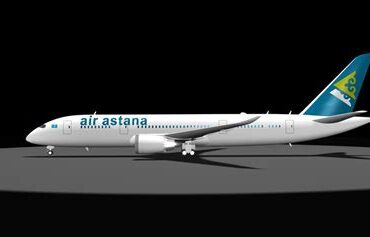
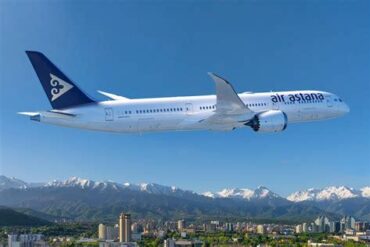
Parallel to its narrow-body ambitions, Air Astana is also preparing for a widebody transformation. The carrier will begin receiving Boeing 787-9 Dreamliners starting in 2026, phasing out its aging Boeing 767-300 aircraft. This shift towards newer twin-aisle jets positions the airline to strengthen its intercontinental presence, especially in high-yield markets where comfort, capacity, and fuel economy are paramount.
Air Astana’s Dreamliner program includes both direct purchases and leases, totaling up to 18 aircraft. With the addition of the A321LR and 787-9, the airline will possess one of the most modern mixed fleets in the region.
Long-Term Vision: Operational Excellence and Market Growth
This ambitious order reinforces Air Astana’s commitment to being not just a regional leader, but a global contender. By investing in fleet efficiency, extended range capability, and enhanced passenger experience, the airline is positioning itself as a benchmark for quality and reliability in Eurasia.
While some carriers may hesitate in the face of uncertain global markets, Air Astana’s bold step sends a clear message: it is preparing to lead, not follow, in the next era of commercial aviation. With a dual-pronged fleet strategy targeting both low-cost and premium segments, the airline is future-proofing its operations against both economic fluctuations and shifting passenger expectations.
The MoU with Airbus not only secures Air Astana’s access to next-generation aircraft but also solidifies a long-term partnership between Europe’s leading aircraft manufacturer and one of Central Asia’s most ambitious airlines. The skies over Eurasia are poised to become significantly more competitive—and cleaner—as Air Astana’s fleet transformation takes flight.