The late 1990s in European aviation was a period of dynamic shifts, with established flag carriers facing new competition and niche markets offering opportunities for agile, specialized operators. It was against this backdrop that Champagne Airlines emerged in 1998, taking its name from the globally renowned region of its primary base: Reims, France. This carrier, though ultimately short-lived, aimed to carve out a distinct identity by offering a blend of air-taxi services, executive charters, and select scheduled routes, promising a personalized and efficient travel experience. Its story, culminating in bankruptcy in late 2005, is a poignant reminder of the fierce challenges and volatile nature inherent in the regional airline industry, particularly for smaller, independent players.
From its inception, Champagne Airlines positioned itself to serve a unique confluence of business and leisure demands. Based at Reims Airport (RHE), also known as Reims – Champagne Airport, the airline was strategically located in the heart of a region synonymous with luxury, international trade, and significant commercial activity. The choice of Reims was not merely symbolic; it offered access to a clientele that might value the convenience and exclusivity of private air travel, as well as providing a potential hub for connecting regional business centers. The airline’s operational ambitions were further supported by establishing secondary hubs at Le Havre Octeville Airport (LEH) on the Normandy coast, a key port city, and the prestigious Paris – Le Bourget Airport (LBG), Europe’s premier business aviation hub. This network hinted at a strategy focused on connecting industrial and commercial zones, catering to time-sensitive business travel, and perhaps tapping into the high-end tourism associated with both the Champagne region and the allure of Paris.
The early years of Champagne Airlines, while not extensively documented in public records, would have been characterized by the immense efforts required to establish an airline from the ground up. This included obtaining an Air Operator’s Certificate (AOC), securing aircraft, recruiting and training flight and ground crews, establishing maintenance protocols, and developing a customer base. The airline’s ICAO code, CPH, and its call sign, CHAMPAGNE, were its identifiers in the skies, carrying the promise of its regional identity across its operational network. The vision was clear: to provide flexible and responsive air transport solutions that larger, less nimble carriers might overlook.
Crafting a Niche: Air-Taxi, Executive, and Scheduled Services
Champagne Airlines’ operational model was multifaceted, designed to maximize aircraft utilization and cater to diverse client needs. The air-taxi services formed a core component, offering on-demand flights for individuals or small groups. This type of service is prized for its flexibility, allowing passengers to set their own schedules and travel to smaller airfields often inaccessible to larger commercial jets. For businesses in the Champagne region or those needing swift access to Le Havre’s port facilities or the financial heart of Paris, such a service would have been invaluable, saving precious time and offering a level of privacy and convenience unmatched by scheduled alternatives. The emphasis would have been on rapid response and personalized itineraries, turning the aircraft into a private tool for efficient travel.

Complementing the air-taxi operations were the executive services. This suggests a higher tier of charter, likely utilizing aircraft such as their Cessna Citation II, tailored for corporate clients and high-net-worth individuals. Executive charters typically involve enhanced onboard amenities, dedicated ground handling, and a focus on seamless, discreet travel. For Champagne Airlines, this service would have aligned perfectly with the prestigious image of its namesake region and the sophisticated demands of clients frequenting hubs like Paris – Le Bourget. The ability to offer such tailored experiences would have been a key differentiator in a competitive market, appealing to those who valued privacy, speed, and a bespoke travel environment. This segment often demands meticulous attention to detail, from inflight catering preferences to ground transportation arrangements, creating a holistic luxury travel solution.
Beyond the charter domain, Champagne Airlines also ventured into scheduled services. While the reference material points to the Le Havre to Toulouse route as its only scheduled operation by its later stages, it’s plausible the airline experimented with or planned other regional connections earlier in its existence. Scheduled services require a different operational rhythm, involving fixed timetables, ticket sales infrastructure, and consistent service delivery. For a small airline, maintaining scheduled routes is a significant undertaking, requiring careful route analysis to ensure profitability and consistent passenger loads. The choice of Le Havre to Toulouse linked a major port and industrial center in the north with a key aerospace and technology hub in the south of France, suggesting a focus on business traffic. This route would have provided a direct connection, bypassing the need to transit through larger, more congested hubs like Paris Charles de Gaulle for passengers traveling between these two economically important cities.
The Champagne Airlines Fleet: Tools for a Diverse Mission
The aircraft chosen by Champagne Airlines were reflective of its diverse operational strategy, balancing passenger comfort, range, and operational economics suitable for regional and charter flights. The fleet, as reported in July 2005, comprised a mix of turboprop and jet aircraft, each suited to particular roles within the airline’s service portfolio.
Dominating the turboprop segment were three Fairchild Metro III aircraft, registered as FGTRB, FGPSN, and FGJPN. The Fairchild Metro, often dubbed the “flying pencil” due to its long, narrow fuselage, is a 19-seat twin-turboprop airliner renowned for its ruggedness and efficiency on short-haul routes. Its ability to operate from shorter runways made it ideal for accessing smaller regional airports. For Champagne Airlines, the Metro III would have been the workhorse for its scheduled services, like the Le Havre-Toulouse route, and potentially for larger group charters or air-taxi requirements. These aircraft offered a practical solution for connecting regional centers, providing a balance between passenger capacity and operational costs. Their relatively simple systems and proven reliability would have been attractive to a smaller carrier managing maintenance and operational uptime.

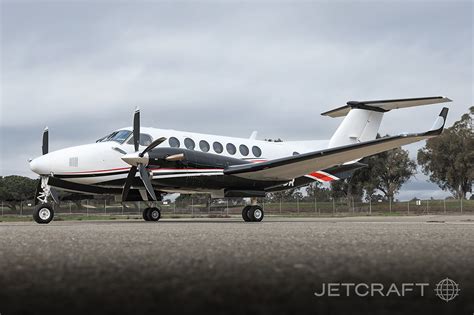
Also in the turboprop category were two Beechcraft King Air aircraft, specifically FGIML and FBXON. The King Air family is legendary in general and business aviation, celebrated for its versatility, reliability, and performance. These pressurized twin-turboprop aircraft typically seat between 6 to 10 passengers, depending on the specific model and configuration. For Champagne Airlines, the King Airs would have been perfectly suited for both air-taxi work and certain executive charter missions. Their ability to access even smaller airfields than the Metro III, coupled with a comfortable cabin environment and good range, made them highly flexible assets. They could efficiently serve routes not viable for larger aircraft, providing rapid transport for business teams or private individuals. The King Air’s reputation for solid performance and relatively lower operating costs compared to jets would have made it an indispensable part of the fleet, bridging the gap between light charter and scheduled regional operations.
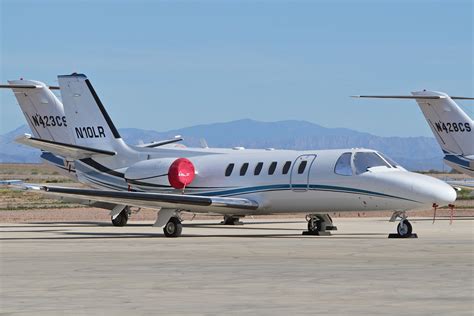
For the premium end of its executive services, Champagne Airlines operated a Cessna Citation II (FHACA). The Citation II is a light twinjet, known for its straightforward operation and ability to provide jet speed and comfort over regional distances. Typically configured for 7-8 passengers, it offered a significant step up in speed and perceived prestige compared to turboprops. This aircraft would have been the flagship for high-value executive charters, whisking clients between cities like Reims, Paris, Le Havre, and potentially international destinations within Europe. Its presence in the fleet underscored Champagne Airlines’ commitment to serving the demanding corporate travel market, offering a faster alternative for time-critical journeys. The Citation II’s ability to operate from relatively short runways, similar to its turboprop stablemates, also maintained a degree of operational flexibility crucial for accessing a wide range of airports convenient for clients.
Heli-Champagne: Expanding the Horizons Vertically
An interesting facet of the Champagne Airlines operation was its sister company, Heli-Champagne. This entity specialized in helicopter transport services, adding another dimension to the group’s offerings. While details on Heli-Champagne’s specific fleet or operational scope are scarce in the provided reference, the existence of such a company suggests a strategy to provide comprehensive air transport solutions, particularly appealing to clients in the Champagne region. Helicopters offer unparalleled point-to-point travel flexibility, capable of accessing remote locations, vineyards, private estates, or city-center helipads where fixed-wing aircraft cannot operate. For the high-net-worth individuals, vineyard owners, or executives targeted by Champagne Airlines, helicopter services could provide seamless connections from airports to final destinations, or offer bespoke aerial tours of the picturesque Champagne countryside. This synergy between fixed-wing and rotary-wing operations could have created a unique selling proposition, offering a truly integrated travel service under a single brand umbrella, enhancing the convenience and exclusivity for its discerning clientele.

Navigating Turbulence: Financial Distress and Operational Cutbacks
Despite its strategic positioning and diverse service offerings, Champagne Airlines began to encounter severe financial headwinds as it moved into the mid-2000s. By July 2005, the situation had become critical, with reports clearly indicating that the company was burdened by debt and suffering from a serious shortage of cash. For any airline, but especially for smaller regional carriers with tighter margins and less financial cushioning, cash flow is king. A shortage of liquid funds can quickly cripple operations, impacting everything from fuel payments and maintenance schedules to salaries and airport fees. The specific causes of this financial distress are not detailed, but common factors afflicting regional airlines include intense competition (from larger airlines, low-cost carriers, and even high-speed rail), fluctuating fuel prices, high maintenance costs for an aging or diverse fleet, regulatory burdens, and economic downturns that suppress demand for business and leisure travel.
The pressure mounted, and by October 2005, Champagne Airlines was forced to make a significant operational retreat. The airline gave up its only scheduled route between Le Havre and Toulouse. The cessation of this key route was a clear public signal of the deepening crisis. Scheduled services, while potentially providing consistent revenue streams, also come with fixed costs and the pressure to maintain service levels regardless of daily passenger numbers. The inability to sustain this connection suggests that either passenger loads were insufficient to cover costs, or the airline simply lacked the working capital to continue funding its operation. This move would have further strained its finances by cutting off a regular source of income and potentially damaging its reputation among regular business travelers who relied on the service.
The Final Chapter: Bankruptcy and Revocation of License
The downward spiral proved irreversible. On 29 November 2005, the Direction Générale de l’Aviation Civile (DGAC), the French civil aviation authority, took the decisive step of withdrawing authorization for Champagne Airlines to operate air services. This action followed the airline’s declaration of bankruptcy. The DGAC’s primary responsibility is to ensure the safety and financial fitness of air operators. The withdrawal of an AOC is typically a final measure, taken when an airline is deemed no longer capable of meeting its operational or financial obligations, thereby posing a potential risk to public safety or failing to meet regulatory standards. For the employees, clients, and partners of Champagne Airlines, this announcement marked the definitive end of its seven-year journey in the French skies.

The demise of Champagne Airlines, while specific to its own circumstances, reflects broader trends and challenges within the European regional aviation sector. Small airlines often struggle to compete with the economies of scale enjoyed by larger carriers. The capital-intensive nature of the airline business, coupled with its vulnerability to external economic shocks, makes it a precarious industry. Champagne Airlines, despite its appealing brand name and seemingly sound strategy of diverse services, could not overcome these inherent difficulties. Its ambition to serve the niche markets of the Champagne region and key French business centers was commendable, but ultimately, the financial realities of modern aviation proved too formidable.
Legacy and Reflections on a Regional Dream
Champagne Airlines joined a long list of defunct airlines of France, a testament to the dynamic and often harsh competitive landscape of the country’s aviation history. Its story is a case study in the aspirations and pitfalls of regional airline operations. While it existed for a relatively brief period, from 1998 to 2005, it undoubtedly played a role in the local economies it served, providing connectivity and specialized air transport options. The airline’s focus on Reims, Le Havre, and Paris – Le Bourget highlighted an understanding of key economic nexuses within France. The combination of air-taxi, executive, and scheduled services, supported by a varied fleet of Fairchild Metros, Beechcraft King Airs, and a Cessna Citation, demonstrated an attempt to build a resilient and adaptable business model.
The failure to sustain this model underscores the intense pressures on smaller aviation enterprises. Factors such as fleet maintenance for diverse aircraft types, the cost of highly skilled pilots and crew, airport access fees, navigation charges, and the ever-present specter of fuel price volatility can quickly erode profitability. Furthermore, for scheduled routes, competition from established national carriers like Air France, or the growing influence of high-speed rail (TGV) in France, would have presented significant challenges in attracting and retaining passengers.
In retrospect, Champagne Airlines’ endeavor was a bold one. It sought to leverage a prestigious regional identity and cater to a mix of clientele with specific travel needs. The integration of a helicopter service through Heli-Champagne further indicated an innovative approach to providing comprehensive transport solutions. However, the airline’s narrative serves as a crucial reminder that a strong brand and a clever niche are not always sufficient to guarantee longevity in the unforgiving skies of the commercial aviation industry. The legacy of Champagne Airlines is thus one of spirited ambition and a cautionary tale of the fine margins that dictate success or failure in the world of regional air transport. Its brief flight through French aviation history adds another chapter to the complex story of how businesses strive to connect people and places, often against considerable odds.