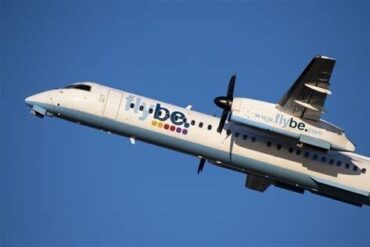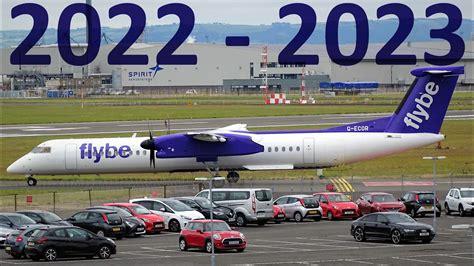
Flybe, once a major name in UK regional aviation, made a brief and turbulent return in 2022 before collapsing once again in early 2023. This iteration of the airline attempted to resurrect the legacy of the original Flybe (1979–2020), but operational missteps, market shifts, and unfortunate timing led to a second downfall. In its short-lived operation, Flybe (2022–2023) became a case study in the complexities of airline relaunches in a post-pandemic environment.
Origins and Legacy of the Original Flybe
The original Flybe was born in 1979 as Jersey European Airways, a product of the merger between Intra Airways and Express Air Services. By 2000, it was rebranded as British European, and just two years later, it adopted the name Flybe. The airline cemented its reputation in 2006 with the acquisition of BA Connect, positioning itself as Europe’s largest regional carrier.
However, like many carriers in the fiercely competitive regional market, Flybe struggled with profitability and rising costs. In March 2020, amid the early turbulence of the COVID-19 pandemic, Flybe entered administration and ceased all operations, marking the end of an era.
The 2022 Relaunch: A Second Attempt
In October 2020, Cyrus Capital Partners—an American hedge fund and former shareholder in the original Flybe—moved to resurrect the brand. Through an affiliated company called Thyme Opco, they acquired Flybe’s name and initiated a plan to restore domestic UK connectivity.
By April 2021, the UK Civil Aviation Authority (CAA) granted the new entity full operating and route licences. Simultaneously, Thyme Opco secured 86 landing slots at Heathrow Airport, intending to operate routes to key cities like Edinburgh and Aberdeen. The corporate structure was reconfigured: the defunct Flybe became FBE Realisations 2021 Limited, and Thyme Opco adopted the Flybe Limited branding.
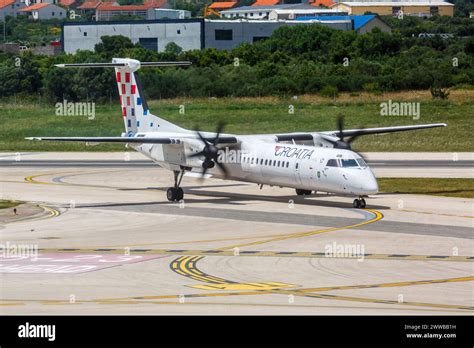
The appointment of David Pflieger as CEO in October 2021 marked a key turning point. Shortly after, a Q400 aircraft in new livery was spotted, signaling the operational readiness of the new Flybe. The airline chose Birmingham Airport as its primary base and later added Belfast City Airport as a secondary hub. The first flight launched on 13 April 2022, connecting Birmingham and Belfast.
Ambitions in the Skies
Flybe’s relaunch strategy aimed high. The company planned 530 weekly flights across 23 routes, using a projected fleet of up to 32 de Havilland Dash 8 Q400s. The aircraft were configured with 78 all-economy seats, offering regional travel with modest amenities such as complimentary drinks and snacks. Their slogan, “Smile and go the extra mile,” highlighted an intent to bring customer service back into regional flying.
Destinations spanned across the UK and parts of Europe, including:
- UK Cities: Birmingham, Belfast, East Midlands, Edinburgh, Glasgow, Leeds, London Heathrow, Manchester, Newcastle, Newquay, Southampton
- Europe: Amsterdam, Avignon, Brest, Toulon, Geneva
Despite a promising route map and revived branding, challenges quickly mounted.
Operational Struggles and Route Disruptions
From the outset, Flybe faced significant operational bottlenecks, particularly with late aircraft deliveries. Within 12 weeks of launch, the airline cancelled three routes and cut back frequencies on five others. The management promised these routes would be restored in the winter season, but many never returned.
Several planned services, including those from Aberdeen to Belfast and Inverness to Birmingham, never took off. In September 2022, Flybe introduced routes to the Isle of Man from Belfast and London, but these were abruptly cancelled just two days before their launch, giving the Isle of Man Airport under 30 minutes’ notice.
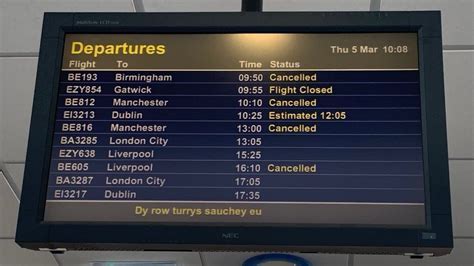
Oddly, similar routes were later reintroduced from Newcastle, raising questions about the airline’s strategic planning. Flybe cited aircraft shortages, yet its ability to shift the same routes to different bases suggested deeper internal coordination issues.
The Heathrow slot dilemma further complicated operations. These slots, originally allocated as part of regulatory conditions from British Airways’ 2012 acquisition of BMI, required active use. To avoid forfeiting them, Flybe was forced to operate underperforming or cancelled routes at financial loss.
In October 2022, the airline terminated its Leeds–London service, citing stiff competition from high-speed rail. Services to Southampton were suspended, with vague promises of a February 2023 return. Despite the delivery of two more Q400 aircraft, capacity issues remained unresolved.
The Collapse: Administration and Grounding
On 28 January 2023, Flybe officially entered administration and ceased all operations. The sudden shutdown affected approximately 75,000 passengers, including 2,500 scheduled to fly on the very day of the collapse. Of its 321 employees, 277 were laid off immediately.
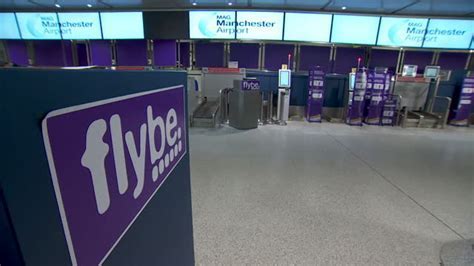
Rival carriers like easyJet and Ryanair extended job offers to Flybe’s displaced staff, while Aer Lingus Regional moved quickly to absorb many of the abandoned Belfast routes.
Administrators scrambled to salvage value, applying for a temporary operating licence valid for up to 12 months. Talks were held with Lufthansa and Air France-KLM over the sale of Flybe’s assets, particularly the highly valuable Heathrow and Schiphol slots. However, due to regulatory constraints, these could not be sold individually and would only transfer as part of a full business acquisition. No agreement was reached.
By 15 February 2023, the administrators announced the complete winding down of the airline. The aircraft were returned to lessors, and Heathrow slots reverted to British Airways, while Schiphol slots returned to the Dutch slot coordination authority. Financial disclosures later revealed that Flybe had been losing £4 to £5 million per month, with an anticipated final deficit of £82 million.
Flybe’s Corporate Structure and Ownership
Flybe’s corporate headquarters was located in Diamond House, Birmingham Airport, within the borough of Solihull. The airline was operated under Flybe Limited, formerly Thyme Opco, and owned by Thyme Investco Limited. The majority shareholder was DLP Holdings SARL, affiliated with Cyrus Capital Partners—the same hedge fund involved in the 2019 Flybe acquisition.
This continuity in ownership raised questions about the strategic decisions and whether the relaunch learned adequately from the challenges faced by the original Flybe.
Fleet and Future That Never Was
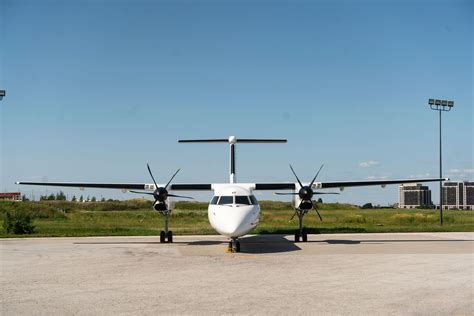
At the time of collapse, Flybe operated a modest fleet of nine Dash 8 Q400 aircraft. These turboprops were ideal for short-haul regional routes and economical compared to jet aircraft. Flybe had ambitious plans to expand to 32 aircraft, with Nordic Aviation Capital expected to lease 12, and Aergo Capital five more.
However, slow deliveries and an overreliance on a single aircraft type compounded operational vulnerabilities. The delay in ramping up capacity prevented the airline from achieving route consistency and frequency targets, eroding customer trust and straining financials.
Conclusion: Lessons from a Second Demise
Flybe’s second failure underscores the volatility of the regional airline sector, especially in a post-pandemic recovery phase. While the brand had strong recognition and a blueprint for success, execution fell short. Late aircraft, unpredictable route planning, poor communication, and regulatory hurdles ultimately led to a swift and damaging collapse.
The 2022–2023 Flybe serves as a poignant reminder: reviving a fallen airline requires more than nostalgia and investment. It demands agile operations, decisive leadership, and a deep understanding of modern market dynamics. Without these elements, even the most promising comeback story can end in sudden silence on the runway.